Parenting

How to Handle Challenging Behaviors

Tantrum-boy-568x296.jpg

This post goes out to the frustrated parents.  (So, likely all of us at some point.)

Challenging behavior is an unfortunate part of growing up and parenting.  We know that it’s normal, we know our children need to experience it to grow and learn, but that does not make it any easier in the moment.  If you are anything like us, you might pause from time to time and ask yourself, “What would Montessori do?”

There are no perfect answers, and Dr. Montessori would have recognized that what works for one child will not necessarily work for the next.  We can, however, rely on our knowledge of human development and typical child behavior to help guide us.  We hope this post will provide you with some helpful tips!

As Montessorians, we tend to follow a hierarchy when we address issues with children.  We look at:

  1. The environment

  2. Ourselves

  3. The child 

The Environment

Environment affects us all, and as adults we can carefully craft an environment that suits the needs of our children.  This is why Montessori guides meticulously create classrooms with a specific order and flow to them, and why they are constantly observing and analyzing what should remain the same and what should change.

We feel confident in saying that most of the time, a change in the environment can change the behavior.  Some examples:

  • Does your toddler enjoy dumping the contents of whatever they can find?  While this is a very normal stage for them to go through, it can cause a lot of extra work for us as adults.  Limit their options!  Keep dumpable baskets and boxes up higher where your child cannot reach them and rotate them on a regular basis to keep their interest going.

  • Have you noticed your three-year-old spilling their snack and frequently leaving crumbs behind?  Leave a small dustpan and brush in a space where the child can access it.  You will likely need to show them how to use it many times, but they will get it!  When they do, the joy they will feel from sweeping will be adorable.

  • Are mornings with your seven-year-old rushed and chaotic?  Make a list and post it where they will see it (perhaps the bathroom mirror).  What do you expect the child to do independently in the morning?  The list may contain items like: brush teeth, get dressed, brush hair, eat breakfast, and so on.  Make sure everything they need to get ready is in one centralized space.  Have the child prepare as much as they can the night before to ease the pressure when they are tired.  They can pack their own lunch and lay out their own clothes.

  • Is your teenager having a hard time focusing on their homework?  Create a distraction-free zone.  Have a clutter-free desk in a quiet area of the house.  Make sure devices like cell phones are left to charge in a completely different area of the house.

Ourselves

This is perhaps the hardest part for many of us, but sometimes children’s undesirable behavior is tangled up in our own actions and/or perceptions.  Some questions you may want to ask yourself and reflect on when you feel frustrated include:

  • Is this behavior truly a problem?

  • Are my expectations appropriate for the child’s age and developmental stage?

  • How might my reactions be contributing to the behavior?

  • Am I well rested/fed/de-stressed/fully able to work with my child without letting my own problems be a factor?  

  • Are my reactions based on my own experiences as a child?

We realize that these can be some pretty deep questions.  Our jobs as parents are hard enough and there is no need to be judgmental, especially of ourselves, but reflection can be helpful.  We also know that it’s not always possible to deal with a child’s behavior while being completely stress-free, well-rested, etc., but it can be helpful to recognize when we might be playing a role in what is going on.

The Child

Sometimes there really is something going on within the child that needs to be addressed, and it can be a simpler explanation than we might expect!  Some possibilities to consider:

  • Is the child getting enough sleep?

  • Is the child hungry?

  • Is the child getting sick (coming down with a cold or the like)?

  • Is the child entering a growth spurt or new developmental phase?

  • Has there been a recent change in the child’s routine?

  • Are there changes occurring in the family?

Sometimes a child might be upset about one area of their life and behaviors manifest in a completely different way.  For example, an eight year old may be facing friendship challenges at school.  Instead of talking about the problem, they may unintentionally take their frustration out on the parents.  This is a common occurrence when a child has not fully understood why they are upset, are unable to articulate the issue, and yet feel safe to be themselves fully at home.  Of course we must set expectations that our children are to be kind, but having this insight may help get to the root of many issues.

Regularly talking to our children, especially as they get older, can be very helpful in helping them navigate through the common (yet sometimes painful) experiences of growing up.  Many families find that bedtime tends to be when their children speak freely about what’s bothering them.  Even as your child gets older, set aside time in the evening to be together.  This can be time together reading, cuddling, or talking about the day.  

Final thoughts

Two last bits of advice that are perhaps the most important: do not expect perfection and find yourself a supportive group of parents to talk to.

We know our children will not always be perfect, and neither will we.  Children will push boundaries and make mistakes - lots of them - and as parents we won’t always know the best way to handle things.  We will learn together.

Having a group of parents that you can vent to and celebrate with is so helpful.  Whether you meet up for coffee, chat on the phone, trade tips on Facebook, or sit on the sidelines together at soccer games, remember to reach out to others.  We are all in this together.
Logical and Natural Consequences

table scrubbing.JPG

Raising children is a beautiful, surprising, heart-warming, and challenging adventure.  But what’s the best way to navigate through the challenging parts?  As humans, we all make mistakes, and are constantly learning throughout our lives.  How might we best guide our children through their learning in a manner that is both gentle and effective?  It turns out we need a variety of strategies, but some work better than others.  In this blog post we highlight some of the most effective ways of helping your children learn from their mistakes.

Natural Consequences

Natural consequences are whatever happens naturally as a result of a person’s action or inaction.  Natural consequences are not determined by an adult, they simply occur.  For example, if your child decides not to wear a coat outside in the winter, the natural consequence is that they will feel cold.  If they choose not to eat, they will feel hungry.  No negative parental intervention is necessary, and in fact, should not be applied.  When your child experiences a natural consequence, chances are the experience itself will teach them what they need to learn.  We need not remind them that we had suggested the coat or breakfast.

To summarize, natural consequences happen all on their own.  There is no adult control in these situations, and the consequence itself is not planned, but rather a natural outcome of interacting with the physical world.

Logical Consequences

Logical consequences are implemented by an adult (typically a parent or teacher), and they are directly related to the action of the child.  For example, if your child spills their snack on the floor, you might remind them where the dustpan is and ask them to clean it up.  

What’s really important is to remember the intention and structure of a logical consequence: it is not a punishment, but rather a gentle learning opportunity that is directly connected to the behavior.  The goal is not to have the child repent for having done something wrong, but to give them an opportunity to recognize an error that they may avoid in the future.  We must be careful and avoid shaming the child, and to present the situation in such a way that the child is not defined by the behavior.  The behavior is simply something the child did that we would like to teach them not to do.

Do These Consequences Really Work?

Yes...most of the time.

There are times we should absolutely step in and not allow natural consequences to occur.  These instances include: 

  • When your child is in danger

  • When someone else is in danger

  • When a natural consequence encourages the child to repeat the behavior or if they don’t seem to mind the consequence (it’s clear the natural consequence is not having the desired effect).  For example, sneaking lots of candy might be fun!  The natural health consequences are not immediate and therefore might not make a big impression right away.

Natural and logical consequences are empowering for children.  They leave the child in control of the situation and provide valuable learning opportunities.

A How-to Guide

Perhaps the most important idea to remember is that natural and logical consequences are not punishments, but rather an opportunity for the child to learn more positive behaviors.  When observing a natural consequence that might help the child learn from an experience, resist the urge to step in and help your child.  The natural consequence may not be pleasant, but if it’s appropriate and not hurting them, it’s okay to let them learn from it.    

When you are trying to determine an appropriate logical consequence, it’s important to keep it age/developmentally appropriate.  If your 2 year old takes out all their toys and makes a big mess in their room, they will likely need your help as they work to clean up.  A 7 year old, however, is probably capable of doing the job themselves.  

Make sure that any logical consequence is directly related to the behavior you are trying to correct.  Some examples:


Behavior

Your 5 year old was dancing while eating and spilled yogurt all over the floor.

Logical Consequence

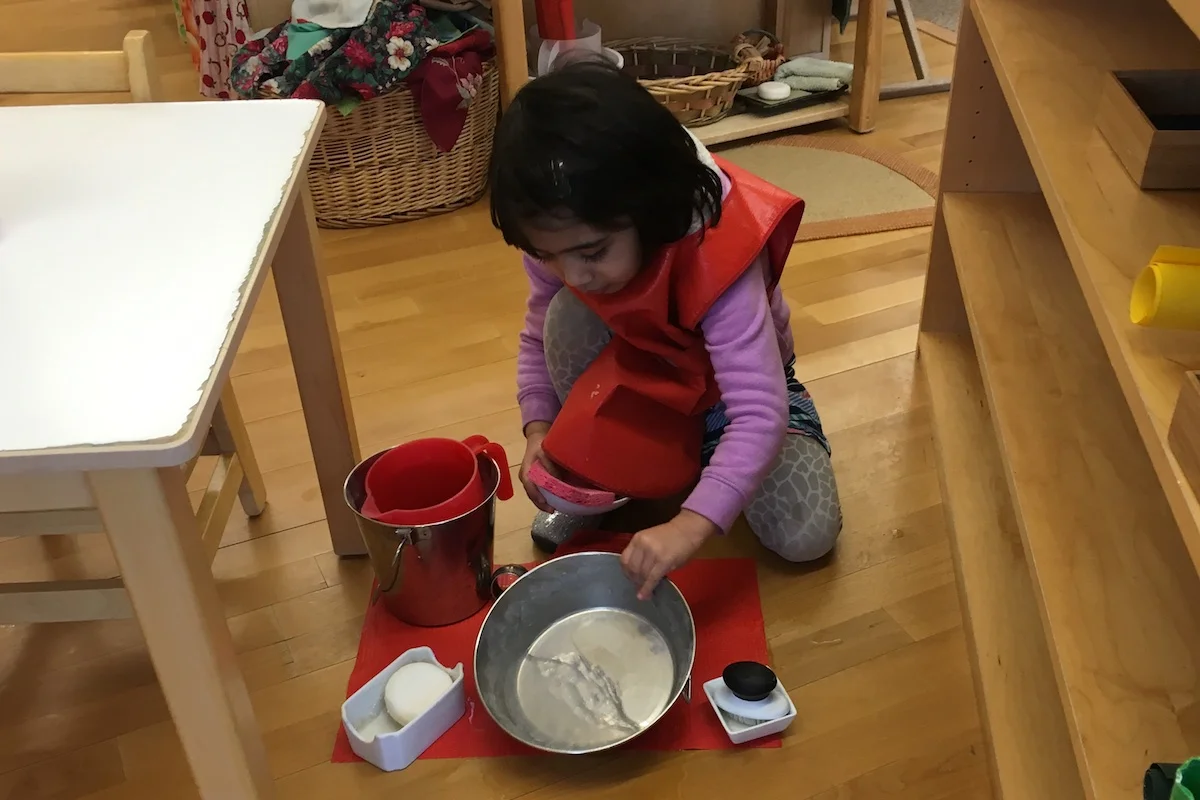
Walk them through the process of cleaning up.  Bring them to retrieve a bucket and sponge, help them fill it with soapy water, and demonstrate 1 or 2 wipes before letting them do the rest.


Your 6 year old was asked to clean up their blocks before bedtime but did not do so.  

Let your child know you will be putting the blocks in a box and they may not use them for a certain amount of time.  You might put the box in your closet for a few days.


Your 8 year old was playing baseball in the front yard where you had asked them not to and they broke a neighbor’s window. 

Help your child find ways to earn money so that they may help replace the window.


Your 12 year old chose to play video games instead of doing their homework.  They don’t seem phased by the natural consequence of having their teacher notice.

Let your child know they may play video games when their homework is finished, but not before.


Your newly-driving 17 year old did not return home by the agreed-upon time.

Make sure your child knows this consequence ahead of time, but perhaps they will not be allowed to use the car for a specific amount of time.


A few final points to keep in mind: natural and logical consequences often take time and patience.  While they are typically the best course of action for building resilient children in the long run, only rely on them when you are in a position to fully commit.  If you give in halfway through, the teaching opportunity is lost.  It can also take time to come up with appropriate logical consequences, and with the realities of life, that’s not always a possibility.  Let’s imagine that your 5 year old spilled the yogurt as you were rushing out the door to get to an important meeting.  You may want to talk to your child as you wipe it up quickly and teach them how to mop later that afternoon.  

Good luck!  As always, please let us know if you have any questions or comments.

Mindfulness for Children

008-IMG_4317.jpg

You may be very familiar with mindfulness, or you may have a vague notion of a buzz word that has something to do with meditation.  Regardless of your experience, we are here to detail the ways in which mindfulness can be beneficial to your children.  Being more mindful helps people reap a multitude of benefits, anyone can participate, and learning alongside your child can be fun!

What, exactly, is it?

Merriam Webster defines mindfulness as:

  1. the quality or state of being mindful

  2. the practice of maintaining a nonjudgemental state of heightened or complete awareness of one’s thoughts, emotions, or experiences on a moment-to-moment basis

also: such a state of awareness

Sometimes it can be helpful to define mindfulness by stating what it is not.  Mindfulness is not about clearing the mind.  It is not about silence or ending conflict.  Mindfulness is definitely not a quick fix for anything.  Mindfulness provides us with a way of looking deeper at our lives.  We learn to observe events, sensations, and feelings while acknowledging them and accepting them for what they are.  

In today’s society it can be easy for everyone - children included - to get caught up in the daily rush.  Mindfulness allows us to slow down and be present.  Many who are new to the practice may wonder how they might find the time to squeeze in one more thing.  Once you form daily habits of mindfulness you will see your schedule open up, and you may realize your life feels a lot more free and flexible.

Setting realistic expectations

It’s important to remember that mindfulness is nonjudgemental.  Although it does tend to help people in many ways, it wouldn’t be fair to try it with the intention of making a child become, say, more attentive.  Improved attention and focus are a likely outcome, but cannot be expected.  Mindfulness is different for everyone, and acceptance of oneself and each other is a healthier and more realistic goal.

On a more basic level, you may be excited to try these exercises and ideas, while your child may not be.  We find that many kids do love the meditations and games detailed below, but they’re not for everyone and that’s okay.  So, as you give mindfulness a try with your children, keep in mind that they are their own independent people.  Everyone will take away something different from the practice.

The raisin meditation

Mark Williams and Danny Penman have written a great book entitled Mindfulness, an Eight-Week Plan for Finding Peace in a Frantic World.  This book is written for adults, and we highly recommend it as a resource.  It’s full of scientific explanations regarding how behaviors are dictated by brain function and what we can do to create change within our own lives.  As a bonus, it contains a link to meditation audio files.  Although not a book for children, there is a fantastic exercise contained within that kids love: the raisin meditation.

Sit in a quiet space with your child.  Feel free to light a candle (or not) and get comfy.  Ask your child to open their hand, palm facing upwards, and place a single raisin in the middle.  Tell them not to eat it just yet and take another raisin for yourself.  The goal of this exercise is to slow down and pay close attention, seeing if you can notice attributes that are typically overlooked during the business of our everyday lives.  We use all of our senses to zoom and observe this raisin closely.

  • Sight - Look carefully at your raisin.  What do you see?  Allow your eyes to explore the ridges and valleys, to notice color variations, and to find the spot where this dried grape was once attached to a stem.  What words might you use to describe these observations?

  • Sound - With a raisin, this will surely be a little silly, but that’s okay!  Hold the raisin gently to your ear and have a listen anyway.  Children will revel in watching their parents listen to a piece of dried fruit as they do the same, you will all confirm its silence, and have a giggle before moving on to the next step.

  • Smell - With delicate, inward breathes, take in the scent of the raisin.  What do you notice?  What could you compare it to?  Try not to rush this step; take the time to really pay attention.  Find words to describe the scent.

  • Texture - This will be done in two parts.  First, gently feel the exterior of the raisin with your fingertips.  Repeat the process of noticing and describing.  When everyone is ready, place the raisin on your tongue.  Without chewing use your tongue to pay attention to what the raisin feels like in your mouth.  Later, when you do end up swallowing it, notice the sensations as it travels down your throat.

  • Taste - Likely the moment your child has been waiting for, ask them to take their time while chewing and tasting the raisin.  Because you have spent so much time noticing every detail of this tiny piece of fruit, the anticipation may make it seem like the tastiest raisin you have ever eaten!  Is it sweet?  Sour?  Bland?  Intense?

This activity can be repeated with almost anything, and it’s a great idea to do so.  Wait a few days and try the whole process over again with a chocolate chip, slice of cucumber, or whatever else you happen to be eating.  At mealtimes, take a few moments to be intentional about appreciating your food.  Notice what it looks like, smells like, feels like, and chew slowly to discover more about how it tastes.  Most importantly, have fun while doing so!

Looking for more mindfulness games and activities?  Try these ideas:

  • Object box - Find a small collection of very similar items (cards, pennies, pebbles, etc.)  Each player chooses one and has one minute to study their item carefully.  The items are then placed in a box and shaken up.  Players try to find their original item.

  • Creature search - Take a walk along a familiar path or through a park you frequent.  Everyone has to pay attention and find as many living organisms as possible.  It’s amazing how much we overlook even when we spend time in nature!

  • Visual breath games - There are many variations of this.  Try blowing bubbles or using a pinwheel with your child.  Encourage them to take a deep breath in through their nose and feel the air as it leaves their mouth.  They can take tiny breaths or big breaths, slow breaths or quick breaths. 

Meditation resources

These videos will give you examples of some common, basic mindfulness meditations.  We recommend that you use the videos for their audio.  Children should not be watching the screen as they listen so they can focus on all their senses.

Body scan meditation: Direct your awareness to specific parts of your body, noticing sensations (or lack of sensations).

Loving kindness meditation: Take time to love yourself and send loving thoughts to others. 

Observing thought meditation:  This type of meditation is best for children ages 6 and up.  This video explains why it’s helpful, while this one guides children through the practice. 

We hope this post has been interesting and informative.  If you try any of the meditations or ideas with your children, we would love to hear how it goes!  

5 Ways to Help Kids With Anxiety

anxiety.jpeg

Anxiety is a completely normal part of the human experience.  Both adults and children experience anxiety from time to time.  As children grow, they go through so many changes physically, cognitively, and emotionally, it’s understandable that they may feel nervous occasionally.  You will likely notice your child pass through a number of phases in which they display anxious behaviors.

If you feel like your child’s anxiety is more than just a phase it’s important to talk to your pediatrician.  Anxiety can negatively affect people in a myriad of ways, and it’s important for kids with chronic worry to get help that will change those patterns.  

The good news is there are things we can do at home and school to help children deal with their anxiety, both proactively and reactively.

In the Moment

It helps to have some strategies on hand for when a child is experiencing anxiety.  It can be difficult to learn a new skill while our bodies are experiencing nervousness, so try these out with your child while they are calm the first time.

  • Mountain breath - This is a kid version of the well-known 4-7-8 technique.  If you’re not already familiar, Harvard graduate Dr. Andrew Weil developed the simple exercise.  After releasing the air from your lungs, breath in for a count of 4, hold your breath for a count of 7, and release the breath slowly for a count of 8.  This slows your breathing while also allowing your body to absorb more oxygen.  Ideally 4-7-8 should be practiced several times a day and then used as needed.  For the children’s ‘mountain breath’ version, have your child hold up all five fingers on one hand.  Using the index finger of the opposite hand, they will trace up and down each of the five fingers, pretending they are mountains.  Say, “We climb up the first mountain (breath in), stopping at the top to look around at the view (hold breath).  Then we climb down this side (breath out)”.  They continue this with the remaining four fingers.  The count of 4-7-8 is less important for kids than the pattern and practice.  For more information on Dr. Weil’s technique check out this video:

  • Grounding exercise - The amygdala is a small, almond-shaped cluster located deep inside the brain.  It’s one of the most primitive parts of our brains and serves many functions.  The amygdala is connected to fear conditioning, and is connected to why we react in fearful ways to certain situations and stimuli.  Think of it as your fight or flight center.  

    When we are in the midst of panic, our brains lose the ability to behave according to the reality of a current situation.  Our bodies feel like there is great danger and our amygdala is feeding those false connections.  The good news is there are tools we can teach children to trick that part of their brain and remind themselves that they are safe.

    A grounding exercise uses the senses to remind the brain there isn’t really any immediate danger and that we are safe.  As a quick reference, remember “5,4,3,2,1”.  First, we use our sense of sight.  We look around and locate five things we see and name them, simply.  This can be done aloud or in our heads.  For example, we may say, “Light. Floor. Hand. Paper. Table.”  Next, we identify four things we can feel, and touch them as we name them.  “Hair. Fabric. Wood. Skin.”  We then name three things we can hear. “Breath. Fan. Car.”  The final two steps include identifying two things we smell and one thing we taste.  These steps are not always practical, and it’s okay to skip them.  Again, try to teach this exercise to your child when they are feeling calm so that it’s more accessible to them when they are not.  

    For a video of an extended version of this exercise, watch here:

  • Straw & cotton- This exercise is fun, and likely seems more like a game.  Using a piece of tape (painter’s tape or washi tape works well), create a line about two feet long on a hard floor - carpet won’t work.  Place a cotton ball on one end of the line and using a drinking straw, blow on the cotton ball in an attempt to have it travel the length of the line.  It can be challenging to control one’s breath and keep the cotton on the tape, but it’s a fun and silly exercise.  Doing this distracts the child from anxious thoughts and forces them to control their breath.  If they get really good at it, you can create a tape maze on the floor instead of a simple line.  Have fun with this one!

Creating Routines

Routines help everyone, but especially children, to feel safe and centered.  While flexibility and spontaneity are also important, it’s a good idea to create predictable structures for kids.  Read on for some ideas on how we can support our kids and attempt to prevent anxiety.

  • Morning and evening routines - Waking up is hard.  Especially on these chilly, darker, winter mornings!  Decide on a routine that works for you and your family, then be sure to stick to it.  One sample: get up, use the toilet, get dressed, brush teeth, brush hair, eat breakfast, put shoes on, go to school.  Repeat every day in the same order.  For some children, it helps to keep at least some version of this routine on the weekends.

    Consider the same idea in the evening.  Another sample (but do what works for you!): take a bath, put on pajamas, eat dinner, brush teeth, read two stories, cuddle for five minutes, go to sleep.

  • Preparing ahead - In the evenings, it really helps to get as much done ahead of time for the day ahead.  Much of this responsibility falls to parents, but as children get older they can certainly pitch in.  Some ideas:

    • Making lunches

    • Laying out clothes

    • Keeping bags, jackets, and shoes ready by the door

    • Have healthy breakfasts prepared

    • Leave lots of time - kids often take longer to get things done than we expect.  Instead of rushing them through what needs to be done, wake them up a little earlier or start bedtime sooner than you think you need to so that everything gets done and everyone gets a good night’s sleep.

  • Presetting for changes - Routines are great, but it’s impossible to stick to them all the time.  You may have an early morning meeting, your child may have a doctor’s appointment, or any other number of unpredictable variables may come up.  When this happens it’s unsettling to us as adults, but it can really throw kids off and spark anxiety.  To help ease their concerns, we can preset them ahead of time whenever possible.  The night before a change in routine, take the time to tell your child what will be happening and how it will affect them so they know what to expect.  When something unpredictable happens, take a moment to stop and speak to your child calmly and softly; let them know what’s going on, and what you think will need to be done next.  Including children in conversations about changes is empowering for them, and will likely help them feel calmer about whatever situation they are in.

We hope this post will help you and your family prepare for tough moments of anxiety.  If you try any of these ideas we would love to hear how it goes.  Do you have other tips or tricks?  Let us know!

Montessori and Nature

image1.jpeg

“When children come into contact with nature, they reveal their strength.” - Maria Montessori

We all know spending time outdoors is good for our kids, but what did Maria Montessori have to say about it?  What can we do as parents to support our children’s development in the natural world, and what responsibilities do our schools have in regards to this critical work?

Traditional Methods that Fall Short

What do we think of when we imagine educating our children about nature?  Perhaps a small collection of shells on a windowsill, planting flowers in the spring, or pushing a toddler in a stroller through a park come to mind.  While all of these activities have a place and can be enriching in their own way, they fall short of giving children authentic natural experiences.  As adults, we have developed habits that keep our interactions with the natural world at a distance.  We don’t appreciate being stuck out in the rain, or even the sun for that matter.  We find ways to carefully shelter ourselves away from the elements so that we may be safe and comfortable.  We likely developed this perspective while we were still children ourselves, at the urging of adults who didn’t want us to jump in puddles or ruin our best clothes.  Might we step back and reevaluate our own relationship with the natural world?

A collection of shells is lovely, but a child will have internal context if they have actually visited the seashore and collected the shells themselves.  As adults, we love flowers, but children react more strongly to plants they can interact with: think a vegetable garden or even just a tomato plant in a pot.  Taking our children for a stroll in the park is important but let us give them a bit of freedom so they may move at their own pace and on their own feet.  Let them explore and stop to notice the things we so quickly pass by.

Have you ever had a moment - it might have been somewhere on a lake or at the ocean, in the mountains or in the middle of a desert - when an intense, almost indescribable, feeling settled over you?  You noticed that something deep within yourself felt connected to the earth and everything on it.  You probably felt alive and at peace at the same time.  Some of us are lucky enough to have had many of these moments, others, only a few times.  Children have the ability to feel this so much more than we do.  The world is still so fresh and new to them, and natural experiences can have a lasting impact.  

As Dr. Montessori so eloquently stated, “Only poets and little children can feel the fascination of a tiny rivulet of water flowing over pebbles.”  Even when we make efforts to take our children on a walk in the woods, it’s easy for us as adults to focus on the walk or the destination.  Children are fortunate in that they live in the moment.  They see a caterpillar and it calls to their desire to observe.  A small fragment of a fallen leaf is a tiny window into a world they are still discovering.  Children’s wonder and curiosity has much to teach us, if only we can remember to slow down and follow their lead.

image2.jpeg

A Burgeoning Movement

While many people have always valued a strong connection to nature, it’s likely fair to say that most of us have experienced at least some level of disconnect.  In recent years, however, more and more people seem to be looking for ways to rebuild those connections.  We participate in community supported agriculture, hobby farms, and keep chickens in our backyards.  We vacation in national parks, participate in hiking challenges, and take up kayaking.  

We know that something is missing, and while we don’t always articulate it, we are searching for our way back to nature.  

Could it be that our children have the ability to both inspire and teach us the way?  If we let them slow down and notice the little things - the insects, the toads, the way the sunlight reflects off a shiny rock - maybe we can learn to slow down and notice them, too.  If we start by considering how we would like our children to eat as healthy as possible, maybe it might lead us to visiting farms or growing our own food (with our kids, of course!) 

Practical Ideas

Montessori suggests that it is not the act of going out into a garden that leaves an impression upon a child, but the whole approach of ‘living naturally’.  From Japanese ‘forest bathing’ to Norwegian ‘friluftsliv’, cultures around the world have known the importance of our connection to nature for centuries.  Scientists echo these ideas, reaffirming the notion that spending time outdoors and surrounded by elements of the natural world is good for us.

So what can we do to apply this knowledge?

Montessori classrooms work to apply natural living on a daily basis.  Nature is frequently brought into the classroom in the form of live plants and animals that the children help care for.  Even the materials themselves are made of natural materials; plastic is avoided whenever possible.  Ideally, a classroom has access to the outdoors so that children may come and go as the space calls to them (and as is appropriate). 

As parents, the easiest way to let our children live more natural lives is to lead by example.  We can find ways to enjoy the outdoors on a regular basis, in all seasons.  Explore the parks, trails, nature preserves, and bodies of water near your home.  It can be fun to take up new hobbies together as a family, or to find other like-minded families that you can team up with.  Whether you like adventure, taking it easy, or something in between, there are outdoor activities that will put you back in touch with the world around you.

Already love the outdoors?  Find ways to make what you love accessible to your kids.  Ready to head out for the first time (or the first time in a long time)?  Here’s one great resource to get you started: https://www.alltrails.com  

Enjoy, and let us know about your adventures!

5 Time Savers for Your Morning Routine

timesaver.jpg

The slow, easy pace of summer is rapidly drawing to a close.  Everyone tends to have mixed feelings about going back to school; the prospect of seeing friends, learning, and getting back into the regular routine are all enticing, but the loss of the magic of summer can be tough.  How can we, as parents, make the switch easier on everyone (including ourselves)?  By focusing on making our mornings run smoothly we set a positive tone for the rest of the day.  Check out these 5 great time savers to make the sleepiest time of day just a little bit easier.

1. Meal Plan

Thinking ahead when it comes to meals is one of the most impactful steps you can take to start the day off right.  Think quick and healthy breakfasts, lunches you can make days ahead of time, and ways to make dinner prep simple when everyone gets home after a long day.

Breakfast 

Overnight Oats are a nutritious and simple option.  Using the measurements listed on a container of steel cut oats, bring the water to a boil and cook for just 5 minutes.  Cover, remove from heat, and place the whole pot in the fridge overnight (perhaps with a potholder or trivet underneath).  In the morning everyone can stir in their favorites: berries, apples, bananas, walnuts, honey, cinnamon - the possibilities are endless!  The oatmeal keeps well in the fridge for a few days, so go ahead and make a big batch!

Not-So-Green Smoothies can be prepared several weeks in advance.  Line up your freezer containers on the counter and distribute the following among them in whatever amounts you prefer: spinach, mixed frozen berries (these tend to turn the smoothie purplish), sliced apple, and banana (optional).  In the morning, place the frozen contents in the blender, add some water, and blend until smooth.

Lunch

Making lunches the night before might be one of the most helpful things you can do for your morning routine.  Looking for more ways to simplify?

  • Cut up an assortment of vegetables Sunday night that can be used throughout the week.
  • Keep it simple - lunches don’t need to be fancy to be delicious!
  • Sandwiches are key: find out what your kids like and keep it coming!
  • Have older children help pack their own lunches.

Dinner

Many families find that a little planning on the weekend makes the whole week feel easier.  Ask your family for input, then decide what dinners you’d like to make throughout the week.  Grocery shop on Saturday or Sunday and prep whatever you can before Monday (chopping vegetables, shredding cheese, etc.)

Does it ever seem like generating recipes is the most tedious step?  Basic meal schedules can help.  Having a basic plan with room for variation makes the whole process so much simpler.  Use the following as inspiration:

Mondays: Pasta (pesto, ravioli, primavera…)

Tuesdays: Tacos (soft, crunchy, chicken, tofu…)

Wednesdays: Breakfast for dinner (pancakes, scrambled eggs, crepes…)

Thursdays: Leftovers

Fridays: Pizza (homemade or takeout!)

2. Check the Weather

This tip is quick and straightforward.  Don’t get caught scrambling to find rain boots or sweatshirts on your way out the door.  Having a general idea about predicted temperatures and precipitation is useful information to have when getting ready for the day ahead.

3. Getting Clothing in Order

As Montessori parents we like to give our children choices.  It’s important for them to have a say in what they will wear to school, partly because it allows them to express their individuality, but also so they can practice learning what is appropriate for the season.  Try having your child select and lay out their clothes the night before for a speedy morning routine.  Better yet - lay out a week’s worth at a time!  One easy way to organize this process is to buy small removable hooks (Command-style) and place them somewhere out of the way - like behind a bedroom door.  Five hooks (with a hanger on each) can display five outfits, making getting ready for school fun and easy.

4. Establish a Routine

Create a morning routine and stick to it.  This makes the days predictable for kids, which makes it easier for them to know what’s expected and to get things done.  For example, your child could wake up, get dressed, eat breakfast, brush their teeth, put their lunch in their bag, and put on their shoes.  By keeping steps the same and in the same order, the process (eventually) becomes second nature.  Figure out what works for you, and then try not to vary it too much.

5. Create Reminders

We all need reminders when we’re getting used to a new routine or just because we’re tired.  For older children it’s a simple as making a written list on a sticky note and hanging it somewhere noticeable like the bathroom mirror or refrigerator door.  For younger kids it’s best to have a picture list.  You don’t need to be an artist to sketch out simple images layered in an order that will serve as a reminder.  Bonus: have your child color the pictures so they’re more attached and more likely to refer back to it.

May your transition back to school be joyful, peaceful, and an exciting time for everyone.  See you soon!

7 Back-To-School Essentials

22007298_2136051903087290_5994893725895703116_n.jpg

As much as no one likes to admit it, summer is quickly winding down.  The exciting part is thinking about back to school preparations.  While the real fun begins in the classroom, there are some things parents can do to set their children (and themselves) up for success.  Read on to find out how you can get ready...

1. Soak up every last drop of summer

Go stargazing.  Take a long bike ride.  Eat just one more s’more.  Find as many ways as you can to enjoy every moment you have left of summer together.  Is there anything you talked about doing that you hadn’t gotten around to yet?  Do the kids have any fun requests that you can manage before the school year begins?  Think day trips, lazy days together at home, projects you want to finish, or even some more leisurely trips to the library.  Think about what makes everyone feel happy and content, then do some more of it.

2. Start to adjust bedtimes

Between longer periods of sunlight and looser schedules, staying up late often becomes the norm during summer months.  While this works out just fine for that particular part of the year, it doesn’t work well when it’s time to wake up and catch the bus.  The first thing you may want to do is revisit how much sleep your child should be getting.  

Here are some more tips to get back on track with ease:

  • Allow 2-3 weeks for the transition
  • Keep things calm for an hour before bedtime
  • Slowly shift bedtime earlier by 5-15 minutes each night
  • Keep a consistent routine (example: pjs, brush teeth, story, lights out)
  • Expect bumps along the road - it’s okay!

3. Gather supplies

Many schools have lists of supplies needed at the beginning of each school year.  Check in with your school and keep in mind that different classrooms often have different lists.  It takes a lot to keep a classroom running smoothly; when each family chips in, it really helps make the task a little easier for teachers.  

Think beyond classroom supplies as well.  What will your child need?  Do they have a lunchbox that is in good working order?  Cloth napkins?  Snack containers?  A water bottle?  What else might they need to start the year off right?  It’s important to remember that children don’t need new everything each fall - quality items last for years!

4. Inventory clothing

Kids have a funny habit of growing all the time.  The transition between summer and autumn is the perfect opportunity to check and make sure they have enough of the right clothing.  Has your child grown a size over the summer?  Is the changing weather a factor?

One great way to stay ahead of kids’ clothing needs is to share with others.  Because children grow so fast they only wear items for a short period of time.  It makes sense to pass outgrown clothing along to siblings or another family who could use it.  Hopefully you can find a family who is willing to do the same for you.  By sharing hand-me-downs, parents can save time and money, leaving you a little extra to buy your child a nicer pair of shoes or a good warm winter jacket.  As a bonus, sharing clothing is also a great environmental choice!

5. Keep reading

Reading to our children every day is so important.  Hopefully you’ve been able to enjoy lots of story time all summer long.  Don’t let the rush of a new school year end the fun!  Aim for at least 20-30 minutes each day.  Bedtime tends to be a natural fit, but reading anytime is beneficial.  Infants, preschoolers, new readers, and even older children enjoy being read aloud to.  Hearing you read sets and example for them regarding the importance of books and literacy, and your voice serves as a great model for oral fluency.  Use dramatic expression, create silly voices for characters, and have fun! 

Older children should spend time reading each day as well.  They can read to themselves, you, a sibling, or even a pet.  Practice makes perfect!  One helpful tip for new/reluctant readers: try setting a pattern of ‘you read a page (or sentence or paragraph), I read a page’.  This gives them the practice they need without it feeling overwhelming.

6. Set goals

Everyone in the family can get on board with this step.  Parents: what are your goals?  Do you want to find ways to not feel so rushed getting out the door in the morning?  Do you want to try out some new meal prep ideas to make the week run more smoothly?  Do you want to find opportunities to volunteer at your child’s school this year?  Think about what you hope for and break it down into small, measurable, steps.

Talk with your kids about the hopes and dreams for the upcoming school year.  What are some things they hope to learn about or accomplish?  This might include specific academic skills, but it might also include social goals or even play-based fun.  Does your child want to learn how to write their name in cursive?  Get across the monkey bars?  Make some new friends?  Learn more about frogs?  It can be fun to have them draw a picture of their goals and write (or have you scribe) what they hope to do.  Tuck the paper away in a drawer and take it out again in June.  It can be so fun for children to reflect on their own growth!

Think of ways you can support each other with your goals and talk about that.

7. Get excited!

Feel free to hype up the beginning of the school year.  Transitions can be hard for kids, but it’s always easier when they’re excited about what’s to come.  A new school year brings the promise of fun learning, friendships, and experiences.  That’s something we can all look forward to.

Service to Others: Instilling Values Early

food-bank.jpg

Have you ever thought about finding ways to get your kids involved in community service?  Many families think it’s a great idea, but it can be hard to figure out exactly what to do.  Especially when it comes to our kids - we want to make sure we find an activity that is age-appropriate, safe, and helps them feel a deeper connection to others.

If you have found a way to make this work, great!  We hope you can share you experience in a way that encourages others to do the same.  If you wish you could but want some practical ideas, read on.  Even our youngest children can pitch in to make the world a better place.

Hunger

Communities across the country work hard to provide food to those who simply don’t have enough.  Food banks and soup kitchens are always looking for donations.  This is one simple way families can make a difference.  Some tips to make it even easier (and more helpful):

  • Call your local food bank or visit their website to see what donations they are most in need of.
  • When you go grocery shopping, grab an extra box of pasta, can of vegetables, or bag of dried beans.  
  • Organize a food drive in your school or business.  All it takes is an empty cardboard box and a sign.  Once the box is full, take a drive to your local donation center to drop it off.
  • Give your kids some guidelines and let them help choose items to buy.  For example, let them pick which can of vegetables or what shape of pasta they think a family in need might enjoy.

Homelessness

While it’s not always so obvious in rural or suburban areas, those living in urban communities likely notice homeless people in and around their cities.  One simple way you can help the homeless is to create small care packages, and it’s an activity that appeals to children as young as 3 or 4.  Simply purchase quart or gallon sized zip bags and fill them with any number of useful items.  Some ideas:

  • Granola or energy bars
  • Dried fruit
  • Nuts
  • Travel-sized first aid kits
  • Travel-sized toiletries
  • Small package of tissues
  • Bottles of water
  • Crackers
  • Chapstick
  • Wet wipes
  • multivitamins

Have your kids help assemble care packages assembly-line style.  Keep a stash of them in your car for whenever you see someone in need.  There’s a good chance your kids will be in the backseat when you do, and the act of reaching out to help others will make a lasting impression on them.

Elders

Elder care facilities are a great place for children of all ages to make a difference.  Call your local nursing home and find out what works best for them.  Just being there to say hi to residents can make a huge difference to elders and children alike.  One simple idea is to bring some basic coloring supplies along.  Children who love to sing may also want to share that talent.  You don’t need to bring anything at all, but flowers or children’s artwork will always be welcome.

Remember to talk to you children ahead of time to give them an idea of what to expect.  It’s also a good idea to talk to them after the visit to find out how they felt about the experience.  Who knows - you may make some new friends!

Animals

Your local animal shelter is full of hard-working men and women who do a lot, often without enough resources.  Much like collecting food for hungry people, it’s easy to collect and donate supplies for animals, too.  Be sure to contact the shelter and find out what supplies will be useful.  Children of all ages can help choose what to donate and visit the shelter for drop-off.

Animal shelters are often in search of volunteers.  While this wouldn’t be appropriate for young children, find out what ages are welcome - it’s typically 16 and up.

The Earth

Why wait for Earth Day to help our planet?  This is perhaps one of the easiest ways to be of service, because it starts in your home with simple lessons every day.  Talk to you kids and get them involved in a wide range of topics:

  • Reducing, reusing, and recycling
  • Mindful food choices
  • Water conservation
  • Finding ways to reduce energy consumption
  • Read about endangered animals and how we can help

One final idea

Many older children across the country are skipping gifts at their birthday parties in favor of something more altruistic.  While this shouldn’t be forced upon a child, it’s certainly a nice trend to see!  

Finding ways to give back to your community with your kids should be a fun, rewarding, and memorable experience.  When we teach our children to help, we are nurturing values that will serve them and others for a lifetime.

5 Fun and Easy Summer Ideas for Kids and Parents

IMG_0565.JPG

Summer is a great time to plan exciting trips or visit with family and friends.  Even with scheduled plans, we are often still left with lots of downtime.  While it can be a great thing for kids to feel boredom and create their own fun, it can be handy to have a few ideas in your back pocket for those days when everyone starts to go a little stir-crazy.  Check out these fun summer activities that can easily be done last-minute:

1. Visit a Museum

Even very young children will enjoy trips to your local museum.  While many will delight in spending a day at a museum specifically designed for children, kids also like going to art museums, science museums, aquariums, and many others.

Many local libraries now have passes to area museums.  If you have a library card, you may be able to pick up a pass the will give you and your family free or reduced admission, which is a nice perk for everyone.  Libraries are a great resource to figure out what museums might be best for your kids, too.

When you do head out, remember to consider your kids’ perspective during the day.  Some exhibits may be fascinating for you but boring to them, and vice versa.  Kids will need breaks and food.  Pack some snacks or check out a fun local lunch spot.

Presetting the kids is another great strategy.  Talk to them about what they will see, how they are expected to behave at a museum, and what the day will be like.  Let their interests help guide your trip, and enjoy the memorable experience.

2. Go for a Hike

Taking your kids hiking has so many benefits!  You get to spend quality time together, everyone gets some exercise, and the family gets to immerse themselves in nature.  There are so many options that are sure to find a trail that will appeal to even the most reluctant of hikers. Browse an online directory to decide what might be a good fit.  Check out these sites for more information:

https://www.hikingproject.com/

https://www.americantrails.org/resources/statetrails/

https://www.trails.com/

Before heading out, make sure everyone is dressed appropriately.  These needs will vary greatly depending on what part of the country you plan on hiking in and how challenging the trail is.  Consider wearing either sturdy sneakers or hiking boots; open-toes shoes can quickly lead to painful encounters with rocks, roots, or other obstacles.  Dressing in comfortable layers is also a good idea, as hiking (especially in the summer) can cause our bodies to heat up, but mountain summits or other open areas can be breezy and deceptively chilly.  

It’s important to think about pests as well.  Bugs will be joining you on your hike, and no matter how much your little ones may find them fascinating, certain insects are best kept at a distance.  Two standouts include mosquitoes and ticks, both of which can carry disease.  There are many options for prevention of bites, including wearing right clothing, to buying or making repellent sprays.  Find out what pests to be aware of in your area and consider your options for protection.

Lastly, be sure to make it fun!  Adults typically hike with a goal and approach the experience as a task to complete.  Children will likely want to stop frequently, both to explore every cool leaf and rock they see, but also because they will get tired.  Be prepared to take lots of breaks, and pack some fun snacks and water.  Remember to take some pictures to remember the day!

3. Make Recycled Art

Feeling creative but low on supplies?  Raid your own recycle bin for some inspiration!  Some possibilities:

  • Unique drawing paper - That old Amazon box or colorful envelope provides the perfect canvas for kids to unleash their drawing and coloring skills.  Use whatever you have around the house, including crayons, markers, or even sidewalk chalk.
  • Collage - Magazines or flyers are great for this.  Cut out shapes, images, letters, or whatever inspires you, then glue them onto another piece of paper to make a whole new image.  Bonus: young kids are getting some good fine motor practice!
  • Sculpture - The possibilities are endless.  Egg cartons can become caterpillars, plastic bottles can transform into vases, and cardboard tubes and boxes can be attached to one another to make animals.  Gather up some tape and markers and see what your imagination can create.

One really fun option is to pull your recycling bin into the middle of your kitchen floor and ask your child to use their imagination.  Children see the world in such an unfiltered way, and everyday objects can easily provoke their creativity.  

4. Pack a Picnic

Having a picnic is one of the simplest and relaxing ways to enjoy the warmer months.  Choose a spot (local parks or beaches are wonderful, but so is your own backyard.)  Have the kids help prepare and pack sandwiches, snacks and drinks.  Some ideas:

  • Finger Foods: Think grapes, olives, cheese, bread,  and carrot sticks.
  • Simple Salads: Whip up your favorite, whether it be macaroni, bean, potato, or veggie-based.
  • Quick Sandwiches: Peanut butter and jelly is an easy go-to, and so are cold cuts.  If you have adventurous kids, look up a recipe and try something that is new for everyone!  
  • Easy drink: Fill up some water bottles or back some juice boxes to keep everyone hydrated.

Remember to pack a blanket, napkins, and any plates, cups, or utensils you may need.  Bug spray and sunscreen might be helpful, too!

5. Check Out Your Library

Not only is your library a great source for museum passes, but libraries are a great place to take children for a variety of other reasons, too.  While each library is different, many offer:

  • Summer reading programs
  • Classes and activities for kids of all ages (for a small fee or free)
  • Special events for families
  • Art displays to view
  • Children’s and teen’s book sections
  • Storytime for little ones

Best of all, the library is a really nice place to spend a quiet few hours, enjoying some books together out of the heat of a summer day.

Enjoy your time together this summer!

Gardening With Kids

gardening.jpg

The warm weather is finally upon us!  As we find ourselves solidly in spring many of us shift our thoughts to the outdoors and our gardens.  Whether you are new to gardening or have cared for plants for years, why not give it a try with your children?  It’s not too late to get started now!

Planning the Space

Whether you live in a tiny city apartment or a sprawling multi-acre piece of land there are many options for planning and executing a garden.  The first step is to decide what will work best for you and your family.  Consider how much time and effort you are willing to put into caring for the plants during the growing season.

Container gardens fit nicely onto porches and decks.  This is a nice way to keep things simple if you’re new to gardening or know you will be short on time.  Finding space for even a few pots can be a fun and rewarding experience for you and your children.  

Thinking you may want to go bigger?  Raised beds keep things contained and easy to manage.  This can be as simple as four 2x4s screwed together with some metal corner brackets, or you can find designs for elaborate and much taller beds online made of a variety of materials.  If this is your first time gardening you might consider starting with 1-3 beds, roughly 4 by 7 feet.  Fill the beds with a mixture of soil and compost and you’re good to go!

A few last considerations: consider what you want to grow and how much sunlight you will need, as well as how close the space is to a water source.  

Selecting Plants

This is the step that younger children can really become more involved with.  Check out options at your local nursery or garden center, but have some ideas beforehand.  Do you want to focus on flowers?  Vegetables?  Does your family enjoy berries or do you like cooking with fresh herbs?  There are so many possibilities it can be easy to get carried away!  A little planning goes a long way.

Selecting garden plants could open new doors for your child.  If you have a picky eater, encouraging them to choose, say, a plants whose vegetables they typically shy away from, you may be surprised by the end of the summer.  When a child takes the time to care for a garden they feel deeply connected to the plants.  They will feel a great swell of pride when they harvest that first zucchini, and they may well enjoy tasting it with new perspective.

Keep in mind the location you have chosen to place your garden and pay attention to the amount of sunlight the spot receives at different times throughout the day.  Some plants require full sun, while others need partial sun or even shady areas.  

Companion planting is fun to consider as well.  Some plants compliment each other when planted nearby.  This often has to do with properties of the plants that contribute to pest control, or what kinds of nutrients they take from (or give to) the soil.  Check out this site for more information on specific companion plants.

Care and Maintenance

Your main two tasks throughout the growing season are watering and weeding.  It can take time and practice to set up a system that works for you, but here are some tips:

  • Water early in the morning or late in the day.  Midday watering can lead to the sun heating up the water and essentially boil the plant and its roots.
  • Make your watering system easy.  Have a hose ready or a sprinkler set up.  
  • Mulch is your friend.  While there are different options, cut straw can be a great way to cover the soil around your plants.  It holds moisture in by preventing excessive evaporation and limits weeds’ ability to grow.
  • Teach your child the difference between weeds and the plants you are intentionally growing, then watch closely while they help!  (If they do inadvertently pull a few plants up by the roots you may be able to salvage them.)
  • Keep an eye out for pests!  Anything from insects to deer can cause problems.  Be aware of the potential where you live and ask around for specific ways to prevent or treat damage.
  • Some plants have more needs.  Climbing plants need guidance, while others may need pruning or thinning.  Seed packets typically include these types of directions, but the the folks at your local garden center are another great resource.  

Enjoying the Benefits

Believe it or not, there are plenty of benefits you will reap long before harvesting.  Gardening allows us to spend time outdoors, breathing in fresh air, taking in the sunshine, and nurturing our own connection with the earth.  Spending this time with your child allows you to enjoy these benefits while spending time together.  The time you spend gardening as a family will leave a positive, lasting impact that your child will remember.  

The harvest does, of course, bring joy all on its own.  Whether you have a gorgeous vase of fresh blooms in your dining room, fresh pesto for your dinner, or hands full of strawberries that never even make it to the table, you will all enjoy the result of your hard work.

Happy gardening!

 
Click to go to this book on Amazon.

Click to go to this book on Amazon.

If you’re looking for more information, this reference book is full of general gardening advice and plant-specific information.