Books

10 Titles That Support the Montessori Biology Curriculum

Children's Books about Biology.jpg

Kids love animals. They are fascinated with domesticated and wild ones alike, and they soak up everything they can possibly learn about them. That’s why we know it’s important to teach our young children about biology; they are already craving the information, after all. Why wait to start until they’re in high school?

In Montessori primary classrooms, children learn all about the differences between living and nonliving things. They learn about vertebrates and invertebrates, and about animals in different biomes around the world. They explore the basics of caring for plants and often enjoy gardening. During the elementary years this work explodes, including classification of living things with a focus on the five classes of vertebrates, as well as an in-depth study of botany. As Montessori students progress through the levels, the study continues to deepen.

Books are an excellent way to support children’s interests, and this includes the study of biology. Today we share a wide variety of titles for kids of all ages. We hope you and your family find something to enjoy together!

About... Vertebrates Set by Cathryn Sill, illustrated by John Sill

Very simple sentences will appeal to younger children and emerging readers. This set includes one book each for fish, amphibians, reptiles, birds, and mammals and factual information such as: “Baby mammals drink milk from their mothers.”

Pollination Set by Candice Ransom and Jennifer Boothroyd

This set is very similar to the above set about vertebrates. There are five books in total, and titles include Parts of a Flower, Self-Pollination, Cross-Pollination, Insect Pollinators, and Animal Pollinators. Children in the primary grades through approximately first grade would enjoy exploring these books.

Nature Anatomy by Julia Rothman and John Niekrasz

This fantastic reference book echoes the experience of Montessori nomenclature cards. The pages cover a wide variety of living things with gorgeous illustrations that are carefully labeled. The information inside goes hand in hand with the Montessori curriculum, and children will pour over each page.

Bones by Steve Jenkins

This Caldecott Award winner is just plain fun. Pull-out pages with large skeletal drawings, detailed illustrations of many different types of bones, and fascinating, kid-friendly text make it a favorite among elementary-aged children.

From Lava to Life: The Universe Tells Our Earth Story by Jennifer Morgan, illustrated by Dana Lynne Andersen

This second in a trilogy, and the continuation of the beloved book Born With a Bang, From Lava to Life tells about the beginning of life on earth and the evolution of many organisms on our planet. Narrated by the universe, it fits perfectly alongside the Montessori cosmic education curriculum and the great lessons.

Mammals Who Morph: The Universe Tells Our Evolution Story by Jennifer Morgan, illustrated by Dana Lynne Andersen

Following From Lava to Life, Mammals Who Morph is the final book in Morgan’s trilogy. An excellent addition to any lower or upper elementary child’s personal library, in this tale the universe teaches readers about the evolution of mammals - including humans.

Wildflowers Fandex

While this fandex isn’t a traditional book, sometimes it can be fun to switch things up. Just because reading comes in different formats, that doesn’t make it any less valuable! This portable field guide-style reference tool is fun for children of all ages, whether they read it inside on a cold day or take it along on a nature walk to identify the flowers they find.

Life Cycles: Everything From Start to Finish

Another great text for lower elementary-aged children, each two-page spread illustrates and describes the life cycle of different living things. There are also pages early in the book that discuss the important ‘life cycles’ of certain non-living things, such as the creation of the universe and the formation of Earth’s physical features.

Super Simple Biology: The Ultimate Bitesize Study Guide

We tend to think you can’t lose when it comes to DK nonfiction books, and this one is no exception. Best for adolescents, its in-depth yet simple explanations about biology will help those who are learning, or delight those who are already interested. Charts, diagrams, and accurate illustrations help highlight the information the text aims to teach.

The Biology Coloring Book by Robert D. Griffin, illustrated by Cinthea Vadala

This is exactly the type of learning material used by high school and college biology students, making it perfect for older Montessori students. Filled with interesting and helpful information, readers use different colors to help remember the various parts and systems of living things.

Book List: Help Me Do It Myself

IGimage 26April2021.jpg
“Never help a child with a task at which he feels he can succeed.”
— Dr. Maria Montessori

One of the most critical values of Montessori education is the fostering of independence. Our children need our support, but we are tasked with the gradual release of this support. Doing so is a challenge, for no two children are exactly alike and we are required to observe carefully and be flexible in each moment.

Today, we share some books that may help parents in their journey to foster their children’s ever-expanding independence. We hope you (and your children) will enjoy them!

For toilet learning: Potty by Leslie Patricelli

Simple text, colorful, sweet illustrations, and a clear message: everybody has bodily waste, and there is a time to start using the toilet instead of going in a diaper. In this book, the child observes what their pets do, then decides to try and use the potty. After a long time of sitting and waiting, they finally find success! The story ends with a proud baby and parents, and the introduction of many fun pairs of undies.

For brushing teeth: Brush, Brush, Brush by Alicia Padron

Ideal for reading to infants and toddlers who are just learning about brushing for the first time, this book covers the basics using few words that get straight to the point. The illustrations are charming and children will appreciate them; we love the diversity represented.

For tying shoes: Red Lace, Yellow Lace by Mike Casey

We love this book in part because it mirrors a classic Montessori material in a way that makes it accessible for the home. Our primary classrooms have dressing frames that teach children how to complete all sorts of clothing fastening techniques. This book, written in a catchy rhyming style, includes actual colored laces for children to practice on.

For cleaning the house: Dust Everywhere by Robert Rosen, illustrated by Chiara Fiorentino

Zoe and Zak attempt to clean the house, but in the beginning, Zak makes more mess than they started with. A frustrated but patient Zoe helps him vacuum, sweep, and mop, and they work together until the house is sparkling.

For doing laundry: Henry Helps with Laundry by Beth Bracken, illustrated by Ailie Busby

Henry lives with his mom, dad, and little sister Penny. They all wear clothes, and those clothes tend to get dirty. One day, Henry’s mom asks him for help with the laundry, he happily agrees. He gets to work sorting, putting the clothes in the washing machine, and rescuing a nearly-forgotten pair of pajamas.

For cooking: Cooking Class by Deanna F. Cook

Ideal for elementary-aged children, this book contains lots of appealing recipes with step-by-step directions and photographs. Winner of the Parent’s Choice Award, this book also teaches children about how to safely use kitchen tools and the importance of cleaning up.

For woodworking: Wonderful Woodworking for Children by Susan Scheibenzuber

Scheibenzuber is a Montessori teacher, so this book was created with Montessori children specifically in mind. She emphasizes the use of real tools, child-appropriate projects, and uses photos to illustrate each step of the process. Can you imagine the pride and self-confidence a child might feel after making their own table and chair?

For caring for pets: Dog Training for Kids by Vanessa Estrada Marin, illustrated by Alisa Harris and Complete Cat Care Manual by Dr. Andrew Edney

Caring for pets is a big responsibility, and many parents have agreed to take one on only to discover themselves doing most of the work several months later. If your child shows genuine interest in getting a cat or a dog (or any other pet for that matter), this wonderful opportunity should be taken seriously, and a book or two can help them learn the basics. While they will still need help, children can do so much in terms of feeding, walking, grooming, training, and cleaning up after their furry friends.

For managing money: Finance 101 for Kids: Money Lessons Children Cannot Afford to Miss by Walter Andal

During their younger years, practical life activities consist of tasks like learning to sweep and dress oneself. While we may stop using the term practical life as children age, it never really goes away and just continues to morph into different skills. This book teaches older children everything they need to know about money and finances, from how the concept of money originated to how to make money, save money, invest money, and how credit works.

For learning to drive: The Driving Book: Everything New Drivers Need to Know but Don’t Know to Ask by Karen Gravell, illustrated by Helen Flook

While nothing can replace the hours of practice behind the wheel, having a book or two to learn all the important nuances about being a driver can be helpful, too! This book isn’t so much a how-to drive guide as it is a great reference. It includes information about caring for a car, getting gas, driving in various types of weather, what it means to be driving impaired, and what to do in case of accidents and breakdowns.

John Newbery Award Winners

IGpost image 8March2021.jpg

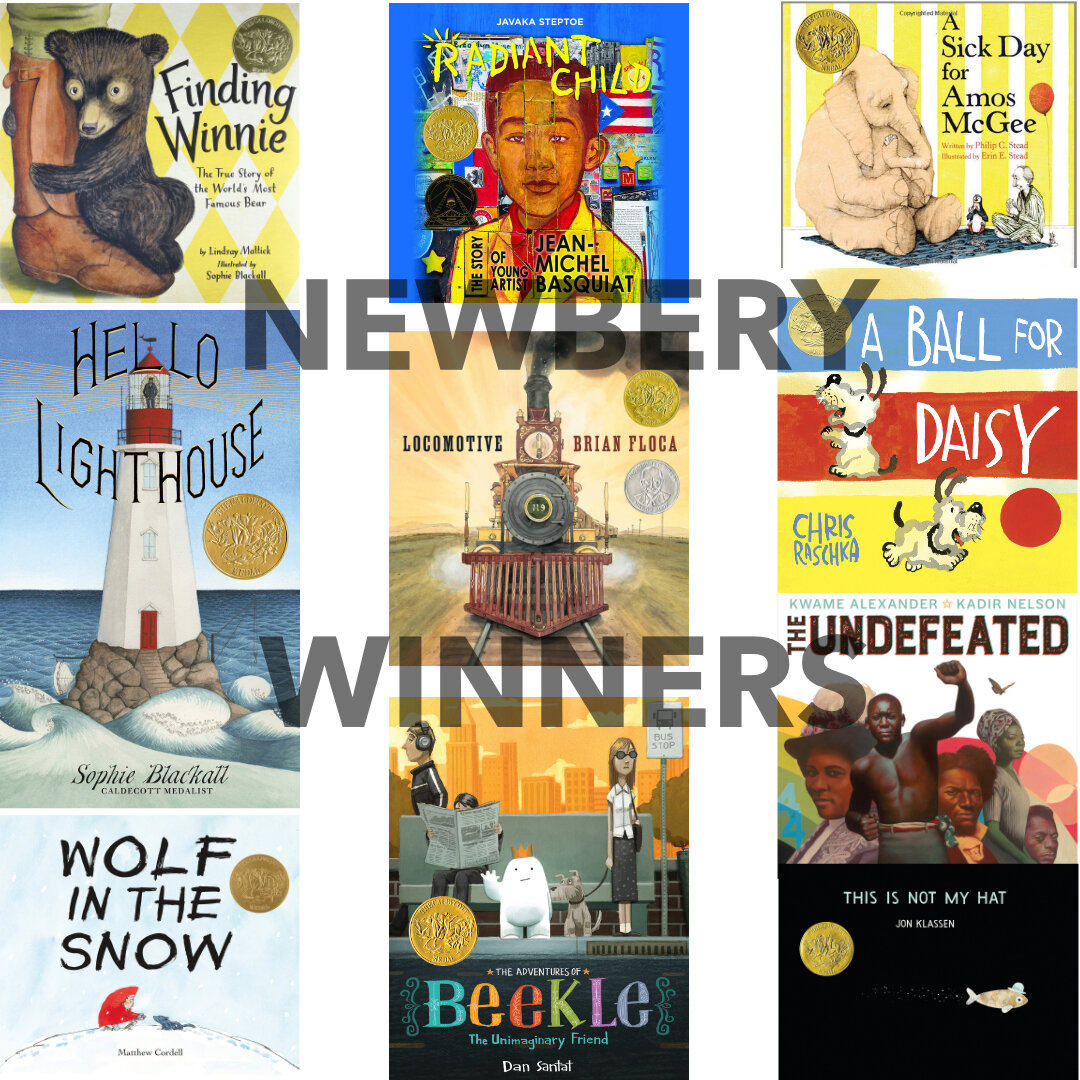
Last month we shared a list of each book that has won the Caldecott Medal over the past decade. Today we extend the appreciation of quality children’s literature by sharing a list of the most recent winners of the Newbery Award. Named after a 1700s British bookseller, this award recognized the most distinguished contribution to children’s literature each year. While many of our book lists are targeted for younger children, this list has plenty for older elementary and adolescents. We hope you have a chance to explore some of these titles with your child!

2020 New Kid by Jerry Craft

Jordan is new at school, plus it’s middle school, which is hard enough! His mother has chosen a fancy private school, but Jordan has his heart set on art school. He is also keenly aware that there aren’t many people like him at the new school. Can he find a way to keep up with his love of art, and be a proud person of color in a world that seems so different? This graphic novel will appeal to all adolescents, as they struggle to define themselves during a period of life when fitting in feels so important.

2019 Merci Suárez Changes Gears by Meg Medina

Eleven-year-old Merci just started sixth grade. It’s her second year at a private school, where she and her brother attend with scholarships and Merci never quite feels like she fits in. There’s her mean “friend”, new classes, and uncomfortable assigned volunteer work to deal with. At home, where she lives next door to her grandparents in one house and her aunt and little twin cousins in another, she faces even more challenges. She feels like she’s expected to take on too much responsibility, and her beloved grandfather has been acting strangely lately, making her worried about him. This amazing novel deals not only with the types of challenges all children face as they begin to get older, but also tackles the difficulties we face when watching our loved ones age (in this case, as Alzheimer’s progresses). 

2018 Hello, Universe by Erin Entrada Kelly

Four middle schoolers’ lives are intertwined, even though they don’t know it yet. Virgil is a kind, introspective, and sensitive boy, who often feels lonely (although he loves the company of his wise grandmother and his pet guinea pig). Valencia is strong-willed and curious, but her differences have caused her heartache. Kaori is a confident girl who knows herself, and prides herself in her natural gifts and talents. And then there is Chet, the neighborhood bully, whose actions make us cringe but whose backstory makes us understand. As school lets out for summer vacation, one interesting day brings them all together.

2017 The Girl Who Drank the Moon by Kelly Barnhill

Luna is not like most girls. She was born in a village shrouded in darkness and under the control of what they believe is a witch that resides in the forest. Each year, the village leaves a baby in the woods so that the witch will leave them in peace. In reality, there is a kind witch who does not understand why babies are left each year, but she dutifully scoops them up and brings them to neighboring villages to be adopted by eagerly waiting families. Luna, however, tugged at her heart enough that the witch raised her as her own granddaughter. After drinking the light of the moon, the young girl becomes filled with magical powers herself, which are just what she needs for the adventurous life she is destined to live.

2016 Last Stop on Market Street by Matt de la Peña

CJ and his grandmother leave church every Sunday to catch a bus to a different part of their city. Along the way, he expresses his dismay to his grandmother. Why don’t we have a car like my friend? Why can’t I have nice headphones like that teenager? Why does this part of town look so different? CJ’s grandmother smiles and patiently delivers a multitude of valuable life lessons that all center on empathy and selflessness. As they arrive at the soup kitchen to volunteer, CJ remembers why the journey is important, and why he loves to help alongside her.

2015 The Crossover by Kwame Alexander

Josh and Jordan are twin 12-year-old brothers who have always been close. Their dad, a former NBA player, has helped them to become incredible on the court. Their mom, an assistant principal, has made sure school has always been equally as important. But growing up is tough, and one girl creates a rift in the boys’ relationship. This book, written in lyrical verse, is both strong and poetic.

2014 Flora & Ulysses: The Illuminated Adventures by Kate DiCamillo

Holy bagumba! Young Flora is a natural cynic who loves to read comic books about her favorite superhero. One day she sees her neighbor vacuuming the front yard (?!) and watches as an innocent squirrel gets sucked up. Upon rushing outside to help, she quickly realizes that the squirrel has undergone a transformation and is now a sort of superhero himself. Named Ulysses (after the vacuum cleaner), he has incredible strength and a penchant for writing poetry. Flora quickly declares herself his protector and mentor, and the two begin an unforgettable journey.

2013 The One and Only Ivan by Katherine Applegate

Ivan is a graceful silverback gorilla, who has the unfortunate fate of being an attraction in a mall. Alongside his other captive friends (a wise, older, female elephant, an innocent baby elephant, and a stray dog that has made the mall his home), Ivan undergoes a transformation. His love of painting, combined with a deep desire to protect those he loves, leads him to spark changes he had never imagined possible.  

2012 Dead End in Norvelt by Jack Gantos

A masterful work of semi-autobiographical and historical fiction leads readers through the small town of Norvelt and the life of main character Jack Gantos. Gantos mistakenly shoots his father’s old gun and is grounded for summer vacation. The only time he is allowed out is to help an elderly neighbor who happens to write local obituaries. Readers have hailed this book as hilarious while also highlighting themes of biased history and the importance of neighborliness. It should be noted that this book is part murder mystery; Amazon states it is for readers aged 10-14, while others recommend it for ages 12 and up.

2011 Moon Over Manifest by Clare Vanderpool

Another tale of mystery, murder, and the past, young Abilene is sent away for the summer while her father takes a railroad job. She stays with the pastor of a small town that has been ravaged by the Great Depression and a series of unfortunate events. After discovering a box of old letters, she and two friends begin working to uncover the town’s hidden secrets. They learn about two boys that once lived there, and how a town worked together to try and defeat the overpowering and over controlling mine owners.

Thank You to the Illustrators

IGPost image 8Feb2021.jpg

Each year the Association for Library Services to Children awards a special honor, the Caldecott Award, to the illustrator of one picture book. This coveted award has recognized some amazing works over the years and is a great way to highlight the important fact that illustrators contribute significant meaning to the art of children’s literature.

This week we share the Caldecott winners for the past decade. (By the time this article is published there will have been a recently announced 2021 winner, so keep an eye out for a new title to explore!)

2020 The Undefeated,
illustrated by Kadir Nelson

Kadir Nelson illustrated this beautiful and often heart-wrenching love letter to black Americans, celebrating their achievements while honoring their traumatic history. Each page has gorgeous illustrations highlighting various points in history as well as individuals who have contributed to the world in magnificent ways. In addition to being a Caldecott winner, this book was also the recipient of a 2020 Newbery Honor and the 2020 Coretta Scott King Illustrator Award.

2019 Hello Lighthouse,
illustrated by Sophie Blackall

Sophie Blackall’s Hello Lighthouse has a fascinating way of blending the simplicity of daily life with a rare window into an interesting part of history. A lighthouse keeper and his wife live alone on the island, going about the task of maintaining the beacon. In time, their family grows, and the monotony of cooking, tending to the light, and enjoying moments together plays out visually for readers to enjoy. The pages show beautiful cutaways of the interior of the lighthouse, allowing us a peek back in time. 

2018 Wolf in the Snow,
illustrated by Matthew Cordell

In this charming wordless book, a child is on her way home from school when she comes across a lost wolf pup as a snowstorm begins. She hears the barks of the wolf’s family in the distance, and trudges through the snow to return it safely. Afterward, she finds herself turned around in the windy and white landscape, but her new friends find a way to return the favor.

2017 Radiant Child: The Story of Young Artist Jean-Michel Basquiat,
illustrated by Javaka Steptoe

Jean-Michel Basquiat grew up in Brooklyn, absorbed for hours in his own art and dreams of becoming a famous artist. His mother encouraged him and taught him that art was more than just pretty paintings. As he grew up, he explored various mediums, and became well-known first through his street art. His mother eventually became ill, but Jean-Michel always remembered her influence on him and showed his gratitude for her support. 

2016 Finding Winnie: The True Story of the World’s Most Famous Bear,
illustrated by Sophie Blackall

One evening, a little boy lies awake in bed asking his mother to tell him a true story. She obliges and tells the story of a veterinarian-turned-soldier who rescued a bear cub at a train station. The special bear is given the name Winnie, and eventually goes to live at the London Zoo, where she charms the heart of a little boy named Christopher Robin and his father, A. A. Milne. The veterinarian’s granddaughter turns out to be the mother telling the story, and it is, indeed, the story behind the inspiration for the famed character, Winnie the Pooh.

2015 The Adventures of Beekle: The Unimaginary Friend,
illustrated by Dan Santat

A small creature lives on an island with other fantastic creatures, where they all await the moment a child will choose each as their imaginary friend. The small creature becomes impatient, leaves the island, and searches throughout the land of humans for the friend he is destined to be with. It isn’t until one day, from high up in a tree, he looks down and spots her, and they both know it was meant to be.

2014 Locomotive,
illustrated by Brian Floca

This book is perfect for both train lovers and history buffs. The illustrations help readers understand what it was like in the early days of the locomotive in the United States, as its rails were laid down by hard working people and the cars snaked their way across the land. The roles of various people running the train itself are detailed, as are the journeys and lives of some of the early travelers.

2013 This Is Not My Hat,
illustrated by Jon Klassen

One small fish steals the hat of a sleeping and unsuspecting large fish. Though the small fish knows what it has done is wrong, it spends most of the book defending its decision and finding a way to hide itself. Undeterred, the large fish wakes up, realizes what has happened, and sets off to retrieve what is rightfully his.

2012 A Ball for Daisy,
illustrated by Chris Raschka

Sweet Daisy, a scrappy pup, adores her red ball. She plays with it, chases it, and cuddles on the couch with it. One day, her owner takes her and her ball to the park to play, where they meet a friend. Daisy and the other dog both run for the ball, but the other dog accidentally pops it. As you can imagine, Daisy is distraught, but there is a happy twist at the end. This beautifully illustrated book tells its story without any words at all.

2011 A Sick Day for Amos McGee,
illustrated by Philip C. Stead

Amos McGee is a morning person, and each day he swings his legs out of bed, makes breakfast, and heads off to work at the zoo. He takes great care to visit with each of his animal friends, spending time with them in the way each individual appreciates. One day Amos wakes up sick and realizes he must spend the day at home. Missing him dearly, the animals find their way to his house and repay all the kindness he has shared with them over the years.

Book List: We Could All Use a Little More Poetry

Hollis Montessori General Photos June 2016-26.jpg

Poetry. 

It may not be completely necessary for our survival, but can you imagine a world without it? Poetry helps us express our emotions, illuminate the beauty of the everyday, and document the human condition. It is a splendidly unique form of art, and the world is better for it.

Of course, our children may not be quite ready for Poe or Wordsworth, but it’s never too early for an introduction to poetry. Kids’ poems are often lyrical, silly, and completely appealing. Here is a brief list of some of our favorites, should you want to enjoy them at home!

Jabberwocky by Jennifer Adams (Lewis Carroll)

‘Twas brillig, in the slithy toves…  Many of us recall this nonsense poem from Carroll’s classic tale Through the Looking Glass. Adams has taken the best parts (and taken out the scariest parts) and reworked the words so that they are absolutely perfect in a board book for infants and toddlers. Bright, whimsical illustrations help make it even more fun!

A Beautiful Day in the Neighborhood: The Poetry of Mister Rogers
by Fred Rogers

Fred Rogers was an incredible individual who dedicated his life to bettering the lives of children and their families. Perhaps unsurprisingly, he was a staunch supporter of Montessori education. This lovely collection of his songs warms our hearts and inspires us to celebrate children just as they are.

Chickens Aren’t the Only Ones
by Ruth Heller

Heller has a way of making scientific information extra fun and interesting for children, and she does it lyrically through poetry. In this lovely example, she teaches children all about the various egg-laying animals and what makes them special. 

Chicken Soup with Rice
by Maurice Sendak

An absolute classic, Sendak created one poem for each month of the year. The silly spin is that each one celebrates the narrator’s deep affection for chicken soup with rice. This book is fun to read bit by bit throughout the year, or just to keep on the bookshelf for everyday reading.

Whiskers & Rhymes
by Arnold Lobel

Does your child love cats? Lobel is perhaps most famous for his Frog and Toad books, along with Mouse Soup, but Whiskers & Rhymes is just as good. Children and their adults will adore the ridiculously fabulous cats dressed in 1800s formalwear, as well as their seriously silly poems that deal with a range of emotions and topics.

Everybody Needs a Rock
by Byrd Baylor

What young child doesn’t occasionally come home with pockets full of stones? There is something so alluring about beautiful rocks, and our children have the sense to stop and appreciate them. Baylor’s poetry is always stunning, and this particular book celebrates the finding of a person’s perfect rock. The narrator shares specific rules for finding just the right one.

Stopping by Woods on a Snowy Evening
by Robert Frost

Gorgeously illustrated, this peaceful, timeless poem by Frost is perfect for families, especially this time of year. There is something truly magical about stepping out into nature when there is a chill in the air. Frost leads us to recall the importance of noticing and appreciating, all the while looking forward to getting back to the cozy indoors with the ones we love.

mammalabilia
by Douglas Florian

Florian has a fantastic way of blending unique art, scientific facts, and poetry into verses that really draw children in. Each page highlights a poem that celebrates a particular mammal, from well-known elephants and bears, to more curious creatures such as the ibex and the tapir. Florian also employs occasional examples of concrete poetry, a form in which the words take shape and help to literally illustrate their meaning. 

A Humble Life: Plain Poems
by Linda Oatman High

Plain people, or various groups of Mennonites and Amish, are highly religious people who intentionally live apart from the larger society. Their lives focus on their faith, but also on living with the land and following the seasons. This book of poems follows such people and their lives throughout the course of a year.

Poetry for Young People: Langston Hughs
edited by David Roessell and Arnold Rampersad

This book is one in a series that makes classic poetry more accessible to young people. Poems are carefully selected to appeal to children, and illustrated beautifully to enhance their appeal. Hughes’ powerful verses serve as a reflection of the African American experience and are important for all people to hear.

Book List: About Peace

81gJ6UtL0CL.jpg
“Establishing lasting peace is the work of education; all politics can do is keep us out of war.”
— Dr. Maria Montessori

Peace can often seem like a lofty goal. We believe it starts small, in our own families, our own communities, and in the way we raise our children.  

This week we share a list of books for you to explore as a family. Even infants and toddlers can start to learn about peace, and there are many incredible books available to older children, including adolescents. Please let us know if you give any of these a try, or if there are others you think should be added to the list.

Primary

The Peace Book by Todd Parr

Primary-aged children will certainly love this book, but so would infants and toddlers. Parr’s bright, bold illustrations, coupled with easy-to-understand text, give children an early idea of what peace means. Featuring diverse characters and actions children can actually put into practice, this book is a perfect introduction to peace.

The Peace Rose by Alicia Olson

The Peace Rose is a book loved by many Montessori educators. It revolves around the idea that children might use a rose to help them resolve conflicts amongst themselves, passing it to one another so that everyone has a turn to speak. Many primary classrooms use this technique, and many families have found it helpful to bring the practice into the home. (It’s especially helpful with siblings!)

The Lion and the Mouse by Jerry Pinkney

Pinkney’s Caldecott winner is an illustrated masterpiece, depicting the unlikely partnership between a lion and a mouse. The lion unexpectedly saves the life of the small mouse, who later returns the favor. Children will have a sense that we can all contribute, no matter our size or what others might assume about us.

All the World by Liz Garton Scanlon

A Caldecott Honor book, All the World sheds light on the importance of and the connections between all things - large and small. Young readers follow a day and night along with a group of family, friends, and the world they live in.

Elementary

A Little Peace by Barbara Kerley

During the elementary years, illustrations and images are still very important. They give young children a deep sense of meaning and help them enjoy books in a deeper way. This National Geographic book couples gorgeous photographs from around the world with important, reflective messages about how we might all create a more peaceful world.  

Amazing Peace by Maya Angelou

The incredible Maya Angelou first shared this poem at the White House in 2005 during the annual tree lighting ceremony. It is a Christmas poem, but it is so much more than that. As frightening weather looms, a family embraces the Christmas holiday. Their celebrations extend outward into their community, to include neighbors of difference races, religions, and those in different socioeconomic situations.

One Hen: How One Small Loan Made a Big Difference by Katie Smith Milway, illustrated by Eugenie Fernandes

Based on the life and experiences of Kwabena Darko, this book is both lovely and informative. The main character, Kojo, is forced to quit school in order to help his mother after his father dies. Living in a village in Ghana, Kojo’s mother is able to secure a small loan and gives a bit of the money to her son. With it, Kojo purchases a single hen, which eventually grows into a substantial flock, earning him enough money to help support his family and allowing him to return to school. Microloans are an important part of working to lift up developing nations, and this book is a fantastic introduction.

Adolescent

Sadako and the Thousand Paper Cranes by Eleanor Coerr

Based on a true story, Sadako was a young girl who lived in Japan when the United States dropped an atom bomb on Hiroshima. She is lively, an excellent runner, and has the rest of her life ahead of her. Then she begins to feel ill and learns that she has leukemia as a result of the radiation. She recalls an old Japanese legend that states if a person folds a thousand paper cranes they will become healthy again. She sets out to do so, eventually gaining help from people around the world. Today, the thousand paper cranes are a symbol of peace in the aftermath of war.

A Young People’s History of the United States: Columbus to the War on Terror by Howard Zinn and Rebecca Stefoff

Twenty-five years after publishing a similarly named book for adults, Zinn shared this new perspective of United States history for a younger audience. Our history is often written by the perspective of a very limited group of people, often leaving out the stories of those affected most by events. Learning about the past should include the stories of everyone, especially those who have been marginalized and oppressed. This book does just that.

This Book is Anti-Racist: 20 Lessons on How to Wake Up, Take Action, and Do the Work by Tiffany Jewell, illustrated by Aurelia Durand

Jewell, a Montessori educator, has worked tirelessly to create more inclusive and accessible classrooms. This Book is Anti-Racist gives young people concrete steps to learn about themselves, learn about others, and go about changing the world. While this book is not about the peace that exists, it is absolutely about the peace that we must all work to create.

Book List: Series to Get Hooked On

When was the last time you read a book that was so good you hated to see it end? Perhaps it was part of a series and you quickly got your hands on the next book, or perhaps it was an author’s style that you loved so you began reading everything you could find that they’d written.

New readers can experience the same feeling. All it takes is one truly positive reading experience to send them searching for more. In this article we share some series of various levels that may just be your child’s new (amazing) obsession.

 
IMG_1395.jpg

Miss Rhonda’s Readers

Written by a Montessori guide, these books are perfect for the very earliest readers. While animals feature heavily as the main characters in most of the books, there is some much needed diversity among children characters that is lacking in many early readers. There are now several sets to choose from, but the first set boasts delightful plotlines including a swimming dog who ends up getting children wet, a pair of robins defending their nest from a cat, children catching and releasing a crab at the beach, a very muddy pig, and a clever plan to retrieve an escaped hamster.

 
136802131X-1024x965.jpg

Elephant and Piggie Books

Officially, there are 25 books in this series, and there’s no need to read them in any particular order. Gerald the Elephant and his friend Piggie share many adventures, learn about life, and make children and their adults laugh. It’s likely their relatability that makes these books so appealing; the characters’ personalities are quite different yet compliment each other, and they experience emotions and events that kids face in real life. These books are so popular, that several more have been written by other authors as spin-offs, with the original characters featuring briefly. Children will enjoy them from the preschool years into early lower elementary.

 
box-of-treats-1.jpg

Kevin Henkes’ Mouse Books

These books are so sweet it’s almost impossible not to love them. There are more than 20 books and each features mice characters that are personified and navigating the same life experiences as young children. These are likely best utilized as read alouds during the primary years, and as independent reads during lower elementary. Children will learn what to do when a guest behaves less than stellar, how to handle worries, why it’s important to love oneself in the face of teasing, dealing with the complicated emotions of having a new baby sibling, and so much more.

 
box1-3d.png

The Princess in Black Series

Princess Magnolia is a proper princess. She hosts polite tea parties, rides a beautiful horse, and dresses as one might imagine a princess typically does. The twist is, she leads a double life. Occasionally she must politely excuse herself to the broom closet to change into her superhero clothing, leap onto her valiant steed, and rush off to stave off monsters. The princess makes some unlikely friends and allies throughout the series, and her one-person mission to defend and protect soon expands to include a merry band of do-gooders. Perfect for kindergarten through lower elementary.


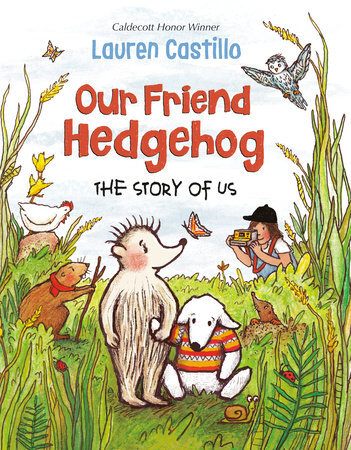
Our Friend Hedgehog, The Story of Us

Author and illustrator Lauren Castillo released the first installment of a new series this past May. Young Hedgehog and her friend Mutty live an idyllic life on a tiny island in the center of a river. When a fierce storm blows Mutty away, Hedgehog is forced to leave home and search for her friend. Along the way she makes new friends who join in the search, each contributing their own unique talents and abilities. This book might be described as whimsical, enchanting, and full of the hope friendship gives us. Great for lower elementary.

 
51iHCx-APNL.jpg

The Ramona Series

Beverly Cleary’s books about Ramona Quimby and her family are undoubtedly classics. The series begins as Ramona enters kindergarten and follows her through the fourth grade; children of these ages (and perhaps even a bit older) will love reading these books. Cleary wrote them to be relatable, and the main character stumbles her way through childhood just like any other. Ramona admires her older sister Beezus, at least some of the time. She loves school and her teachers, except when it comes to spelling. She navigates friendships, changes in her family, and stays true to herself.

 
9780448488639.jpg

Who Was? Books

For the nonfiction lovers out there, this popular series highlights the biographical tales of influential historical figures. Ideal for children in later lower elementary and into upper elementary, each book is well organized and features informative chapters and illustrations. There are more than 250 books total - below are just a small sampling of people the series covers:

  • Frida Kahlo

  • Jane Austen

  • Andrew Jackson

  • Pope Francis

  • Charlie Chaplin

  • George Washington Carver

  • Gloria Steinem

  • Jesse Owens

 
81QCprMu5YL.jpg

Where the Mountain Meets the Moon, Starry River of the Sky, and When the Sea Turned to Silver

Newbury Honor author Grace Lin has created this stunning trilogy of books. They need not be read in order, or even together, but they do serve as companions to one another. Lin carefully researches traditional storytelling in Chinese culture and weaves the tales into her books. Utilizing a story-within-a-story format, she takes readers on epic adventures alongside carefully crafted characters that we can’t help but become attached to. Geared for children ages 8-12, the books could be enjoyed as a read aloud for slightly younger children.

 
51MyR7RPDIL.jpg

The Chronicles of Narnia

C.S. Lewis’ seven-book series has been loved by children for generations. Although the second book - The Lion, the Witch and the Wardrobe - is perhaps the most well-known, the series as a whole is captivating. Start with The Magician’s Nephew and work your way through the magical world of Narnia, book by book.

Book List: Birthday Books!

We know there isn’t a perfect month to share this book list, but if it’s not your child’s birth month, just bookmark this article for later!

We are always looking for excuses to read new books with our children, and there are plenty of beautifully-crafted birthday books out there. It can be fun to add a new one to your collection each year, or even make a trip to the library together to check out a few. Here are some of our favorites:


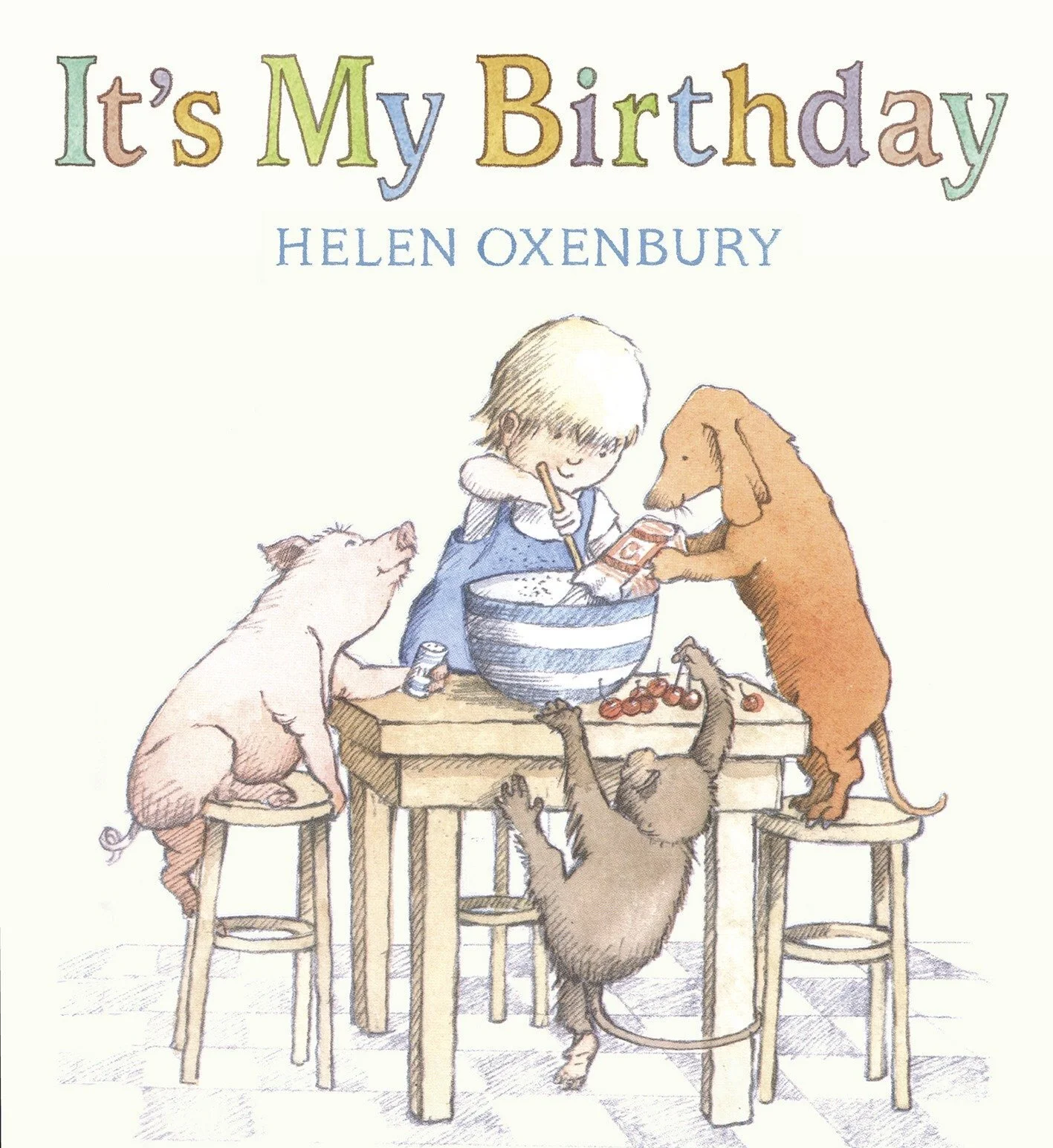
It’s My Birthday by Helen Oxenbury

From the author of We’re Going on a Bear Hunt, this birthday book will be especially appealing to younger children. A child decides to make a cake for their birthday and enlists the help of friends. A chicken shares some eggs, a bear gets the flour, the cat finds some butter and milk, a pig finds a pinch of salt, and a dog buys some sugar. After a monkey picks some cherries out of a tree, the child has everything they need to bake - and share - the birthday cake.


Birthday Monsters! by Sandra Boynton

Boynton is known for her silly and lovable characters. This book is no exception! Children are delighted by the tale of boisterous monsters whose enthusiasm seems to undermine every fun element of Hippo’s birthday. Just as they leave and it seems everything is ruined, they right zip back in and share a special surprise.


On the Night You Were Born by Nancy Tillman

We all cherish our children, and Tillman’s book has a way of whimsically and visually showing them how we feel. It begins with: “On the night you were born, the moon smiled with such wonder that the stars peeked in to see you and the night wind whispered, ‘Life will never be the same.’” The name travels on the wind around the world in celebration of the birth of the special child (yours!).


Happy Birthday Moon by Frank Asch

Young bear decides it would be nice to get the moon a birthday present. After a (one-sided) conversation echoing from a mountain top, Bear happily returns home, believing that the moon has the same birthday as he does and happens to want the same thing - a hat. The delightful misunderstandings continue, and children will love watching Bear give (and receive) the gift.


The Secret Birthday Message by Eric Carle

Tim wakes up on his birthday to find an envelope beneath his pillow. A coded message leads him on a treasure hunt for his gift. The pages of this book contain not only Carle’s beautiful signature style of artwork, but there are shaped and cut out pages that make the story a bit more interactive.


Clever Jack Takes the Cake by Candance Fleming, illustrated by G. Brian Karas

Jack lives in a cottage with his mother, and while they don’t have much, his resilience and generosity are enough to get him through. When he receives an invitation to the princess’ birthday party, he struggles with what he might bring as a gift. Ever-resourceful, he bakes a perfect strawberry cake for her. The journey to the castle is quite an adventure, and while the cake doesn’t arrive quite as planned, Jack learns that sometimes the best gifts aren’t things at all.


Lyle and the Birthday Party by Bernard Waber

Loveable Lyle has entertained generations of children. He lives with the Primm family on East 88th Street, and life is generally pretty perfect. When young Joshua’s birthday arrives, however, events take a turn for the worse. Lyle breaks a gift and then wonders if it was actually an accident. This story includes some ridiculous mix-ups, characters dealing with negative emotions, the love of a family, and the discovery that giving is perhaps more satisfying than receiving.


If a T. Rex Crashes Your Birthday Party by Jill Esbaum, illustrated by Dasha Tolstikova

Having a T. Rex come to your birthday party might sound like a dream-come-true to many young children, but as the child in this book discovers, it’s not all it’s cracked up to be. The T. Rex is huge, has sharp nails and teeth, and gets pretty grumpy when things don’t go his way. Underneath the tough exterior, however, there’s a gentle heart that will win readers over.


Ling and Ting Share a Birthday by Grace Lin

The second book in a series about a pair of loveable twins, Ling and Ting Share a Birthday is a book about sharing. These girls are sweet and silly, and they realize that they are lucky to have each other. They share a gift they receive, they shop for one another, they read together...and they celebrate together. This is a perfect book for early readers; it is broken into chapters that are actually short stories in their own right.


Some Birthday! by Patricia Polacco

Patricia and her brother live with their mother, but they spend summers with their father and grandmother. One morning, on the day of her birthday, Patricia helps her father get ready for work. He dashes out the door without mentioning it at all. Even when he returns home in the evening, he settles in to read the paper and watch television. Then, out of the blue, he tells the children it would be the perfect night to try and spot the monster at the bottom of the clay pit down the street. He creates a memorable night, ending in the children seeing the “monster”, running home screaming, and realizing he hadn’t forgotten Patricia’s birthday at all! They all celebrate with cake, gifts, and more laughs.

Book List: Books About Trees

It’s hard to imagine our world without trees. Silent and towering, they give us far more than we give them. Our children have a natural fascination with trees, from the time they are very young. This week we celebrate these magnificent plants with a list of books that we hope will inspire and cultivate awe and the desire to give trees the care and love they deserve.


Trees by Carme Lemniscates

Lemniscates’ stunning illustrations are the star of this book for young children. Infants, toddlers, and preschool-aged children will enjoy the simple text and the basic plot of trees changing during different seasons. 


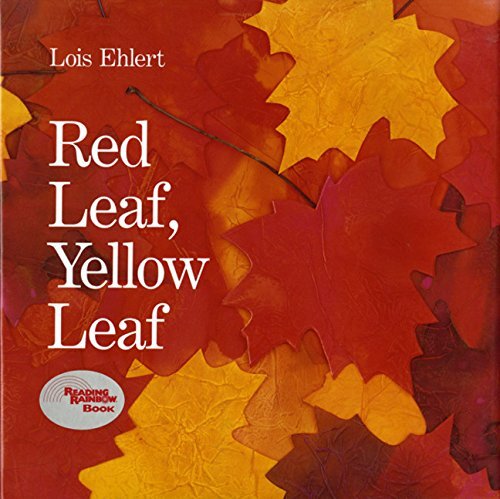
Red Leaf, Yellow Leaf by Lois Ehlert

This book has been loved by generations of children. In lieu of more typical illustrations, Ehlert utilizes interesting materials to create collage on each page. Children will learn important factual information about the lives of trees, specifically within the context of the narrator’s beloved sugar maple. 


Maple by Lori Nichols

Maple is the name of a young girl, but it is also the type of tree her parents planted in celebration when she was born. Maple and her tree grow up together, and as an only child, her tree often serves as a trusted companion. Maple does not remain an only child forever, and her trusty tree helps ease her into sisterhood (with baby Willow).


Who Will Plant a Tree? by Jerry Pallotta, illustrated by Tom Leonard

Renowned children’s author Jerry Pallotta created this book to teach young children how many living things unknowingly help plant seeds. Tom Leonard’s illustrations help convey the various ways seeds might hitch a ride: stuck to fur or feathers, buried, dropped, pushed along in the water, and (much to children’s delight) pooped out. 


The Lumberjack’s Beard by Duncan Beedie

This adorable book will have readers giggling for sure, but it also conveys an important message. A lumberjack inadvertently displaces several animals from their homes, and after inviting them to live in his beard for a while, he experiences a change of heart and goes about righting his wrongs.


The Great Kapok Tree: A Tale of the Amazon Rain Forest by Lynne Cherry 

A young man enters the rain forest intent on cutting down a kapok tree. Lulled to sleep by the heat of the jungle, he rests against the tree’s trunk for a nap. While he sleeps, various animals whisper their pleading requests that he reconsider. When he awakes, finding himself surrounded by those he dreamed about, he decides to leave the tree (and all those who rely on it) alone. 


Wangari’s Trees of Peace: A True Story From Africa by Jeannette Winter

Wangari grew up “...under an umbrella of green trees in the shadow of Mount Kenya in Africa.” She was fortunate enough to have an excellent education, eventually traveling to the United States to earn degrees in biology and science (as well as advanced degrees in Germany and Kenya). Upon returning home to Kenya, she was shocked to find the trees she once loved had vanished. Ignoring the naysayers, she taught the women of Kenya to plant one tree at a time, creating economic independence for families and restoring the natural state of her beloved nation.


The Tree Lady: The True Story of How One Tree-Loving Woman Changed a City Forever by H. Joseph Hopkins, illustrated by Jill McElmurry

Born in the mid-nineteenth century, Kate Sessions adored trees. She grew up surrounded and inspired by them. She attended UC Berkeley, where she was the first woman to receive a degree in science. A move to San Diego, which was mostly barren in terms of trees at the time, inspired her life’s work. With the cooperation of city officials she began planting a wide variety of trees, some of which remain to this day. Sessions transformed both the landscape of the city and the perspectives of its people.


Ultimate Explorer Field Guide: Trees by Patricia Daniels

Created specifically for children, this field guide is filled with enticing illustrations, diagrams, photographs, and helpful information. Beginning with some important general information about trees, the book covers a wide variety of the more popular trees one might encounter. Created by Daniels for National Geographic Kids, this book is an excellent option for kindergarten and early lower elementary children.


Peterson Field Guides to Eastern Trees and Western Trees

Peterson’s field guides are, in our opinion, some of the best available. If your child is interested in trees, or if you would like to try identifying some near you, these books will prove to be invaluable. Montessori children are accustomed to classifying and identifying various organisms due to their in-depth study of biology; field guides are an excellent resource to support curious learnings and those who love nature.


Book List: Math Books for Children of All Ages

In Montessori schools, children tend to really love math. It’s no wonder, with gorgeous materials created to appeal to their senses and developmental stages. One fun way parents can support their children’s love of math is by reading to them about it. This month we have curated a list of books that will appeal to children of all ages, whether they are learning to count or discovering the magic of Pi. Check out these titles and let us know what you think!


Numbers by John J. Reiss

There are some iconic early counting books out there, but if you’re looking for something fresh to inspire a love of numbers, check out this beautiful little book. With bold illustrations and sturdy pages, children can learn to count to ten and beyond (there’s even a page for 1000!).


How Much Is a Million? by David M. Schwartz, illustrated by Steven Kellogg

Is your child ready to expand their understanding of place value? Are you looking for a way to help them conceptualize larger numbers? This charming book is both fun and educational, giving kids concrete ways to visualize one million. How tall are a million children? How long does it take to count to a million? How much water would a million goldfish need? Find the answers to these questions and more!


The Grapes of Math by Greg Tang, illustrated by Harry Briggs

Adding, subtracting, multiplying, and dividing are important skills for all young children to learn. Finding different ways to look at groups of numbers can make operations work a breeze. The Grapes of Math uses clear illustrations and catchy rhymes to challenge children to find new ways to count larger numbers. Your child is sure to have fun figuring out these math riddles with you.


One Hundred Hungry Ants by Elinor J. Pinczes, illustrated by Bonnie MacKlain

Everyone loves a picnic, including ants! In an attempt to get to the food as soon as possible, the ants keep rearranging themselves into different groups. Two lines of 50 is surely faster than one line of 100, right? What about five lines of 20?


Measuring Penny by Loreen Leedy

Lisa’s teacher asks the class to go home and measure something. What could be more fun than measuring your pet dog? This book discusses multiple standard units, nonstandard units, comparisons, and a myriad of ways to measure. Lisa and Penny have fun at the park, where there are plenty of other dogs to measure, too!


The Lion’s Share: A Tale of Halving Cake and Eating It Too by Matthew McElligott

An ant attends the Lion’s annual fancy dinner, along with a number of other animals. The sweet ant is shocked by the terrible behavior of the other guests. Beyond their awful table manners, they divide a cake with no regard for fairness (although they do give readers a great lesson about fractions along the way!). When the ant offers to bake the king a cake, the other animals try to outdo her, with each doubling the offer of cakes. Kids will be amazed and amused!


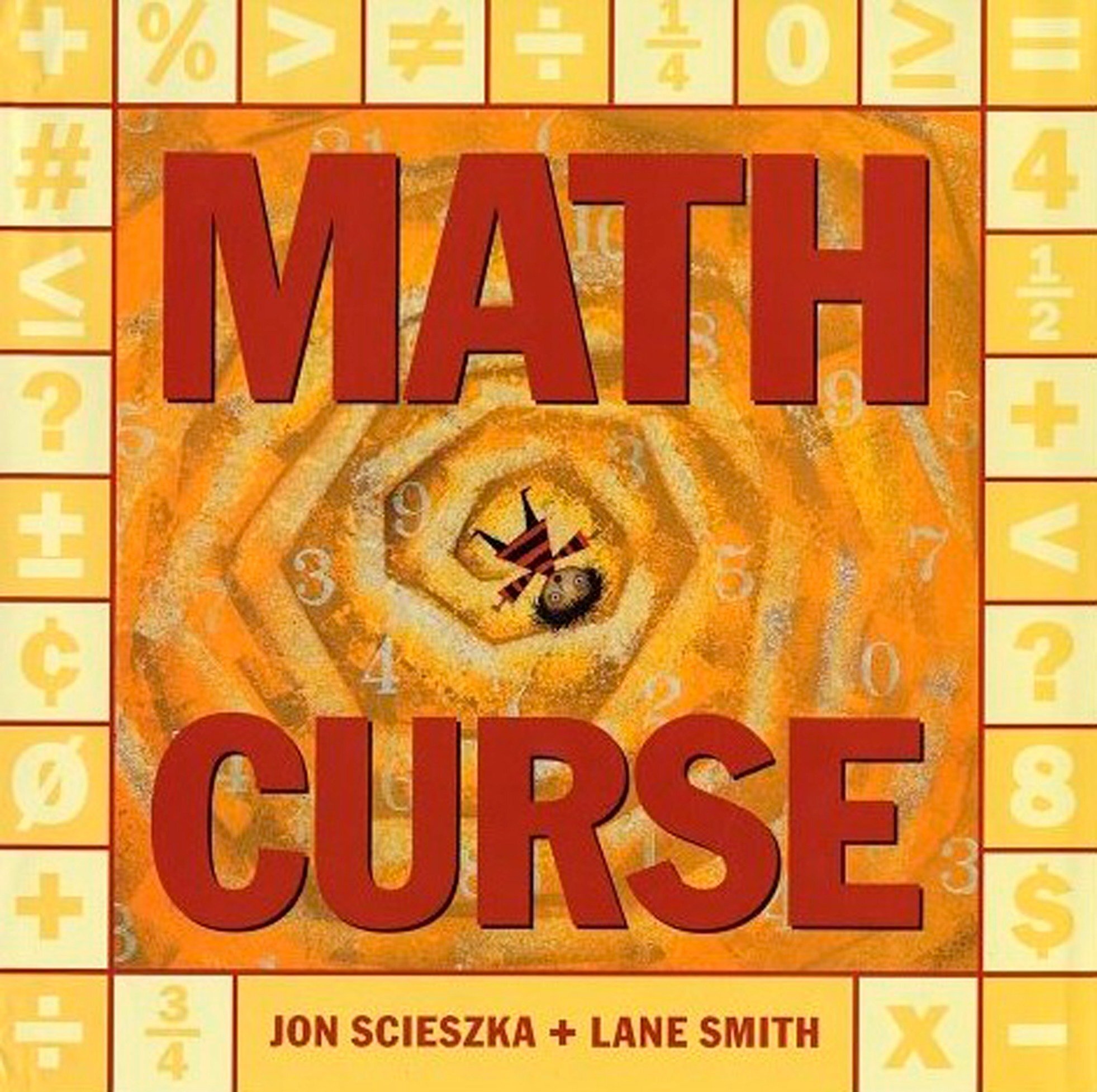
Math Curse by Jon Sciezka, illustrated by Lane Smith

What would you do if your math teacher told you that basically everything in life could be a math problem? If you’re the main character in this book, you might feel like you have a math curse. When life is suddenly numbers, fractions, and word problems, how can you possibly think about anything else? When even the character’s dreams become math problems, they realize they have to find a solution.


Sir Cumference and the Dragon of Pi by Cindy Neuschwander, illustrated by Wayne Geehan

When Sir Cumference has a stomach ache, his son Radius runs off to find some medicine. He accidentally turns his father into a dragon, and finds a mysterious mathematical poem to help him undo the magic. While searching for answers, Radius sees circles everywhere, but he needs to figure out how to measure circumference in order to save his dad. He does, of course, and what better way to celebrate than with some pie?


The Boy Who Loved Math: The Improbable Life of Paul Erdos by Deborah Heiligman, illustrated by LeUyen Pham

Young Paul did not live his life like most people. He struggled with seemingly simple tasks, yet he was always thinking about math. As a four-year-old, he enjoyed mentally calculating how many seconds old people were. This story highlights the fact that there is a place in this world for all of us. The genius of this one boy was realized as he traveled the world collaborating with other mathematicians.


What’s Your Angle, Pythagoras? by Julie Ellis, illustrated by Phyllis Hornung

While we don’t actually know anything about the childhood of the famed Pythagoras, Ellis imagines the types of mischief (and learning!) he may have gotten up to. Curiosity can lead us in many different directions, and Pythagoras goes on a voyage with his merchant father. His passion for buildings leads him to learn about angles, and how a knotted rope helped early builders calculate precise measurements. He explores some more, and uses patterned tiles to discover the concept of squaring.