5 Fun and Easy Summer Ideas for Kids and Parents

IMG_0565.JPG

Summer is a great time to plan exciting trips or visit with family and friends.  Even with scheduled plans, we are often still left with lots of downtime.  While it can be a great thing for kids to feel boredom and create their own fun, it can be handy to have a few ideas in your back pocket for those days when everyone starts to go a little stir-crazy.  Check out these fun summer activities that can easily be done last-minute:

1. Visit a Museum

Even very young children will enjoy trips to your local museum.  While many will delight in spending a day at a museum specifically designed for children, kids also like going to art museums, science museums, aquariums, and many others.

Many local libraries now have passes to area museums.  If you have a library card, you may be able to pick up a pass the will give you and your family free or reduced admission, which is a nice perk for everyone.  Libraries are a great resource to figure out what museums might be best for your kids, too.

When you do head out, remember to consider your kids’ perspective during the day.  Some exhibits may be fascinating for you but boring to them, and vice versa.  Kids will need breaks and food.  Pack some snacks or check out a fun local lunch spot.

Presetting the kids is another great strategy.  Talk to them about what they will see, how they are expected to behave at a museum, and what the day will be like.  Let their interests help guide your trip, and enjoy the memorable experience.

2. Go for a Hike

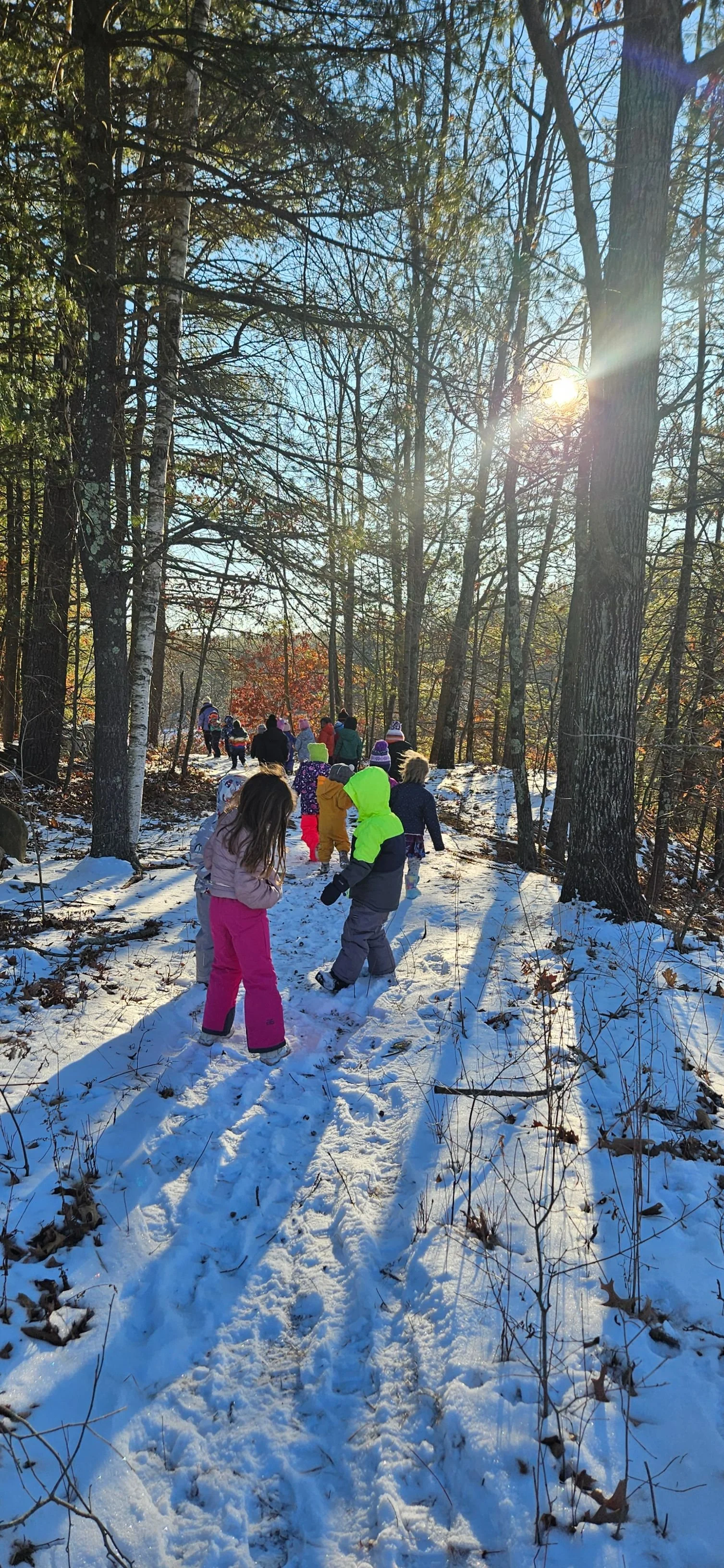
Taking your kids hiking has so many benefits!  You get to spend quality time together, everyone gets some exercise, and the family gets to immerse themselves in nature.  There are so many options that are sure to find a trail that will appeal to even the most reluctant of hikers. Browse an online directory to decide what might be a good fit.  Check out these sites for more information:

https://www.hikingproject.com/

https://www.americantrails.org/resources/statetrails/

https://www.trails.com/

Before heading out, make sure everyone is dressed appropriately.  These needs will vary greatly depending on what part of the country you plan on hiking in and how challenging the trail is.  Consider wearing either sturdy sneakers or hiking boots; open-toes shoes can quickly lead to painful encounters with rocks, roots, or other obstacles.  Dressing in comfortable layers is also a good idea, as hiking (especially in the summer) can cause our bodies to heat up, but mountain summits or other open areas can be breezy and deceptively chilly.  

It’s important to think about pests as well.  Bugs will be joining you on your hike, and no matter how much your little ones may find them fascinating, certain insects are best kept at a distance.  Two standouts include mosquitoes and ticks, both of which can carry disease.  There are many options for prevention of bites, including wearing right clothing, to buying or making repellent sprays.  Find out what pests to be aware of in your area and consider your options for protection.

Lastly, be sure to make it fun!  Adults typically hike with a goal and approach the experience as a task to complete.  Children will likely want to stop frequently, both to explore every cool leaf and rock they see, but also because they will get tired.  Be prepared to take lots of breaks, and pack some fun snacks and water.  Remember to take some pictures to remember the day!

3. Make Recycled Art

Feeling creative but low on supplies?  Raid your own recycle bin for some inspiration!  Some possibilities:

  • Unique drawing paper - That old Amazon box or colorful envelope provides the perfect canvas for kids to unleash their drawing and coloring skills.  Use whatever you have around the house, including crayons, markers, or even sidewalk chalk.
  • Collage - Magazines or flyers are great for this.  Cut out shapes, images, letters, or whatever inspires you, then glue them onto another piece of paper to make a whole new image.  Bonus: young kids are getting some good fine motor practice!
  • Sculpture - The possibilities are endless.  Egg cartons can become caterpillars, plastic bottles can transform into vases, and cardboard tubes and boxes can be attached to one another to make animals.  Gather up some tape and markers and see what your imagination can create.

One really fun option is to pull your recycling bin into the middle of your kitchen floor and ask your child to use their imagination.  Children see the world in such an unfiltered way, and everyday objects can easily provoke their creativity.  

4. Pack a Picnic

Having a picnic is one of the simplest and relaxing ways to enjoy the warmer months.  Choose a spot (local parks or beaches are wonderful, but so is your own backyard.)  Have the kids help prepare and pack sandwiches, snacks and drinks.  Some ideas:

  • Finger Foods: Think grapes, olives, cheese, bread,  and carrot sticks.
  • Simple Salads: Whip up your favorite, whether it be macaroni, bean, potato, or veggie-based.
  • Quick Sandwiches: Peanut butter and jelly is an easy go-to, and so are cold cuts.  If you have adventurous kids, look up a recipe and try something that is new for everyone!  
  • Easy drink: Fill up some water bottles or back some juice boxes to keep everyone hydrated.

Remember to pack a blanket, napkins, and any plates, cups, or utensils you may need.  Bug spray and sunscreen might be helpful, too!

5. Check Out Your Library

Not only is your library a great source for museum passes, but libraries are a great place to take children for a variety of other reasons, too.  While each library is different, many offer:

  • Summer reading programs
  • Classes and activities for kids of all ages (for a small fee or free)
  • Special events for families
  • Art displays to view
  • Children’s and teen’s book sections
  • Storytime for little ones

Best of all, the library is a really nice place to spend a quiet few hours, enjoying some books together out of the heat of a summer day.

Enjoy your time together this summer!

Summer Reading List

Summer is here!

This may mean the end of school for the year but that shouldn’t mean a break from reading.  Reading, and being read to, is critically important for children’s language development.  Reading to infants and toddlers gives parents a chance to model our spoken language.  Preschoolers and kindergarteners are learning about sounds and words; your reading aloud to them will help them delight in the magic of the written word, eventually leading them to begin decoding for themselves.  As children get older, it is important for them to spend time reading independently, but reading together can continue on into the preteen years (and perhaps beyond!)  Children appreciate spending time with their parents, and there’s something special about slowing down and enjoying a book together.  

Read on for some fun summer suggestions. (Click on the book images to go to that book's page on Amazon)


Should I Share My Ice Cream? By Mo Willems

Really, anything by Willems is sure to be a hit.  While he is best known for his series of books about keeping a mischievous pigeon out of trouble, his Elephant and Piggie series is very popular with early readers.  In this delightful tale, elephant Gerald contemplates the pros and cons of sharing his ice cream with his best friend, Piggie.  The twist ending is a sweet surprise.


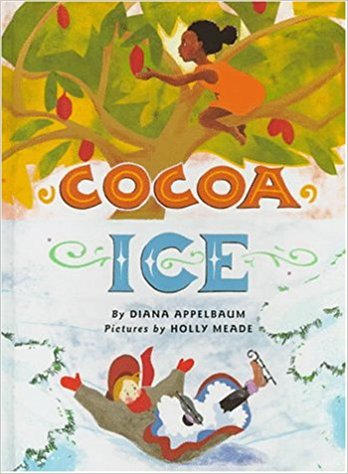
Cocoa Ice by Diana Karter Appelbaum, illustrated by Holly Meade

Cocoa Ice is the story of two young girls who live in very different climates.  One child helps her family harvest and prepare cocoa beans to eat, sell, and trade.  The other child watches as ice is cut into large blocks and loaded onto a schooner that heads to the tropics.  While the children never meet, they are connected by their curiosity about each other as well as their love of the sweet treat, cocoa ice.


The Relatives Came, by Cynthia Rylant, illustrated by Stephen Gammell

This book will be loved by anyone who has ever had a house full of relatives.  The character’s family comes to visit from out of town, and while life may feel a little cramped, the time spent together in the hot summer sun makes it more than worth it.  The illustrations are wonderful, but even the words themselves create a vivid visual.


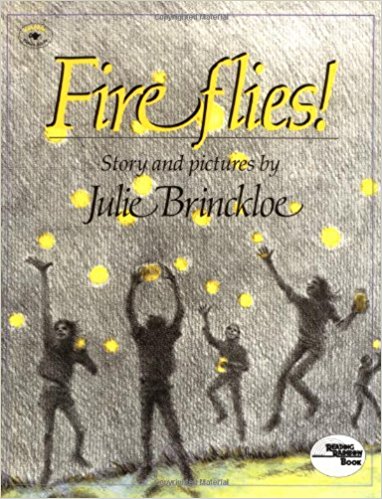
Fireflies! by Julie Brinckloe

At first glance this book tells a story that so many of us have experienced as a child: the joy of running outside on a warm summer night to catch fireflies in a jar.  While that simple theme is the main plot, the character’s internal experiences offer great opportunities for discussion with children.  Parents may want to note that on one page the child misuses a pair of scissors without his mother’s permission to cut holes in the lid of the jar.  At the end of the book, he is also confronted with the challenging decision about what to do with the fireflies as their blinking light begins to fade within the jar.  (Spoiler: he makes the right choice and releases them!)


Bailey Goes Camping by Kevin Henkes

This book will be especially appealing to younger siblings.  Bailey’s older brother and sister are gearing up for a camping trip, but Bailey doesn’t get to go because he’s too young.  Luckily his parents have some ideas to help him have his own camping experience.


Watermelon Day by Kathi Appelt, illustrated by Dale Gottlieb

Jesse can hardly wait to take a bite of sweet, cool, refreshing watermelon.  All summer long she watches as the melon grows larger in the garden.  When her father finally decides it’s ripe enough to cut off the vine, she must wait all day while the melon cools in the chilly water.  Her family gathers for a summer celebration, capped off, off course, with a delicious treat.


Blueberries for Sal by Robert McCloskey

Sal and her mother head out to pick wild blueberries one warm summer day.  On the other side of the hill a mother bear and her cub are doing the same.  The two youngsters wander off, meet up with the wrong mothers (much to the mothers’ surprise!), and eventually find their way back.  This book will charm parents and make little ones giggle.


One Morning in Maine by Robert McCloskey

Sal (from Blueberries for Sal) is a little older in this story, but she brings readers on a journey that many children (and their parents) will be able to relate to.  Sal wakes up with her first loose tooth one morning, and while she initially upset she quickly becomes excited at this sign that she is growing up.  Sadly, she very literally loses her tooth, and spends the day learning


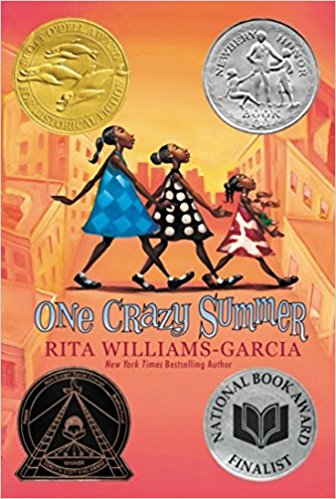
One Crazy Summer by Rita Williams-Garcia

This award-winning title is definitely for older kids (10 and up).  It is lyrically written and follows three sisters through their experiences during the summer of 1968 when they leave Brooklyn to visit their estranged mother in Oakland, California.  Williams-Garcia’s historical fiction delves into difficult subject matter such as reconnecting with an absent parent and the racial struggles during that time period.


National Geographic Kids National Parks Guide USA Centennial Edition

Planning a family trip to one (or more!) national parks this summer?  Pick up this guide for your kids and they can help plan, as well as get excited to learn about and visit these amazing resources!

Montessori Basics: The Prepared Environment

Zero Energy Hollis school 5 13_0447.jpg

One of the most important elements of any Montessori classroom is the prepared environment.  Montessori educators put great effort and intention into making sure the classroom environment is organized in such a way that it invites children to learn and aids in their personal independence.  In a Montessori classroom you will not see a teacher’s desk as a focal point.  In fact, you will not see a teacher’s desk at all.  The environment is a tool to be utilized by the children, and it is prepared in a way that serves them best.

Keeping Child Development in Mind

Montessori educators make decisions based on what they have learned in their training and what they know about child development.  Children’s needs are not only different from the needs of adults’, but they are different depending on what developmental phase (or plane of development as Montessori called it) they are in.

One of the most basic elements to consider is the selection of appropriate furniture.  Tables and chairs are sized for the children who will be using them, and they are made of natural materials whenever possible.  Shelves that hold materials are low enough that children are able to easily access their work.  

The materials on the shelves cater to the specific age group that the classroom intends to serve.  While one will certainly notice some commonalities across the levels, materials in a primary classroom are quite different from those in a lower elementary classroom.  This is an intentional approach aimed to meet children where they are developmentally.

Allowing for Movement

Children are not meant to sit in a chair for long periods of time.  Their growing bodies work best when they are able to move around.  Montessori classrooms are designed to empower children and give them opportunities for movement on an individual and independent basis.

If you visit a Montessori classroom, you are likely to find rug space where children can sprawl out, special floor chairs or cushions, group tables, and individual seating.  Children do not have assigned seats, but rather self-select.  They also tend to move around quite a bit between using materials in order to experience variation.  This teaches them to listen to their bodies and recognize when they need to stretch, when they need to rest, when they might work best with a friend, and when they require a bit of time alone.

Montessori classrooms have structures or materials that allow for children to develop gross and fine motor skills within the classroom.  In fact, addressing those developing skills is a main goal of toddler and primary classrooms.  Many have easy access to the outdoors as well.

Areas of the Classroom

The materials one will notice on the shelves of a Montessori classroom are typically arranged into particular areas.  Again, this will look different for different levels, but the basic idea is the same.

A primary classroom is organized into five main areas:

Practical life

This is the area in which your child will practice preparing snacks, cleaning up spills, and caring for plants and pets.

Sensorial

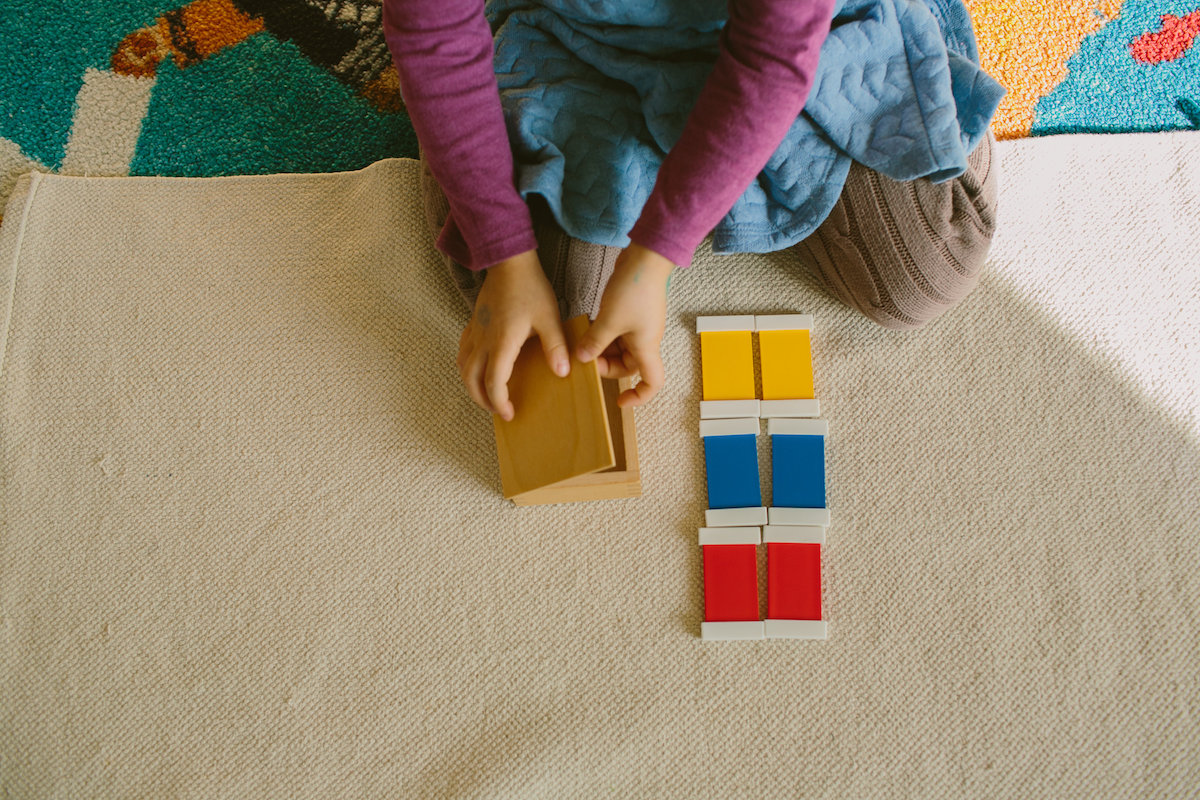
These materials allow children to practice developing and discerning their senses.  There are materials that help children recognize differences in size, shape, smell, sound, and so much more.

Math

This one is self-explanatory, although the materials your preschooler uses to learn basic math skills are a far cry from what many of us experienced as children!

Language

Children at the age area learning basic letter sounds, how to form the letters, basic grammar concepts, and so much more.

Cultural

In a Montessori classroom, the cultural studies refer to history, geography, and science.  Typically history work is saved for when children read lower elementary and beyond, but your preschooler and kindergartner will learn about botany, zoology, landforms, and biomes of the world.  

In an elementary classroom (and beyond), most of the areas remain, with the exception of the sensorial materials.  Older children have work that focuses on math, language, and the cultural areas, with some age-appropriate practical life studies as well.

Bringing in Nature

There is an unrivaled beauty in the natural world, and as Montessori educators, we believe that nature has much to teach children.  While we place value on giving kids opportunities to get outside, we also take great care to bring the natural world inside to surround them as they learn.  Montessori classrooms are home to things like live plants, class pets, fossils, tree branches, or interesting rocks  These items are displayed beautifully and inspire children to wonder, question, and seek out more.  Children are great collectors, and most parents are familiar with pockets full of pinecones or tiny fingers wrapped around a smooth stone.  Our children are often excited to share these treasures at school, and Montessori classroom encourages inspiration drawn from the natural world.

Simplicity and Order

Montessori classrooms are not painted in bright primary colors, nor will you find walls full of busy posters and student work.  Our environments are kept simple for a reason: we believe that the learning materials are enough to spark a child’s interest.  They do not need anything flashy, and a simple backdrop allows them to turn their focus to learning.  

You have likely noticed that the materials are arranged neatly on the shelves, but did you know that even the order and placement on the shelves is intentional?  Generally speaking, the simplest materials, or the earliest lessons, are placed on the shelves first.  The more difficult or complicated the works get, they are placed from right to left, from the top shelf to the bottom.  Children understand that they must return a material to the exact spot from which they retrieved it.  This sense of order and organization again allows the children to focus their efforts on the work.

The Environment as a Teacher

The Montessori environment is considered one of the greatest teachers of the child.  If the adults prepare it sufficiently, children are able to work largely independently.  When learning and independence are combined, children gain a sense of self that is very difficult to convey otherwise. 

Did you know that most Montessori materials are autodidactic?  That is, they are designed in such a way that the child is able to learn from them without the help of an adult.  If a mistake is made, the work either cannot be completed or can be checked by the child without assistance.  Children understand when they have made an error and can immediately work toward figuring out a solution.

The environment not only teaches the children, but the adults as well.  As Montessori educators, we are keen observers.  If our students are struggling in any way, the first question we ask ourselves is, “What could be altered in the environment to meet the current needs of the child?”  These observations, insights, and adjustments are usually all a child needs to get back on track.

Gardening With Kids

gardening.jpg

The warm weather is finally upon us!  As we find ourselves solidly in spring many of us shift our thoughts to the outdoors and our gardens.  Whether you are new to gardening or have cared for plants for years, why not give it a try with your children?  It’s not too late to get started now!

Planning the Space

Whether you live in a tiny city apartment or a sprawling multi-acre piece of land there are many options for planning and executing a garden.  The first step is to decide what will work best for you and your family.  Consider how much time and effort you are willing to put into caring for the plants during the growing season.

Container gardens fit nicely onto porches and decks.  This is a nice way to keep things simple if you’re new to gardening or know you will be short on time.  Finding space for even a few pots can be a fun and rewarding experience for you and your children.  

Thinking you may want to go bigger?  Raised beds keep things contained and easy to manage.  This can be as simple as four 2x4s screwed together with some metal corner brackets, or you can find designs for elaborate and much taller beds online made of a variety of materials.  If this is your first time gardening you might consider starting with 1-3 beds, roughly 4 by 7 feet.  Fill the beds with a mixture of soil and compost and you’re good to go!

A few last considerations: consider what you want to grow and how much sunlight you will need, as well as how close the space is to a water source.  

Selecting Plants

This is the step that younger children can really become more involved with.  Check out options at your local nursery or garden center, but have some ideas beforehand.  Do you want to focus on flowers?  Vegetables?  Does your family enjoy berries or do you like cooking with fresh herbs?  There are so many possibilities it can be easy to get carried away!  A little planning goes a long way.

Selecting garden plants could open new doors for your child.  If you have a picky eater, encouraging them to choose, say, a plants whose vegetables they typically shy away from, you may be surprised by the end of the summer.  When a child takes the time to care for a garden they feel deeply connected to the plants.  They will feel a great swell of pride when they harvest that first zucchini, and they may well enjoy tasting it with new perspective.

Keep in mind the location you have chosen to place your garden and pay attention to the amount of sunlight the spot receives at different times throughout the day.  Some plants require full sun, while others need partial sun or even shady areas.  

Companion planting is fun to consider as well.  Some plants compliment each other when planted nearby.  This often has to do with properties of the plants that contribute to pest control, or what kinds of nutrients they take from (or give to) the soil.  Check out this site for more information on specific companion plants.

Care and Maintenance

Your main two tasks throughout the growing season are watering and weeding.  It can take time and practice to set up a system that works for you, but here are some tips:

  • Water early in the morning or late in the day.  Midday watering can lead to the sun heating up the water and essentially boil the plant and its roots.
  • Make your watering system easy.  Have a hose ready or a sprinkler set up.  
  • Mulch is your friend.  While there are different options, cut straw can be a great way to cover the soil around your plants.  It holds moisture in by preventing excessive evaporation and limits weeds’ ability to grow.
  • Teach your child the difference between weeds and the plants you are intentionally growing, then watch closely while they help!  (If they do inadvertently pull a few plants up by the roots you may be able to salvage them.)
  • Keep an eye out for pests!  Anything from insects to deer can cause problems.  Be aware of the potential where you live and ask around for specific ways to prevent or treat damage.
  • Some plants have more needs.  Climbing plants need guidance, while others may need pruning or thinning.  Seed packets typically include these types of directions, but the the folks at your local garden center are another great resource.  

Enjoying the Benefits

Believe it or not, there are plenty of benefits you will reap long before harvesting.  Gardening allows us to spend time outdoors, breathing in fresh air, taking in the sunshine, and nurturing our own connection with the earth.  Spending this time with your child allows you to enjoy these benefits while spending time together.  The time you spend gardening as a family will leave a positive, lasting impact that your child will remember.  

The harvest does, of course, bring joy all on its own.  Whether you have a gorgeous vase of fresh blooms in your dining room, fresh pesto for your dinner, or hands full of strawberries that never even make it to the table, you will all enjoy the result of your hard work.

Happy gardening!

 
Click to go to this book on Amazon.

Click to go to this book on Amazon.

If you’re looking for more information, this reference book is full of general gardening advice and plant-specific information. 

Montessori Basics: What is ‘Practical Life’?

careenvironment.jpeg

As Montessorians we believe education is more than just academics.  We aim to nurture not only the intellect, but the development of the whole child in an effort to prepare them for all aspects of life.     

Practical life in Montessori begins early; you will find these activities intentionally woven into both toddler and primary classrooms, and beyond.  The activities themselves are intended to give children practice so that they may work toward being independent in everyday living.  Read on to get an understanding of what this looks like in the classroom, and what parents might do to continue this important work at home.

Care of the Environment

Children are not only capable of caring for their environment; they enjoy the process, especially when they are very young.  In Montessori classrooms children are given lesson on how to clean up spills, care for pets and plants, wash dishes, fold napkins, and clean tables.  Each of these lessons is given slowly and methodically, with the adult modeling the correct way to complete each activity.  Children are given tools that are sized to work for them, and these tools are placed within reach of the child so that they may access them independently.

This work can be easily continued at home.  Take the time to model household activities for your child, keeping in mind you will likely need to model the same activity multiple times.  There are a variety of child-sized tools available for purchase, but those are not necessary to accomplish the goal.  For example, if you would like to teach your child how to clean floors, this great set is available, or one could simply use a rag and a spray bottle.  Small dustpan and brush sets are easy to find, too, and will be used for years to come.  Designate a small corner of your home to store these items.  A small bin or basket is helpful, or perhaps low hooks on the wall.

By teaching children how to care for their environment, they gain confidence and independence in their ability to function as a contributing member of the family (or classroom!).

Control of Movement

In most Montessori primary classrooms observers will find a line taped on the floor.  This is placed there as an opportunity for the students to hone their gross motor skills.  Children are meant to walk slowly and with purpose, keeping their feet on the line and balancing as they go.  Sometimes the addition of a bell can add challenge to the activity, with a child walking carefully so as not to allow the bell to ring as they move.  

Similar activities can be done almost anywhere at home.  Children naturally gravitate toward walking and balancing on logs, curbs, or anything else they come across.  The challenge for many of us as adults can be to notice the importance of this activity in the moment, to slow down, and to allow for the child to immerse themselves in the experience.  While it’s not always possible to stop and do this, your child will feel immense pride and accomplishment if they have the opportunity to slow down and just walk.

Montessori teachers also provide lots of fine motor experiences for children.  In their classrooms, there are opportunities for pouring (rice, beans, water, etc.), transferring things from one container to another, and using a variety of implements to do so.  Wondering how this might look at home?  Try letting your child help out in the kitchen.  There is no shortage of scooping, measuring, and using of tools that require concentration and fine motor development.  

Care of the Person

One excellent marker of indepence is how well we are able to care for ourselves.  In Montessori schools children are taught from an early age how to do simple things, such as put on and remove their shoes and coat by themselves.  They are expected to do this daily and they take great pride in doing so.  At home parents can start by allowing children to choose their own clothing (within weather-appropriate parameters) and to dress themselves.  Clothing can be kept on low shelves and in low drawers so that the child may access it easily.

One fun element of this area of practical life is food preparation.  Children are given lessons on how they might prepare a simple snack.  This might include chopping of fruits and vegetables, spreading things like hummus or cream cheese, stirring ingredients together, or any other number of simple skills.  All materials and food are left on a table for the children to access throughout the morning so that they may try the activity for themselves.  Food preparation is a fun and natural activity to repeat in the home.

Grace and Courtesy

Grace and courtesy refers to how we might teach children to be respectful and polite to others.  Much of this work centers on adults modeling the correct vocabulary and movements associated with being polite and courteous in our society.  We teach children to say “please”, “thank you”, “you’re welcome”, and “excuse me”.  We encourage them to hold doors for each other, to offer food to one another, and to check in with anyone who is feeling hurt or upset.  

Grace and courtesy is also about helping children develop empathy.  We are social beings who need to live together peacefully if we are to accomplish anything.  Montessori believed that children are the key to peace among humanity.  This important work begins with simple practical life lessons, and continues throughout childhood and beyond.

A Book List for Parents

Each month we share a book list.  Typically it aims to give parents a list of books to share with their children based on a particular theme.  This month we take a short break from children’s books to provide parents with a list of their own.

Whether you are looking for original titles written by Montessori herself, modern parent-friendly guides, or other books that may be of interest to Montessori parents, this list is for you. (Click on the book's image for purchasing information.)

The Montessori Toddler by Simone Davies

This new and very popular title was recently published via a Kickstarter fund.  Written by an experienced and certified Montessori teacher, it details ways parents can support the unique (and constant!) needs of toddlers.  It shares how Montessori’s ideas can be applied by parents with children ages 1-3 in the home.


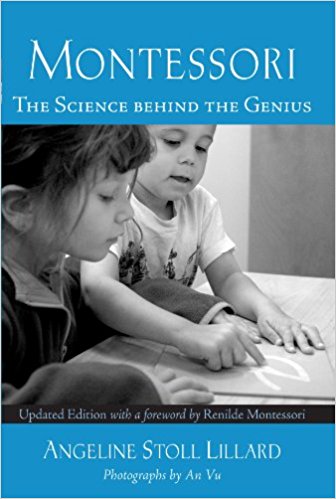
Montessori: The Science Behind the Genius by Angeline Stoll Lillard

This book is the ultimate guide for anyone who is discovering Montessori or is interested in gaining a modern scientific perspective of the approach.  Lillard, a professor of psychology at the University of Virginia, was awarded the Cognitive Development Society’s book award for this title.  In an easy-to-read format, she aligns Montessori’s original ideas with current research findings.    


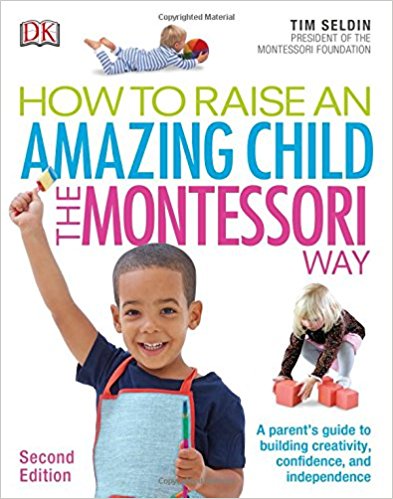
How to Raise an Amazing Child the Montessori Way by Tim Seldin

This book was written for parents of children from birth to six years of age.  Now on its second edition, How to Raise an Amazing Child the Montessori Way has helped many families by describing Montessori’s basic ideas and giving clear, helpful examples of what you can do at home to support your child’s development.  Readers will gain information about a wide range of topics like brain development, gentle discipline strategies, and how to foster independence - with plenty of specific strategies.


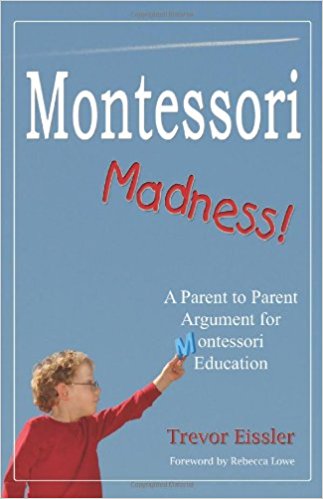
Montessori Madness! A Parent to Parent Argument for Montessori Education by Trevor Eissler

This much-loved and easy to read book is another great introduction to Montessori.  Written by the parent of Montessori children it weaves the stories of one family’s journey into the teaching of Montessori’s hallmarks, including the sensitive periods, the prepared environment, and freedom of choice.


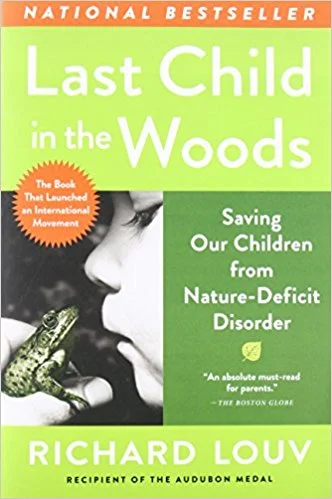
Last Child in the Woods: Saving Our Children From Nature-Deficit Disorder by Richard Louv

This is not a Montessori book, but will appeal to Montessori parents nonetheless.  Louv writes about how time spent in nature directly relates to child development.  He argues that many of the physical and emotional issues faced by children today are a direct result of our decreased contact with the outdoors.  Louv was the 2008 recipient of the Audubon Medal; you can learn more about his work at http://richardlouv.com/


Interested in reading some of Montessori’s original works?  Check out these titles:

What You Should Know About Your Child by Maria Montessori

Writing directly to parents, Dr. Maria Montessori published this book in an effort to teach parents what she had learned about both physical and mental development of young children.  Many of Montessori’s works in their original form can be hard to find on sites like Amazon; NAMTA (the North American Montessori Teachers’ Association) has a website that is a great resource for parents and educators.


The Absorbent Mind by Maria Montessori

Montessori considered the period of birth to six years of age to be the most significant developmental period in a child’s life.  This book illustrates those developments and how we might prepare an environment conducive to aiding the child on this journey.  


The Secret of Childhood by Maria Montessori

This book is another great summary of Montessori’s work and ideas.  It is based on the concept that children desire to learn, that as adults our role is to recognize their potential, and what we can do do facilitate their growth.  While traditional education encourages teachers to be the center of a classroom, Montessori education focuses on the child.  Children are given the freedom to make their own work choices, while the adults are there to serve as support and guides.


To Educate the Human Potential by Maria Montessori 

This book was written to explain how the Montessori method applies to children older than six years.  The elementary curriculum is very different from the primary curriculum.  This is intentional and out of respect for the child’s development.  Children at the elementary level are very social, have wonderful imaginations, and experience a deep craving to learn about the world and universe.  In this book Montessori outlines how we might prepare an environment that serves older children and their unique developmental needs.

Five Reasons Why You Should Share Why You Chose Montessori

IMG_0173.jpg

You made the decision to enroll your child (or children) in a Montessori school and you couldn’t be happier.  You see the benefits, you relish in the joy your child has for learning, and you know you made the right choice.  But for whatever reason, you may hesitate to share this with other parents.  Why do families hesitate to actively advocate for Montessori?  Here are five reasons to reconsider:

1. It’s Not a Competition

Sometimes parents might feel that if they advocate for Montessori, it’s akin to bashing other methods of education.  The truth is, it doesn’t need to feel that way.  There are many great approaches to education and Montessori is just one of them.  While Montessorians feel that the method works for most children it’s only fair to acknowledge that other methods can work, too.  

Singing praises for Montessori doesn’t mean putting down other methods.  It just means you are sharing what you love about an approach to education that many teachers and parents have seen work for children.  

When we learn about Montessori it is natural to make comparisons to traditional or conventional models.  When talking to other parents about why you chose Montessori, don’t feel pressured to share those comparisons.  It’s okay to just emphasize what Montessori is, rather than what conventional methods are not.  As other people learn more about Montessori, they will likely draw the same conclusions you did during your own discovery.

2. Your Story is Valuable

People love to hear first-hand accounts.  We tend to value the actual experiences of people we know and trust over advertising.  Your opinions and what you have to say about your child’s experience with Montessori means much more than you might realize.

Consider this: if you are about to make an important decision, do you consult the internet, a pamphlet, a billboard, or your family and friends?  While there are many great sources to gather information, we all place the most value in the experiences of the people we care about.

When you choose to share your families’ personal Montessori story, you are sharing information that others will listen to.  You are telling people about a school experience that has made a positive impact in your child’s life.

3. Other Families are Looking for Alternatives 

While some people are more vocal than others, many families are not content with their child’s current school.  Whether a school emphasizes high-stakes testing, loads children down with hours of homework, or simply has not found a way to individualize instruction, there are plenty of parents who are actively looking for an alternative.  Even if they are not actively searching, it can give parents hope when they hear about an option that serves as a solution to many current challenges in education.

There are certainly many great schools out there, and some of those use conventional or traditional methods.  Even so, not every family may be happy with the approach for their child.  Parents of high-achieving children may notice their son or daughter becoming bored or disliking school as a result of not being challenged enough.  Parents of children who need extra support may notice the pace and structure of conventional schools leaving their child behind.  Sometimes parents will begin to question to importance of frequent standardized testing that many conventional school utilize.  Regardless of the reason, rest assured that there are many families who wish there were a better setting for their child.

4. We Need to Debunk the Stereotypes

Sometimes people dismiss Montessori as soon as they hear the name.  There are plenty of unfortunate stereotypes that hound Montessori education.  Many of these originate in complete misunderstanding of the method’s principles, although it is easy to see where the ideas might come from if one has not actually visited a Montessori school to observe in person.

People may ask you why Montessori students get to do whatever they want.  They may insist that children need structure to feel safe and to be successful.  As the parent of a Montessori child, you have the unique position of being able to set the record straight, authentically.  You know that Montessori agreed that structure is important for children, but she saw the value in choice as well.  The key is to give children choice within limits, thus providing boundaries while also giving the empowering opportunity for children to learn how to trust their own judgement.  It’s a lot like how, as parents, we often give our children two choices: both will satisfy our own goals but the child is left with some say in the decision.

A lot of people have concerns regarding a child’s eventual transition from a Montessori school to a conventional middle school, high school, or even college.  They worry that the safe bubble a Montessori community can provide will fail to prepare them for ‘the real world’.  On the contrary, Montessori tends to prepare children better for ‘the real world’ than many other methods of education, and its graduations go on to be beacons of innovation, kindness, and contributors to their communities.  Montessori classrooms teach children to work independently and cooperatively, and not just with children their own age.  Montessori guides children to cultivate their own independence, as well as time management skills and internal motivation.  

There are plenty of other Montessori myths out there, including that it is religious-based, not academically challenging enough, or too expensive.  Your personal experiences and knowledge might serve as a way to educate others on the way a Montessori school really operates.

5. It’s Worked for Over 100 Years

It helps to remember that Montessori is not a new approach.  Dr. Maria Montessori developed her methods over a hundred years ago.  They are based on scientific observation and a deep understanding of child development.  Montessori is not a fad, but an approach to education that, while not in line with conventional methods, has certainly stood the test of time.  What’s more - Montessori is spreading in the United States with new schools opening every year.  Montessori is considered an alternative approach by many, and while it is still not widely understood by most Americans, its popularity is increasing.  

As a Montessori parent, your voice is important.  If you love the opportunities your child has had, why not share the love?  You might just make a difference in the life of another child and their family.

Montessori and the Exceptional Child

exceptionchild.jpeg

Any parent considering Montessori for their child is sure to have lots of questions.  Perhaps one of the most prominent is: “Is this the best setting for my child?”  Parents of exceptional children have specific learning needs to consider.  Montessori schools can be an excellent option for many kids.  This blog post details some of the ways in which the approach meets the child where they are, but is not meant to be an exhaustive list.  

General Points to Keep In Mind

Montessori teachers are trained to differentiate learning for each individual child.  Children work at their own pace.  Many families find that accommodations listed on IEP or 504 documents are an easy fit in a Montessori classroom, or they may already be a natural part of the daily structure - for all students.

Learning Disabilities

All children learn at their own pace.  When a child has trouble processing information in some way, they need teachers who will work with their strengths and support them where they need it most.  

One of the benefits of the multi-age classroom (as is found in Montessori schools) is that a child never has to feel left behind.  With a wider range of ages and abilities, your child will never feel the pressure of sticking with the group.  A single student can enjoy advanced math work and also get targeted lessons in reading if that’s where they need more support.  Chances are, they’ll have a classmate to work alongside who will be doing the same thing.

As a bonus, most Montessori materials are self-correcting, so a child knows immediately if they’ve made a mistake without teacher intervention.  This allows them the chance to work through their problems and find solutions independently.

Most lessons are given individually in the primary level, and either individually or in small groups at the elementary level, so your child is guaranteed to receive the personalized instruction they need to feel successful.

Attention Difficulties

Most children who have trouble with focus and attention just have a different style of learning.  Many children need to incorporate movement breaks into their day.  Some need guided structure.  Both of these opportunities are available to all children in Montessori classrooms.

Physical and movement breaks are inherent in Montessori schools.  When a child has the freedom to work independently, they get to decide when they complete a work and are ready to move onto the next.  This gives them a chance to listen to what their bodies need, and respond accordingly.  Many Montessori classes have in-room gross motor opportunities, or direct access to the outdoors.  

As children get older and academic expectations increase, Montessori teachers give kids tools and strategies to manage their time and work.  Many children rely on a work plan to give them direction throughout the work cycle while also allowing for a measure of free choice.  This way, kids feel empowered through their own decision-making while also feeling the comfort of a basic structure.  

Various seating options are helpful for children with attention and focus issues as well, especially as a child gets older.  Sometimes input from nearby peers can be distracting, and having the option to sit independently for at least a portion of the work period is a great solution for many children.  This is another area in which children in Montessori classrooms are able to figure out their own learning needs, and adjust their day accordingly.

Sensory Needs

There are a wide variety of sensory needs in children.  One important factor to consider is that sensory development starts in very young children.  Maria Montessori recognized this over 100 years ago, and worked to create a series of materials that helps children refine this development.  One entire portion of the primary (ages 3-6) curriculum is called the ‘sensorial’ area.  Children use materials that help them refine their use of the five senses: tactile, visual, auditory, olfactory, and gustatory.

Some children have other types of sensory needs.  Students with proprioceptive needs will appreciate the ability to move around their classroom frequently, use different types of seating, and practice walking on a line as part of Montessori’s control of movement lessons.

For children with vestibular needs, Montessori’s walking the line activity will also be helpful.  Many Montessori classrooms incorporate yoga, and while all the poses are helpful for kids, inversion poses are particularly helpful for children who crave certain types of sensory input.

Accelerated Learners

Some children tend to understand concepts at a faster-than-typical rate.  For these children, it is critical to find work that inspires them while also keeping it age-appropriate.  When Montessori teachers are trained, they learn about curriculum that goes several typical years beyond the level they plan to teach.  They always have lessons ready for accelerated learners.  This helps keep kids engaged and happy.  Having a wide range of materials available is yet another benefit of the multi-age classroom.

Confidence is Key!

When children are made to feel successful at school, they feel good about themselves.  While Montessori education doesn’t provide kids with external rewards, it sets kids up to learn and achieve their goals while respecting who they are as individuals.  Gaining the confidence in themselves as learners is one of the greatest gifts we can give a child, and it sets them up for a lifetime love of learning, regardless of how they navigate that process.

Montessori Basics: The Benefits of Multi-Age Grouping

multiage.jpg

One hallmark of a Montessori education is the use of multi-age classrooms.  Infants and toddlers may be together or separate, with a toddler classroom serving children 18 months to three years.  Primary classrooms are for children ages 3-6, with preschool and kindergarten-aged children together.  The elementary years serve children ages 6-12; some schools separate into lower (6-9) and upper (9-12) elementary, while many split elementary into two groups.  Even Montessori middle- and high-school students learn in multi-age classrooms.

While Montessori is not the only type of education that utilizes this approach, it’s not what most people are used to.  What are the benefits of structuring a classroom this way?  Read on to learn more...

Learning at an Individual Pace

Children in multi-age classrooms tend to have a little more flexibility when it comes to mastering skills within a specific timeframe.  We know that learning is not linear, and that learners have periods of significant growth, plateaus, and even the occasional regression.  In multi-age classrooms, children are typically able to work at their own pace without the added pressure of keeping up with the whole group, or even being held back by the whole group.  

When children in a classroom range in ages, everyone has someone they can work with, regardless of their skill level.  Children don’t feel left behind if they struggle with a concept, and they also don’t feel bored by repetition of something they have already mastered.  Teachers who teach in multi-age classrooms typically have deep knowledge for a range of developmental abilities, leaving them well-equipped to differentiate instruction for each individual child.

Building Stronger Relationships

Traditionally children move from one class to the next each year.  This means not only a new set of academic expectations, different routines, and different classroom structures, but a different teacher.  

In multi-age classrooms teachers have a longer period of time to get to know a student and their family, and vice versa.  When teachers really get to know a student, they are able to tailor instruction in regards to both content and delivery.  They know how to hook a specific child onto a topic or into a lesson.  They know what kind of environment a child needs to feel successful.

Parents have an opportunity to get to know teachers better this way, too.  If your child has the same teacher for two or three years, the lines of communication are strengthened.  Parents get to know the teacher’s style and expectations.  The home to school connection becomes more seamless, and the biggest beneficiary is the child.

Mentors and Leaders

When a child spends multiple years in the same class they are afforded two very special opportunities.  

Children who are new to the class are fortunate enough to be surrounded by helpful peer mentors.  Children often learn best from one another, and they seek to do so naturally.  First and second year students watch as the older children enjoy advanced, challenging work, and this inspires them.  They look to the older children for guidance, and the older children are happy to provide it.  

After a year or two in the same room, students have a chance to practice leadership skills.  In Montessori classrooms, the older children are often seen giving lessons, helping to clean up spills, or reaching out a comforting hand to their younger friends.

The best part is kids make the transition from observer to leader in their own time.  It doesn’t happen for all children at the same time, but when it does it’s pretty magical to observe.  

Mirroring Real-Life

There is no other area in life in which people are split into groups with others who are exactly their chronological age.  Whether in the family, the workforce or elsewhere, people ultimately need to coexist with people older and younger than themselves.  Doing so makes for a more enriching environment, replete with a variety of ideas and skills.  

Why not start the experience with young children in school?

Moving On

While staying in the same class for multiple school years has many benefits, a child will eventually transition into a new class.  While this can feel bittersweet (for everyone involved!) children are typically ready when it is time.

The Montessori approach is always considering what is most supportive of children depending on their development.  When formulating how to divide children into groupings, Maria Montessori relied on her ideas about the Planes of Development.  There are very distinctive growth milestones children tend to reach at about age 3, another set around age 6, and yet another at age 12.  The groupings in our schools are intentional, and they give kids a chance to feel comfortable in their community, while also preparing them to soar forward when the time is right.

Earth Day Reflections: 3 Ways to Go Green as a Family

earthdayblog.jpg

April 22 is Earth Day!  This is a great chance for parents and their children to talk about how we can care for our planet.  What it really boils down to is recognizing connections.  In our disposable, consumable culture, it can be easy to forget where things come from and what we might do differently to lighten our step on the planet.  Here are some fun and educational ideas to try together…

1. Say Goodbye to Paper Towels

This one is way easier than it might seem.  Paper towels and napkins have been used in American households for generations, but opting for more permanent replacements is super simple.  Instead of tearing off a new sheet, using and it once, and throwing it away, consider some other options.

Cloth napkins are not only more earth-friendly, but they feel nicer to use.  It may seem like a small thing, but selecting and using cloth napkins for meals is a way to infuse everyday life with something a little more special.  Plus, it’s nice to have a collection on hand as many Montessori schools ask for cloth napkins to be packed in children’s lunch bags.

Are you crafty?  Making your own napkins is one of the simplest sewing projects out there.  Find some DIY directions - click here

Pressed for time?  You can buy cloth napkins almost anywhere.  Stores like Marshalls or Homegoods often have designer options for $5 for a package of 4.  Online shoppers will love the selection on Etsy or even Amazon.

To involve your kids, bring them to the fabric store to help pick patterns or have them pick out pre-made options that appeal to them, too.  If you do decide to sew your own, older children can pitch in (and would likely love the opportunity!)

As for paper towels’ other main use of cleanup duty?  Old t-shirts make the best rags.  When you’re getting ready to donate old clothing, pull out items that are stained or torn.  Cut the items into large rectangles and store them in a small bucket under your kitchen sink.

2. Start a Garden

The ultimate way to connect kids to their food is to have them help grown their own.  If you have the space and time, building a raised bed is fairly simple.  Even if you have a tiny apartment in a city, container gardening can work on even the smallest fire escape.  Montessori students study botany starting at the primary level, so you will delight in seeing their excitement while they make connections.

Planning is half the fun.  Sit together as a family and look through a seed catalogue or pile in the car and visit a local nursery.  Figure out what everyone wants to grow and then give it a try.  As a bonus, gardening gets everyone outside enjoying the fresh air and sunshine together.

Growing your own food means eating your own food.  Not only is freshly picked produce higher in vitamins, but it tends to taste so much better that what we normally find at the grocery store.  There may be a natural migration from the garden to the kitchen, as toddlers and teenagers alike will want to participate in making something yummy with the fruits of their labor.

The possibilities with gardening are endless.  It’s definitely a learning experience in the beginning, but in no time you’ll be thinking about composting, companion planting, saving seeds, and planning for next year.

3. Speaking of Composting…

If you’re ready to jump even deeper into going green, composting is a fun next step.  There are many ways to compost, but one of the most fun to do with children is vermicomposting.  Special bins are used to house worms that can eat and transform your produce scraps and shredded paper.  

Sound too complicated?  Smelly?  Slimy?  Expensive?

It’s pretty simple to set up, even easier to maintain, and really not gross at all.  An added perk: the resulting compost will make those plants in your garden grow like crazy!  While there certainly are really nice (and expensive) worms bins out there, there are definitely more cost effective ways to try it out.

Some options include the popular Can O Worms or the slightly sturdier Worm Factory. Making your own can cost as little as $20.  Click here for directions

Red wigglers are the best worms to use for vermicomposting.  You may be able to source some locally, but if not Carolina Biological is a great option for mail-order worms.

To get started you should have a spray bottle of water (to keep worms and bedding moist) and some old newspapers on hand.  To prevent unpleasant odors, it’s a good idea to have balance what goes into the worm bin, including a mix of kitchen scraps and shredded paper.  It’s also a good idea to avoid feeding worms animal by products, so keep meat and dairy out.  For the most part, redworms don’t care for onions, although some do so it doesn’t hurt to try.  Follow these simple steps and you will be surprised at the complete lack of odor coming from your bin.

Worm bins can even be kept indoors, with basements being an ideal location for many families (although they stay just about anywhere room-temperature).  

On rare occasions, you may notice some fruit flies in or around your bin.  To make a simple fruit fly trap, use a disposable plastic cup, such as a yogurt cup.  Fill ⅛ way full with water and add a drop or two of dish soap.  Some people like to add a little apple cider vinegar as well.  Cover the top of the cup with a small piece of plastic wrap, secure with a rubber band, and poke a few holes.  Leave the trap sitting inside the top layer of your bin and the problem.

For more information about worm composting, check out this blog article.

Vermicomposting is a special learning experience for children and adults alike.  Worms teach us about decomposition and ecosystems.  Watching the worms work will give kids a new appreciation for these small creatures, and instill a sense of the interconnectedness of everything on Earth.

Happy Earth Day!