
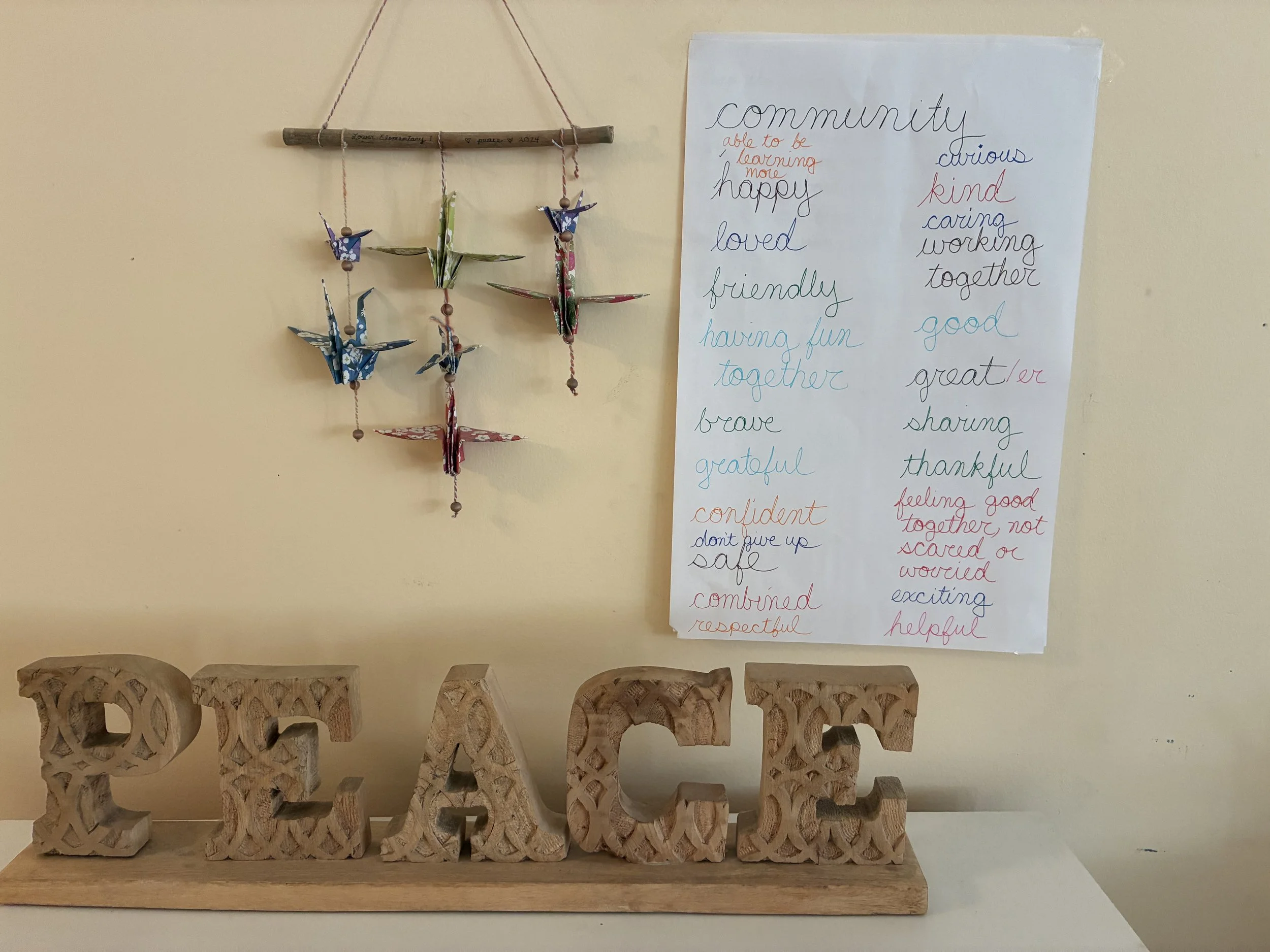
The first few weeks in Lower Elementary classrooms (ages 6–9) are when a class builds its community. In our gatherings at the beginning of the year, we talk about how we want to feel in our classroom and what each of us needs to do so that everyone can feel that way. The children’s answers become the basis of our community agreement: the freedoms and responsibilities everyone in our community has so that we can joyfully learn and grow together. Because children stay with the same teacher for the full three-year cycle, the community they build in these first weeks is one they will live in for several years. Here are examples of some of the children's ideas from our discussion.
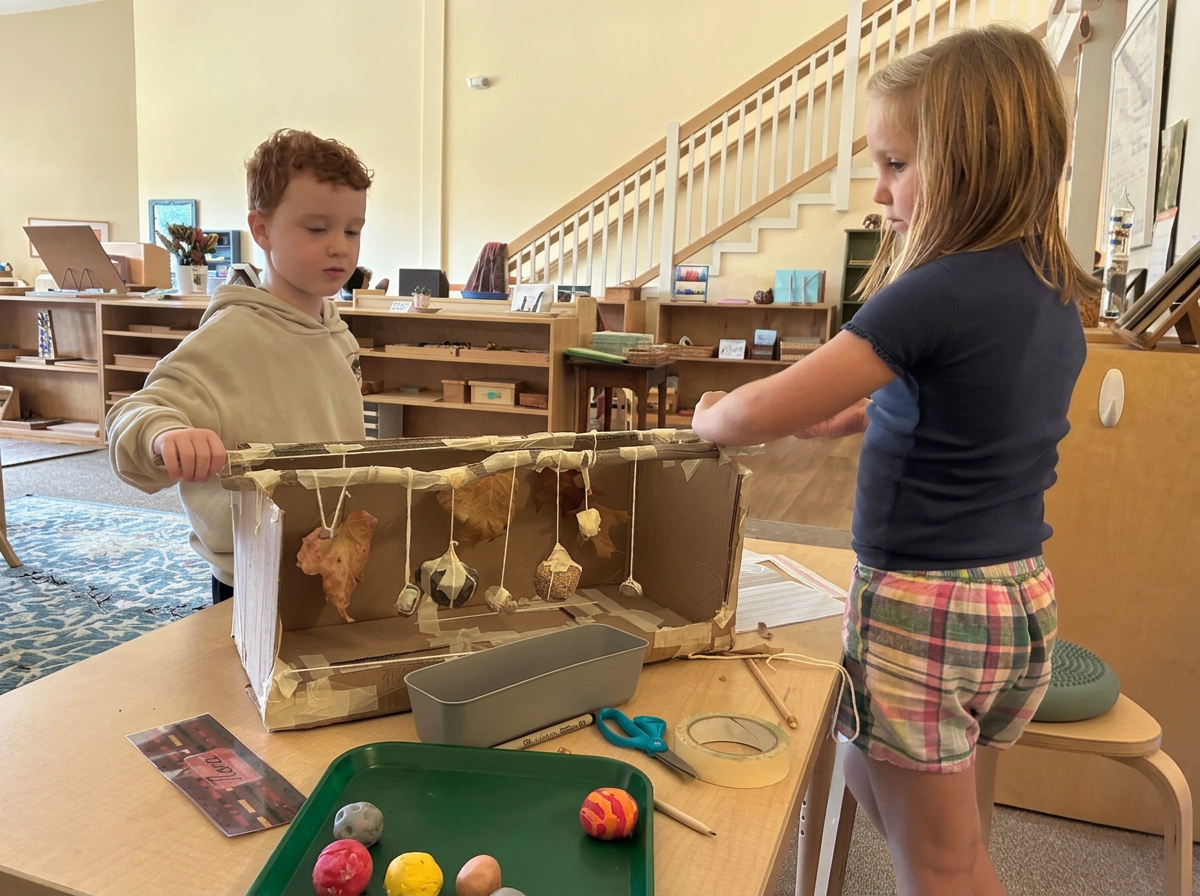
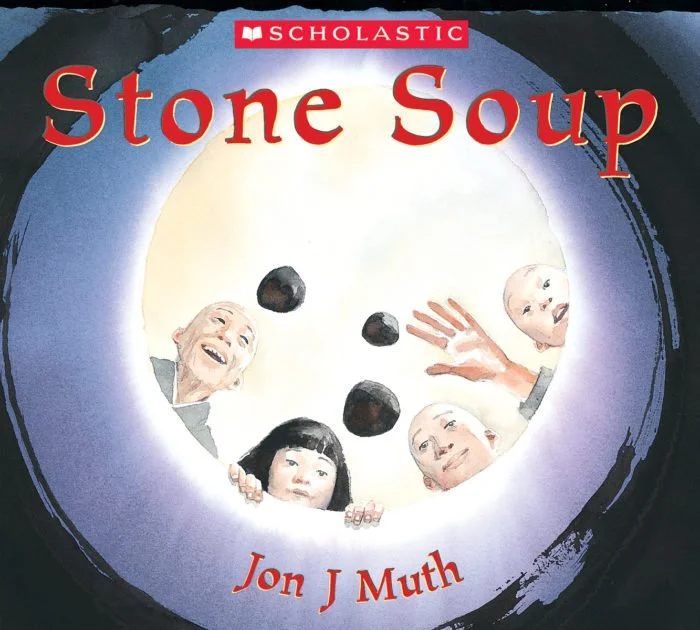
Early in the year, we thought more about community while reading Jon Muth's retelling of Stone Soup. At the start of the story, the villagers are suspicious of one another. One day, three mysterious monks arrive in the village and show them how to make soup from stones. By the end of the story they are all happy and connected because each of them has shared what they have and worked together to make something delicious. Each villager added something, and they got to sit down to a meal they all made together.
Just like the villagers, the class made its own version with a fruit salad—each student brought in a fruit, and together they combined them into a lunchtime treat for the class. It was like the Stone Soup because everyone in our community shared and worked together to make it. After lunch, one of the students said “The people were sad because they weren't sharing. When they started to share with each other, they started to be kind and their kindness grew and being kind and sharing made them happy again.”