Elementary

The Purpose of Montessori Overnight Trips in Upper Elementary

The Purpose of Montessori Overnight Trips in Upper Elementary

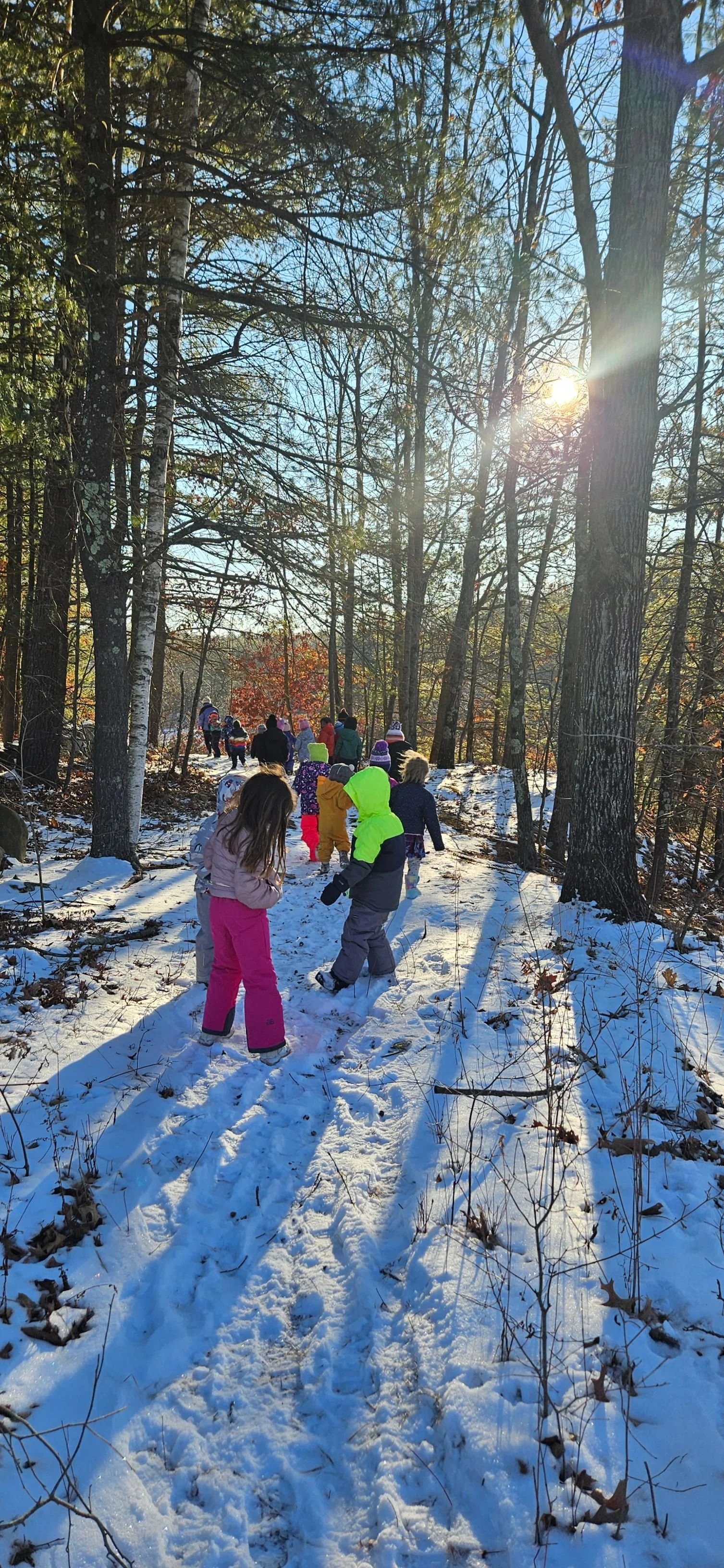
This fall, our Upper Elementary students (ages nine to twelve) spent a few days away from campus at Outdoor Classroom’s Ocean Park site in Maine. The children explored the forest, the salt marsh, and the beach. They encountered wildlife, made nature art, played team-building games, ate and served family-style meals, and learned about the environmental impacts of food and water waste. While an overnight trip can look like a break from learning, for children this age, it is part of the work.

Creating Community in Lower Elementary

The first few weeks in Lower Elementary classrooms (ages 6–9) are when a class builds its community. In our gatherings at the beginning of the year, we talk about how we want to feel in our classroom and what each of us needs to do so that everyone can feel that way. The children’s answers become the basis of our community agreement: the freedoms and responsibilities everyone in our community has so that we can joyfully learn and grow together.

Learning Responsibility in Elementary Classrooms

Learning Responsibility in Elementary Classrooms

Elementary-aged children need a feeling of responsibility, and the need to be active contributors to their community; whether that community  is their family, a group of children they are working with at school, all of the people in their classroom, another group like Scouts or a sports team, or even humanity as a whole. Learning how to care for their environment is one way that Elementary children practice responsibility to themselves and others.

The Upper Elementary Keeps Us Up To Date

The Upper Elementary Keeps Us Up To Date

At the beginning of this year, some of the oldest students in Upper Elementary had the idea of reviving a school newspaper that had been written by UE students in the past; they remembered getting the editions of the “HMS Press” when they were in Lower Elementary, and they wanted to start it back up. What a big work they were about to embark upon!

An Exciting Time to Learn about the Government!

An Exciting Time to Learn about the Government!

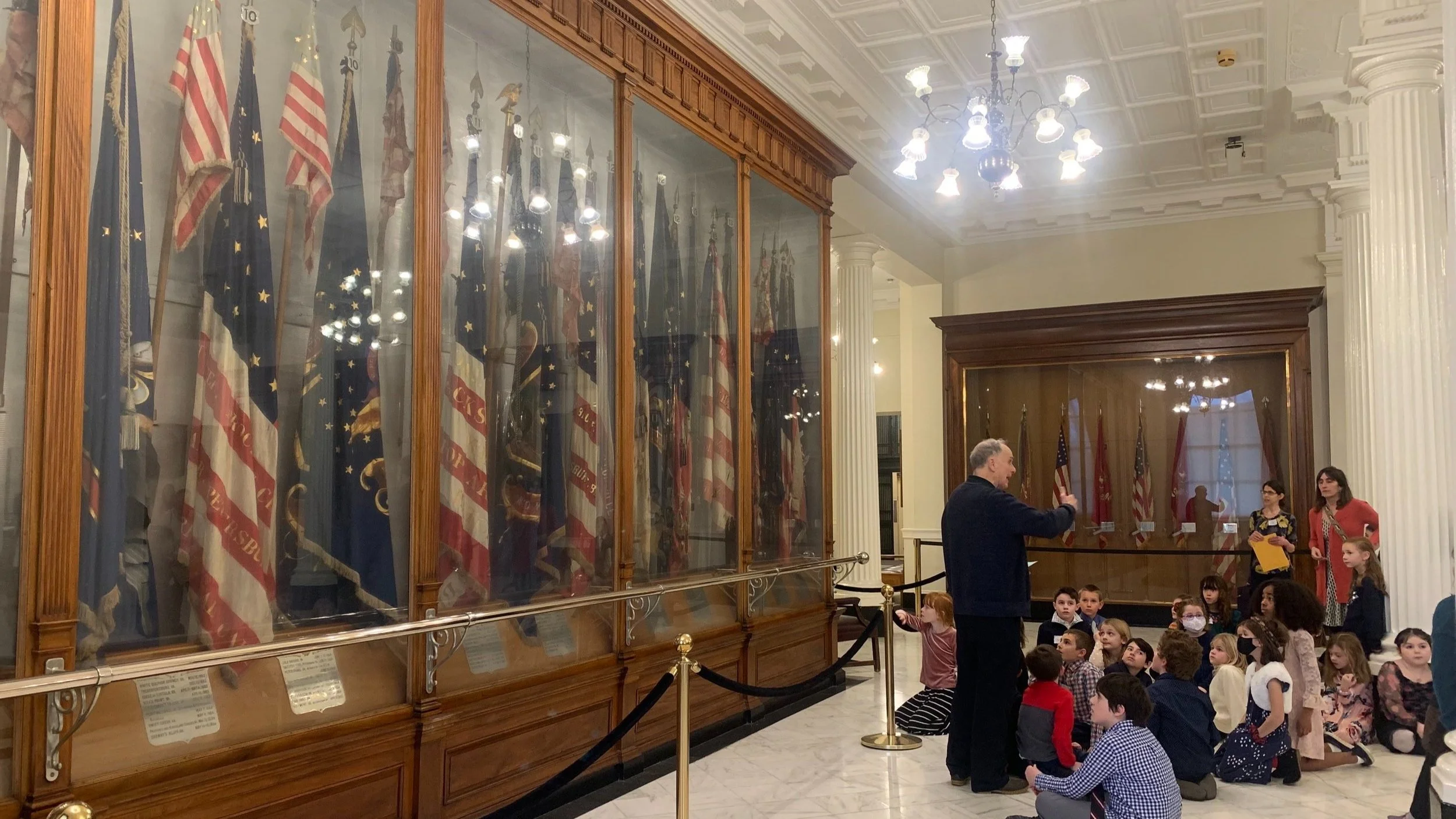
What an exciting time to learn more about government! It seems to be working its way into all levels here at HMS. Last week, the Lower Elementary community went on a wonderful field trip to the New Hampshire State House in Concord. This is a politically charged time of year, and with the Presidential election coming up this year we really wanted to spend some time learning and thinking about how our government works. We are so fortunate to be close to Concord, and jumped at the chance to see this government building in action.

Doing Her Civic Duty

Doing Her Civic Duty

The first time I went to Hillside Middle School to cast my vote as a resident of Ward 2 in Manchester, NH, I noticed that all of the workers appeared to be older, probably retired residents of our community. I couldn’t help but notice that there were no younger members of my local community among them. I asked the ward moderator how one would become a person who works at the polling place on Election Day, and so began my entrance into the Ward 2 election worker community.  I’ve worked ten elections now, first as a volunteer ballot clerk and later as an elected official, one of three selectmen in our Ward. I’ll admit: it was incredibly exciting to see my name on the ballot…

Going Out

Going Out

Imagine if the whole world was your classroom. Within the walls of the school, we have a prepared environment that sets the stage for our students to learn. But for elementary children, who are intensely curious about the world, what is within the classroom is not enough. In order to answer their many questions, students in the elementary often need to look to resources beyond the classroom and their families.

Observations on Observing

Observations on Observing

Ever wonder why this newsletter is called The Observer? It’s because observation is such a fundamental part of Montessori education. At Hollis Montessori School, evaluation of student progress relies heavily on the guides’ observation of students’ work and activities in the classroom. In addition, parents are strongly encouraged to observe their children’s classrooms and the work that goes on there.