Parenting

Raising a Reader

backtoschool.jpeg

Over the years, study after study has proven the importance of emphasizing reading in the lives of young children.  The benefits are numerous and varied, and you can learn about just a few of them here. You have no doubt heard the advice before, but here are four simple steps to raising your child as a reader.

1. Read aloud to your child

If you don’t already, now is a great time to start.  Regardless of their age, reading aloud to your child every day will make a huge impact.  Babies begin to learn early language by hearing a parent read.  Toddlers and preschoolers increase their vocabulary, which helps them excel in the classroom.  Elementary-aged children can listen to your voice to learn about fluency, pace, inflection, and emphasis as they begin to read aloud.  Even preteens and young teenagers stand to benefit from reading aloud if they’ll still let you (many will!); reading together as your child gets older is an opportunity for bonding and to discuss a wide variety of topics.

The key?  Make reading aloud part of your routine.  Many families squeeze it in at bedtime, but find a time that works for you.  Mixing it up can keep reading fun.  Explore picture books and chapter books, Caldecott and Newbery winners, or delve into an author study.  Make sure the books are something you both enjoy and you will both look forward to the experience.

2. Let your child see you reading

Specifically, let your child see you reading for pleasure.  As a busy parent, it can be easy to let enjoyable reading slip to the wayside, but modeling the habit will help instill it in your child.

One simple way to make this happen?  Set aside some family quiet reading time on the weekends.  Everyone can get comfy, gather up their books, and sit together while doing their own reading.  This may be tough to do in the beginning, especially for little ones, but with some practice you may all come to love this special ritual.  Two pro tips: grab some snacks and use a visual timer.

3. Support their gradual independence

At some point (often during first grade but there is plenty of variability) your child should begin reading to themselves for 20-30 minutes each night.  As with any other skill, this doesn’t happen overnight, and takes lots of support and incremental steps toward independence.

If your child isn’t reading yet or is resistant to reading, don’t push it.  The goal is to keep reading fun.  If you have specific questions about your child’s progress, their teacher is your best resource.

If your child is starting to read on their own, take it slow and don’t expect too much at once.  Some ideas:

  • Read a familiar book (rhyming books work best for this).  Point to the last word on a page without saying it and let your child chime in.

  • Take turns.  To prevent fatigue, try alternating pages.  You read a page, your child reads a page, and so on.  

  • Utilize a combination of read aloud and read alone time.  You may read one picture book or a chapter, then send your child off to bed to read to themselves until it’s time to go to sleep.

  • Designate specific read aloud and read alone days of the week.

  • Remember that everyone has tired and grumpy days.  Sometimes we all need a break!

Another great way to support early readers is to suggest strategies or point out when you notice they are using them.  Pictures can help us figure out words we don’t know.  Breaking a word into chunks is another helpful strategy.  Asking ourselves, “Does that make sense?” is a good idea.  Even the act of noticing when we’ve made a mistake, and going back to reread is the sign of a great reader.

4. Help them discover books they love

The best way to raise a reader is to surround them with books they love.

Some parents may balk at this.  After all, do we really want to encourage those books about bathroom humor, or graphic novels that have more illustrations than words?  Yes!  We do!  Many graphic novels today and visually stunning but also great examples of a newer style of literature.  As for the potty joke/unicorn puppy/tv character books?  Treat them like you might treat candy.  Explain to your child that we all enjoy a little junk once in a while and that’s okay, but we need to balance our reading diet just like we balance our food diet.

What is your child interested in?  Nonfiction is often a great place to start.  There are books written for all interests and it’s often easy to find them at all reading levels.  As time goes on, you may notice your child gravitating toward a particular genre or author.  Go with the flow!  Their interests will change over time, but we can all remember a time when we couldn’t stop ourselves from soaking up every book we could in a series.

Introducing our children to a wide variety of genres is a good idea.  Think beyond fact and fantasy!  Try out some realistic fiction, historical fiction, poetry, folktales, myths and legends, or even a play script.  

There are lots of great ways to keep your collection fresh without breaking the bank.  Visit your local library, check out second-hand bookstores, have a book swap with friends, or organize a used book sale.  

We hope these tips have been helpful.  Do you have any you would add to the list?

Wishing you all many beautiful years of reading with your child!

5 Fun Ways to Bring the Outdoors Indoors

image-from-rawpixel-id-90813-jpeg.jpg

It’s no surprise that we tend to spend more time indoors during the winter than we do during the warmer months.  While your kids may have a blast playing outside some of the time, they will inevitably get cold at some point and need to come inside.  The good news is that doesn’t mean their experiences with the outdoors needs to stop!

Here we share five fun and simple ways to bring nature inside.

1. Snow play for the littlest ones

We are full advocates for the Scandinavian saying: “There’s no such thing as bad weather, only bad clothing.”  Everyone has their limits, however, and you may not be keen on taking your infant out in sub-freezing temperatures.  

The solution?  Bring a little bit of the white stuff inside for them to explore.  This idea is really as simple as it gets, but can provide your baby or toddler with an interesting and enriching experience.  Grab a tray, a sturdy bowl, or even a heavy baking dish, and put just a few handfuls of snow inside.  Set it on a floor surface that you don’t mind getting a little wet and invite your child to explore.  A large bath towel underneath can make the whole experience a little more comfortable for them and make cleanup even easier for you.

(In the meantime, you can send older kids outside to try out some of these cool snow experiments.)

2. Plant a few seeds

It may not be prime gardening season, but the warmth inside should be enough for this fun activity.  Keep in mind the point is just to grow something; don’t worry about producing edible vegetables or gorgeous blooms.  Gather a few materials:

  • A container - preferably a small pot with adequate drainage, but anything similar will do

  • Some soil - you can pick up potting soil at your local garden center if the ground outside your house is frozen

  • Seeds!  These can really be anything.  Perhaps you have some leftover bean seeds from last year’s garden.  Maybe you have some dried lentils in your pantry.  You could even save a few seeds from that pepper you cut up for dinner.

Find a warm, sunny spot in your home and have your child help you plant, water, and observe the seed.  You can read books together about plants, research the specific plant you’re growing, or even tie in some math with measurement and data collection.

Feeling inspired?  This is a great time of year to begin planning your spring garden!  Children will love helping to draw out plans and look through seed catalogs.

3. Create natural tablescapes

Everyone appreciates a beautiful centerpiece.  Why spend money on flowers wrapped in plastic when you can find beauty in your own backyard?  On a not-so-chilly day, take a walk with your child and collect beautiful pieces to arrange.  Using a vase (or even a mason jar or glass milk bottle), proudly display what you find.

Keep an eye out for:

  • Interesting branches (birch and dogwood have unexpected color, but regular brown colored branches are just as pretty!)

  • Evergreen foliage - pine, holly, and other types of shrubs and bushes can give your home a beautiful green look

  • Dried berries and flowers

  • Pinecones

Once inside you can add candles, ribbon, or whatever else you have lying around.  Ask your kids to come up with ideas, too!

4. Make something for the animals

Ice, snow, and frigid temperatures can make finding food difficult for wild animals.  Have fun making treats for them while also cultivating a sense of generosity with your children.  

Remember covering pinecones with peanut butter and birdseed when you were a child?  Birds still love them.  Try this fun and super simple activity with your own children!  Find whatever string or yarn you have and hang them from nearby bushes and trees.

Another fun project: pop up a big batch of popcorn, and using a needle and thread, make a long string to hang.  This activity is great for older children, and as a bonus they can snack while they create.

Looking for more ideas?  Check out this site.

Wondering whether it’s a good idea to feed the birds?  Here’s what the Audubon Society has to say about it. 

5. Set up a bird watching station

All those bird treats you made together?  Put them on double duty: set them up in a spot where your children can see the birds out the window and you can create hours of entertainment.

If you happen to have a window that looks out toward trees or bushes, it may just be the perfect spot to try and attract local birds.  Set up some bird feeders or homemade bird treats and wait for them to come.  Meanwhile, set the scene inside as well.  A comfortable chair or pillow on the floor will encourage children to sit and watch.  Visit your local library and borrow a few bird-specific field guides to help with identification.  Other fun items to leave nearby: a pair of binoculars, a sketch pad and colored pencils, or a journal.  

Enjoy!

What does your family do to appreciate nature during the winter?  

Happy New Year!

newyear.jpg

New Year’s Eve can be a really fun night for adults and kids alike.  There’s something special about a fresh start and finding ways to celebrate as a family has the potential to establish traditions and make memories.

Whether you already have plans or not, read on for some fun facts and ideas!

Go out or stay in?

One time-honored way to celebrate the new year is to hire a babysitter and head off to a party.  This can be a fun way for busy parents to reconnect with a partner, catch up with friends, and have a little fun.

If you plan to spend the night with your kids, you still have options: stay home for a night of celebrating or attend local festivities.  Many cities and towns have their own first night celebrations - if you have never been, you are in for a treat!  Activities and sights might include live music, ice sculptures, street performers, face painters, and of course, plenty of tasty food.  Some events even include a fireworks display.  One benefit of taking your younger children to a first night event is that they can participate in the festivities, and still get home for a reasonable bedtime.  

One last (really great) option is to stay home for the night and celebrate.  This is a great idea for all ages; little ones get the rest they need, older kids can invite friends over to join in the fun, and there’s a whole lot less pressure on the adults.  Add in a few games and snacks, and maybe watch the ball drop on the TV, and the night will surely be a success.  We share more fun ideas toward the end of this post.

Traditions around the world

People across the globe celebrate the new year in a variety of fascinating ways.  Here are just some of the many traditions:

  • In some parts of Brazil, it’s customary to head to the beach and jump over seven waves for good luck in the coming year.

  • Buddhist temples in Japan ring their bells to celebrate. The interesting part is they ring them 108 times, to symbolize the number of human desires - which lead to human suffering - in order to alleviate some of that suffering. Eating soba noodles is another tasty tradition!

  • One of the more famous international traditions takes place in Spain, where twelve grapes are eaten during the twelve strokes of the clock at midnight. The catch is you must finish them all before the clock finishes chiming for good luck during each month of the coming year.

  • The Dutch eat a donut-like dessert called olie bollen. Its ring shape is meant to symbolize coming full circle.

  • Many places, like the United States and France, look to champagne as their drink of choice on New Year’s Eve. People in parts of the United Kingdom enjoy Wassail (a type of hot mulled cider) instead. Russians like champagne, but they write a wish on a piece of paper, burn it, and toss it into a glass of bubbly that they must then drink.

  • In Greece, a special sweet bread is made to be eaten at midnight. A single coin is baked within, and the person who gets the piece with the coin is considered lucky. Greeks also hand an onion from the doors and wake their children in the morning by tapping them with it!

  • In the Philippines, circles are important and lucky; people eat plenty of round fruits for New Year’s to bring prosperity.

  • In Denmark, people save up all their old and chipped plates and dishes to throw at each other’s front doors on New Year’s Eve. The more shards on your doorstep in the morning, the better. In South Africa they throw old appliances out the window.

  • Red is a lucky color in Chinese culture, and many families make sure their front door is painted red for the new year.

  • The Swiss drop dollops of whipped cream on the floor - intentionally - to wish richness into the new year.

  • In Estonia, eating is serious business when ringing in the new year. Seven, nine, and twelve are all lucky numbers, and you must choose one of the numbers and eat that many times.

  • In Finland, tin is melted and dropped into water. The shapes the hardened tin create are meant to represent what the new year will bring.

  • The Scottish call their celebration Hogmanay, which involves swinging balls of fire, enthusiastic parades, and a special tradition regarding whoever steps first over the threshold of a home in the new year.

Fun family ideas

So you’ve decided to stay in and have fun together as a family?  Looking for ideas that will help make memories?  Look no further…

Food!

Eating tasty snacks is half the fun when it comes to celebrating.  Here are a few ideas to help break away from your typical nightly routine.

  • Appetizers for dinner - brainstorm everyone’s favorite snacks, make up a bunch of plates, and leave them out to munch on throughout the evening. Think cheese and crackers, veggies and hummus, cut fruit, chips and dip, or perhaps something a little more fancy.

  • Cook a fancy meal together. Flip through your cookbooks and choose something that sounds good to everyone. Even the youngest children will have fun mixing and measuring. Set the table, light some candles, and feast in great company.

  • Mix up some mocktails. A little juice plus a bit of seltzer, with a few pomegranate seeds tossed in, and you have something special.

Fun!

Pass the hours away enjoying each other’s company and having a few laughs.

  • Break out the board games. With the whole night ahead of you, what’s the rush? Whether it’s CandyLand or Monopoly, or a silly made-up card game, your children will remember this quality time spent together.

  • Have a movie marathon. Rewatch your favorites or try something new. Even better? Share one of your childhood favorites with your kids.

  • Make New Year’s Eve crowns, using whatever you have on hand. It can be as simple as cut paper and markers, or you can add stickers, glitter, or whatever else you and your children come up with.

  • Plan out some family fun for the coming year. Set goals, dream about vacations, or figure out what projects you want to do together around the house.

Countdown!

If you plan on staying up until midnight, figure out a fun way to ring in the new year.  Countdown from ten together, add in some noisemakers, and shout out Happy New Year!

May 2020 be a great year for us all.  

It’s Okay to Set Limits

limits.jpeg

As parents today we are bombarded with advice, ideas, suggestions, and rules on how to be the best parents we can be for our children.  Some change is good; emerging research tells us more and more about human development and how our brains work, and making progress as a society is always a good thing.  Still, it can be hard to weed through the good ideas and those with good intentions that don’t really serve us or our children.

Giving children choice is important.  Respecting children as autonomous human beings is important.  We should recognize that even though they are young, their lives are not ours to live.  Their dreams are not ours to fulfill.

So, we give our kids choice.  We let them make their own decisions.  We honor their growing independence and understand that their ideas may sometimes (often) conflict with our own.  And we try to be okay with that.

But should we let our children do whatever they want all the time?  We would argue that no, that is a very different scenario.  Giving choice is one thing, neglecting to set any boundaries is something altogether different.

What do children need?

In order for a child to strengthen their sense of independence they need to be able to make their own decisions, but they need to make these within a framework that feels safe.  As kids learn and grow, they need to be able to take risks and make mistakes; after all, making mistakes is one way we learn.  It is critical, however, that we keep give our children boundaries within which they are able to make choices.

As children grow and develop, it is critical that they form bonds with adults in their lives that are trusting and secure.  Our kids really do test us sometimes; they push against the rules we set because they are seeking a sense of how strong our limits are and whether or not we mean what we say.  Giving guidance and setting boundaries isn’t just okay, it’s critical to letting our children know we are here for them and care about their well being.

In short: kids need choice.  They also need those choices to fall within limits that keep them safe, both physically and emotionally.  When they’re younger, they need fewer choices and more limits.  As they grow, we increase the choice and decrease the limits.  This way, once they are fully mature adults, they have had plenty of time to practice making decisions prior to any expectation that they actually do so successfully on their own.  Isn’t that what childhood is all about?  Human children are able to experience a joyful period of time in which we get to practice becoming a responsible adult.

What does this look like in our classrooms?

Montessori classrooms are carefully prepared environments with built-in choices and limits.  Some examples of how we achieve this balance:

  • Furniture is arranged so that children are free to move around, but most classrooms are devoid of large open areas that might encourage running in such a confined space. Those shelves are placed with intention!

  • Materials on the shelves are rotated frequently. Children may only access what is available to them. Materials that we do not want the children to have access to are kept stored away in a cabinet or closet.

  • The snack table might be just large enough for two chairs. We want children to eat and socialize when they choose, but we also know that if there is space for ten children to do so at once, the activity may become disruptive and lose its original intent.

  • Older children may utilize work plans. This enables them to determine the pace, order, and details of their work, but requires them to be accountable for completing all desired tasks within a specified amount of time. For example, a child may be asked to complete a range of math, reading, and biology work within a given timeframe, but there is plenty of choice in how they accomplish the goal.

  • Children in Montessori classrooms do not typically have to ask permission to use the restroom. Instead, we create structures so that they may do so safely whenever the need arises. Some schools have restrooms located within the classroom, others have hall passes available, or hold class meetings to discuss procedures with the children.

What might this look like in our homes?

If your family is new to Montessori, it can sometimes take a bit of time to shift ideas and expectations.  Once you do, however, it’s hard to imagine doing things any other way.  Some ideas to get you started:

  • Allow your children to make decisions about what they wear. For older babies and toddlers, this may be as simple as allowing them to choose between two different color shirts. For older children, you may just set guidelines, such as their clothing must be appropriate for the weather.

  • If you need your child to get a few things done, let them choose the order. For example, ask them if they would rather take a bath or make their lunch first. Be clear that your expectation is that they will do both, but that you value their opinion and want to let them help decide how to spend their time.

  • Define boundaries when your child is struggling with emotions. It’s great to let your child feel whatever they are feeling, but that doesn’t mean they should mistreat those around them when they are frustrated or angry. “I see that you are frustrated. It’s normal to feel that way but you may not scream in our house. Here are some other ways to express that feeling…”

  • Have frank and open discussions with your older children. Have you been feeling like they’re overdoing it with video games or staying out too late? Tell them what your concerns are, what your limits are, and solicit their ideas with solutions. Rather than implementing sudden new rules, engage your older children in problem solving talks until you come to a conclusion you can both live with.

We hope this post has been helpful and inspiring.  In a world of permissive parenting and misunderstandings about what Montessori really means, it can be easy to get caught up in giving in to our children’s every desire.  The good news is, you don’t have to.  Our children look to us to be the adults in their lives.  Each and every child deserves adults who love and respect them for who they are.

How to Guide Your Child Through Their Emotions

emotion.jpg

Human emotion.  We are so very lucky to each experience such a wide-ranging set of feelings, but that experience can be quite the roller coaster!

As adults, our own emotions can sometimes get the best of us.  How might we help our children find healthy ways to navigate through their own?

Choosing a title for this post was tricky.  Do we want to teach our children how to control their emotions?  Is manage the right word?  Should we encourage some emotions and discourage others?

Let us begin by stating that infants and young toddlers naturally rely on trusted adults to help them with their emotions.  They will look to you for physical comfort and solutions to their problems.  As they get a bit older, however, we can gradually guide them to begin tackling their emotions on a more independent level.

Our emotional experience is such a nuanced journey.  There’s no wrong way to feel, and suppression of emotion is never a long-term solution.  When it comes to emotion, we like to think a three-step approach is helpful.

  1. Accept

  2. Observe

  3. React

Accepting our emotions can often be the hardest part!  Especially hard for adults, we often deny the presence of certain emotions because we have been taught that some are better than others.  We can make sure our children don’t feel the same pressure by reminding them - often - that there is no wrong way to feel.  Our emotions are simply emotions.  They don’t define who we are and are simply normal responses to events that happen in our lives.  They serve many purposes and can teach us plenty about ourselves, other people, and even the world around us.

Let your child know that it’s okay to feel frustrated.  Let them know that sadness and anger are normal.  The same goes for intense joy and love. 

One way to accept an emotion is to name it.  Keep it simple; one word is plenty.  If your child is feeling too deeply or hasn’t had enough experience to name the emotion themselves, supply the word you think they might be searching for.  “You seem angry.”  State it as a fact, without judgement or solution.

Once we have accepted the emotions we are feeling, it’s time to observe them.  To guide your child through this step, it’s best to talk about the process when emotions are not high.  Have a conversation over dinner or during a relaxing cuddle session.

How do we observe our emotions?  We step back and look at the emotion as if it is something separate from ourselves.  We know - this concept is hard enough for many adults to attempt in the heat of the moment.  How can we guide children to do this?

Ask them where in their body they feel the emotion the strongest.  Some of us feel queasiness in our stomachs, pounding in our hearts, lightness in our heads, tightness in our shoulders, or a myriad of other possibilities.  Ask your child to think about where they physically feel the emotion in their body, then encourage them to focus on that feeling.  Does a pounding heart feel pleasant?  Of course not!  At least not in the presence of uncomfortable emotions.  

How might we react to what we have noticed?  Leaning into those feelings and allowing our emotions to run their course is truly the healthiest approach, and it’s more likely to help negative feelings pass more quickly than if we were to resist them.  Tell your child that it is normal to feel how they are feeling, and to let their body feel the way it needs to.  Ask if you can help (sometimes children like to be held, have their back rubbed, etc.), but know that we won’t always be able to.  

Leaning into our feelings is one way to react, but there are other equally helpful and supportive methods that vary from person to person.  Again, during a time of calm, talk with your child about specific emotions.  Ask them what might help them while they are in the midst of an experience.  If a child is inclined to scream, how might they find a healthy way to fulfill or counteract that impulse?  Could they sing instead?  Could they learn to identify clues that come before a strong emotion and react to those instead?

Consider what healthy reaction options would work for your family and talk about them together.  Establishing what is okay (asking for a moment alone) and what is not (hitting a sibling) helps to set your child up for success.

Looking for more information on this topic?  Here’s a great article.  We really loved the part about how we, as adults, can use our own mistakes as teaching points for our kids.

https://www.psychologytoday.com/us/blog/compassion-matters/201201/tips-helping-kids-handle-their-emotions

This great piece includes lots of activities for practice, and even suggests using picture books as models for identifying emotions and reactions.

http://csefel.vanderbilt.edu/familytools/teaching_emotions.pdf

We would love to hear if you have any success with these steps, or if you have any further questions/ideas!

Fall Family Fun

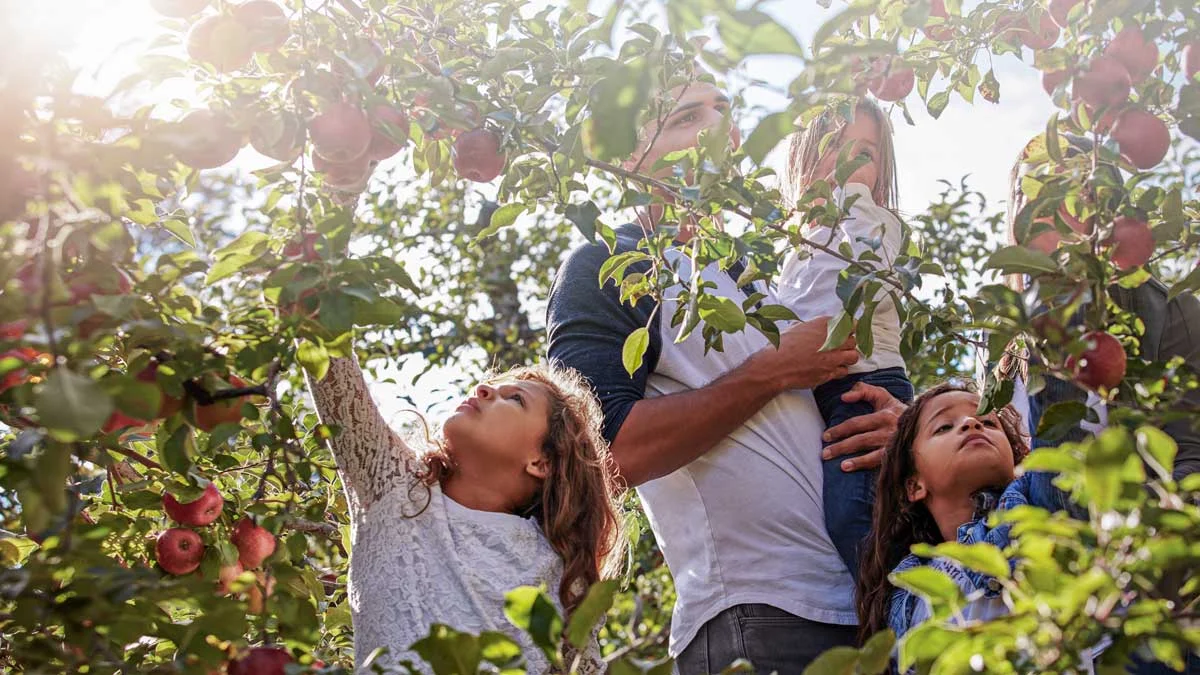
apples.jpg

Today marks the fall equinox, one of two days during the year in which both the northern and southern hemispheres of our planet receive the same amount of sunlight (the other day is the vernal, or spring equinox.)  The rest of the year the tilt of Earth’s axis makes for an uneven distribution of the sun’s rays, therefore giving us the seasons of summer and winter. Just a note: our seasons do not actually come from Earth being closer or farther away from the sun, which is a common misconception.)

Now that we have gotten the fun science bit out of the way, what does this have to do with our children?  We believe fall is a great time to tune into the changing seasons and just enjoy time together.  Here are five ideas to get you started:

1. Get that yard work done.

Children - especially young children - love to help their parents.  They want to be like their parents, so they take every possible opportunity to copy what you do.  Take advantage of this developmental characteristic and teach them how to do basic yard work!

Will your 4-year-old be able to efficiently assist you in raking the leaves?  That’s doubtful, but they can stay occupied, get some fresh air and exercise, and have a blast while you’re busy taking care of a necessary job.  They certainly won’t mind helping you jump in a raked pile, either!  Any last-minute weeding or harvesting that needs to be done in the garden?  Invite your child along to learn and try it for themselves.

A note regarding tools: it is preferable to provide children with real, child-sized tools for all sorts of tasks, including yard work.  The link below includes yard and garden tools from For Small Hands, but it is also possible to find similar items at local garden stores. (We typically have a fundraiser from this catalog in the fall. Stay tuned!)

https://www.montessoriservices.com/practical-life/yard-garden/yard-garden-tools

2. Head to the kitchen.

There are so many great flavors to savor throughout the fall.  Why not cook and bake together why you try them all?  Here are a few fun recipes:

Super simple acorn treats 

https://likemotherslikedaughters.com/2018/09/03/fall-acorn-treats-super-simple/

Healthy baked spaghetti squash

http://cookingwithmykid.com/2010/11/01/baked-spaghetti-squash/

Trail mix bites to take on that fall hike

https://www.delish.com/cooking/videos/a57691/monster-trail-mix-bites-video/

Baked apple cider donut holes

https://www.livewellbakeoften.com/baked-apple-cider-donut-holes/

Tasty pumpkin bread

https://www.allrecipes.com/recipe/6820/downeast-maine-pumpkin-bread/

Basic applesauce recipe

https://thestayathomechef.com/how-to-make-applesauce/

3. Be creative.

Art is a great idea any time of the year.  Try these fun activities to enjoy being creative, fall-style.

  • Lanterns - Collect several glass jars, some fall-colored tissue paper, wire, and either white glue or liquid starch. Cut the paper into small pieces. The pieces can be irregular shapes, but they should be roughly between 1” and 2” square. Water down the white glue or use the liquid starch as is. Paint a layer on the glass, sticking small pieces of paper to it as you go. Another layer of glue on top is a good idea. Once dry, use the wire to wrap around the lip of the jar and create a candle. Either a small tea light or battery-powered light can go inside for a fun evening walk.

  • Nature art - Using found objects, create environmental art outside. Before you begin, discuss with you child that the nature of environmental art is not permanent so that they don’t feel disappointed if it blows or washes away. Consider arranging items like sticks, fallen leaves, dead flower petals, seeds, rocks, and whatever else you come across!

  • Whip up a batch of this pumpkin pie playdough: https://www.yourmodernfamily.com/pumpkin-pie-play-dough-diy/

4. Make a scarecrow.

Whether you choose to display your scarecrow in the garden or use it as a seasonal decoration, your children will surely have a blast helping create it!  Gather some old clothes, a bit of hay, and check out this video for ideas to get started.

5. Enjoy local produce.

Finding ways to purchase and eat local produce is a positive experience for you and your children in so many ways.  A few of the perks:

  • Produce grown closer to home is fresher and contains more nutrients.

  • You help support small businesses in your community.

  • Pick-your-own options are a fun activity to do on a nice day.

  • Physically going to the farms gives children a concrete sense of where their food comes from.

  • You’re likely to run into other families you know and/or meet other families with children.

Perhaps you already have a CSA share that you pick up weekly.  Maybe you love to go apple picking.  Local farm stands are likely to have plenty of fresh greens available this time of year, and a variety of squash are either already abundant or will be soon.  Options are plentiful!

We hope this list has given you some ideas to get started, although we would love to hear any more you might have.  Enjoy your week!

7 Ways to Encourage Independence

independence.jpg

You probably know that encouraging independence is a hallmark of Montessori education and parenting.  The best way to teach our children to do things for themselves is to create supportive structures in which they can gradually depend on us less and less.  You may be wondering exactly how to do this, and we are here to help!  Try these ten handy tips to get started:

1. Allow your child to dress themselves.

As soon as they are ready, young children should physically dress themselves, even if it means allowing extra time for them to do so.  Even toddlers can begin making choices in regards to their clothing.  Start simple with your littlest ones.  For example, you might ask if they would rather wear their yellow shirt or their pink shirt.  Another option might be setting out five outfits for the school week and letting them pick which one they will wear on any particular morning.  As children get older, it’s okay to give them general guidelines before stepping back and admiring their unique self expression.  You may let them know that pants are a must on a cold day, but be sure to respect their desire to pair zebra-print leggings with a plaid dress.  Enjoy those adorable moments while allowing them to feel empowered by their own decision-making.

2. Teach your child skills they show interest in.

Does your child like to watch as you fix the fence and build shelves?  Figure out a simple woodworking project you could do together, and let them learn how to measure, saw, and hammer nails.  The same idea goes for crafts like knitting and sewing, outdoor activities like hiking and geocaching, electronics repair and computer programming, sports, and just about any other activity you can imagine.  Their first interests will likely be based on what they observe at home, but eventually they will branch out and want to try learning more skills.  As adults all we need to do is shed our preconceived notions of what young children are capable of; we are often surprised when they achieve much more than we expected!

3. Let them care for a living thing.

The simplest way to do this is to purchase a small, low-maintenance plant.  Keep it on a sunny windowsill and teach your child how to water it.  Some Montessori teachers use a clothespin method; whenever the plant needs watering, the adult places a clothespin on the rim of the pot as a signal to the child that they should water it.  As kids get older, we can teach them to feel the soil itself for dryness.

Already have a pet at home?  Find age-appropriate ways for your child to help out.  They might assist with brushing, feeding, watering, or walking, depending on their age and the particular pet.

4. Include them in household chores.

All children, even toddlers, should help out around the house.  This may actually make our jobs a little more challenging in the beginning, but they payoff will be well worth it.  Start with something simple, like teaching your two-year-old to fold washcloths.  Before you know it, your eight-year-old will be loading the dishwasher and your twelve-year-old will be mowing the lawn.  Participating in family chores gives children a sense of purpose in their (home) community.  If they start young, the concept of chores is boring or tedious, it’s a meaningful way to contribute “like a grownup”.

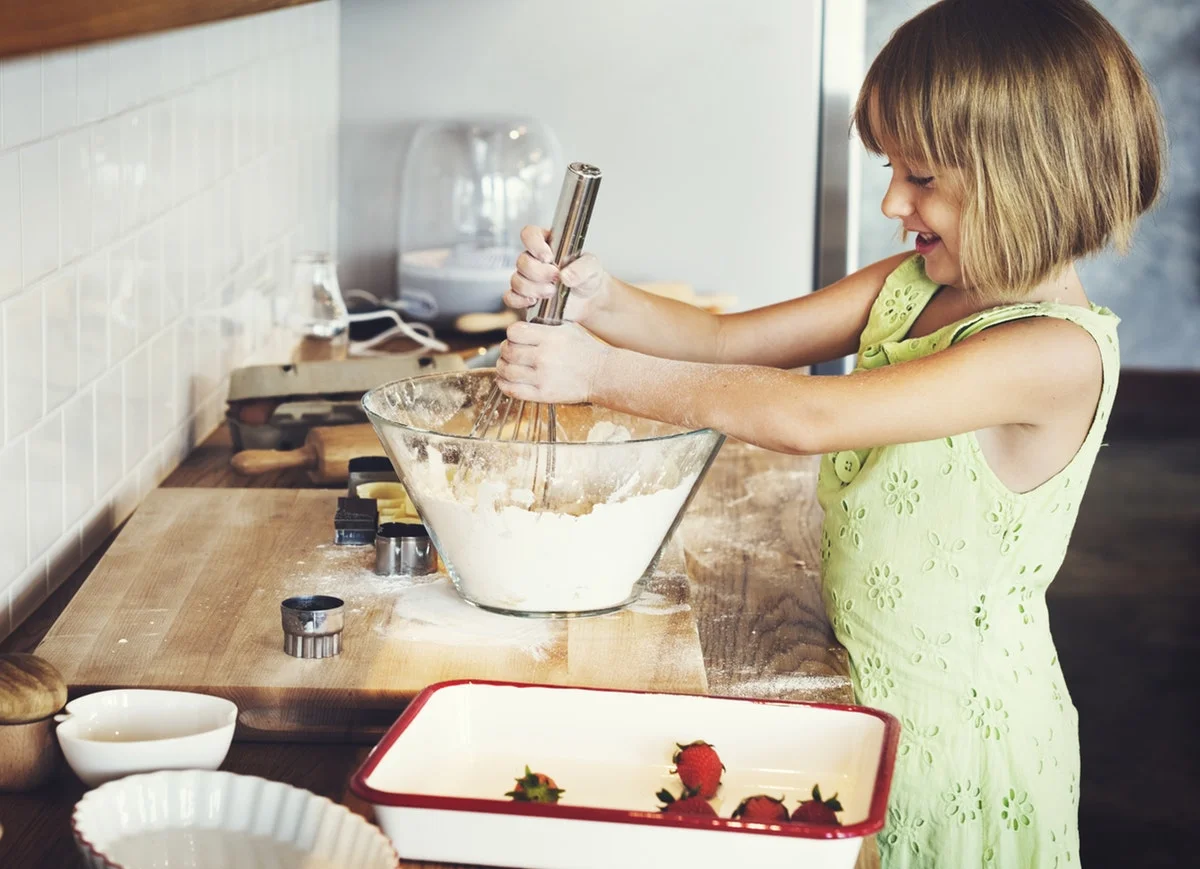
5. Give them opportunities in the kitchen.

Making dinner?  Baking for a holiday?  Packing lunches for tomorrow?  Get your kids involved.  If they have already been attending a Montessori school, they may surprise you with their spreading, cutting, and mixing skills, as these are taught and practiced regularly in primary classrooms.  

The act of preparing food for our families is an act of love.  Teaching children how to do this not only gives them skills they will need to be self-sufficient one day, but allows them to help give to their family members.  The benefits are endless:

  • Kids who cook learn a variety of math skills.

  • A child is more likely to try new foods if they have helped prepare them.

  • Cooking something challenging will impart a sense of pride and self-confidence.

  • Cooking together is quality time spent together.

  • Regular time in the kitchen may create happy memories.

6. Encourage bodily autonomy.

One critical and powerful mantra to repeat to your child early and often: “You are in charge of your body.”  This means we don’t force them to hug their grandparents or accept kisses from a pushy aunt.  This even means if they don’t feel like cuddling with us, their parents, they don’t have to.

Having power of decision over one’s own body is an important lesson to teach, and extends to others as well.  We teach our children that while they get to make their own bodily choices, everyone else does as well.  A good time to bring this up is when they are perhaps playing too rough and you need a break.  You can say, “I don’t want you to wrestle me right now, and it’s my body so I get to choose.”

7. Offer desirable choices.

This is where the all-important concept of freedom within limits comes in.  Montessori, and giving children choice, doesn’t mean that children get to make all the decisions.  It just means that we provide our children with a range of desirable options they get to pick from.  Some examples:

  • You need to get dressed and brush your teeth. Which would you like to do first?

  • Would you like strawberry or grape jelly on your sandwich?

  • Your room needs to be cleaned today. What time will you start?

  • Do you want to walk or skip to the car?

By giving choices within parameters, you can increase the chances of success for both you and your child.  This gives kids safe boundaries within which they can practice doing things for themselves.

We hope this post has been helpful!  If you have any questions or would like to observe how independence is encouraged in our classrooms, please give us a call today.

How to Support the Work of Your Child’s Montessori School

DSC_0036 copy.JPG

A fresh new school year comes with lots of excitement, and often lots of questions from new and returning families alike.  One of the most frequent questions we receive is, “How can we support Montessori education at home?”

First of all, we love this question!  We know that even busy families want to do what they can to support the hard work of their children and their children’s teachers.  We are here to tell you that your support means everything, and it honestly doesn’t take much to make a huge difference.

What you definitely do NOT need to do:

  • Purchase Montessori materials for use at home - in fact, we recommend strongly against doing so. Montessori materials were developed to be used in a very specific manner and using them with children requires intensive training. While there is certainly an allure to the beautiful wooden learning materials, we believe it’s best to allow trained and credentialed Montessori educators guide children in using them in the way they were intended to be used.

  • Buy any fancy organization systems (or really, buy anything at all) - Montessori at home need not cost a cent. Supporting the philosophy at home is more about a shift in approaches and perspective and less about buying more stuff to enrich the environment.

  • Push for academic achievement - we believe that with the right support and guidance, children make great strides in academic areas all on their own and in their own time. Learning is not linear and each individual requires the time and space to arrive at milestones when they are ready. Your child’s teacher will certainly let you know if there are academic skills that can be supported, but generally speaking, children work so hard at school it’s okay to let them take a break at home.

What is really helpful:

1. Learn about Montessori philosophy. There are lots of ways to do this! We hold regular parent education sessions at the school. These events can be great ways to connect with other families, spend time getting to know our staff, and also one of the best ways to learn more about what Montessori means and how it’s an excellent approach for teaching children.

In addition to attending parent education sessions there are other great resources out there.  One of the best books we recommend is Montessori: the Science Behind the Genius by Angeline Stoll Lillard.  This book is available in our lending library.

Great resource articles for parents from the Association Montessori Internationale/USA can be found here: https://amiusa.org/parent-resources/

2. Volunteer at the school. There are opportunities for all talents and schedules! Some ideas:

  • Chaperone on field trips/”going outs”

  • Help with school fundraising efforts

  • Serve as a parent coordinator committee member that supports the classrooms

  • Ask your child’s teacher what support would be helpful to them

  • Help out with special events

  • Give a presentation to children about your job

  • Pitch in with school gardening projects

3. “Follow the child.” What the Montessori approach really boils down to is honoring the child as a whole human being that is deserving of the same respect as any adult. Learning to shed our preconceived notions of what parenting and teaching means and considering new ways of doing things can be challenging at first, but the long-term benefits are substantial for everyone involved.

We want to inspire you to encourage your child to be more independent.  The more they can do for themselves (including making their own choices), the better.  Nurturing a sense of independence is empowering for the child and, believe it or not, less work for you!  Allowing children independence and freedom does not, however, mean they get to make all the decisions; there has to be a balance!  We will illustrate this concept further in an upcoming post. 

4. If you are happy with the education your child is receiving, spread the word! We believe that Montessori has the power to bring great change to the world, one child at a time. Our approach to education isn’t about memorizing facts and scoring well on tests; we aim to nurture kind, creative, and empowered members of society. The best way to expand our work is to reach more children.

If you’ve been happy with your child’s education at our school, reach out and let us know.  There are plenty of ways to leave reviews for potential families to read.  Spreading the word can also be as simple as talking openly with friends at your neighborhood birthday parties or weekend soccer games.  There are plenty of families out there looking for the solutions that Montessori provides.


We hope this post has been helpful, but if you have any questions or ideas, please let us know.  As parents, you are your child’s first and most important teachers.  Together, we can work to create a more beautiful world.

Engaged or Bored? How to Tell What Your Child is Feeling at School

engaged.jpeg

A familiar scenario: your child comes home from school, and you, the interested parent, eagerly ask them how their day was and what they did.  While some children will happily relay the day’s events, most shrug and say, “Good” without offering any details.  Don’t worry - this is totally normal and related to their fatigue that time of day.  Give it a few hours and ask at dinner time.  

Did you know that you can learn a lot about your child’s day without them saying a word?

Is your child’s experience at school one that nurtures engagement, or one that leads to their boredom?

There are plenty of ways to tell how your child is feeling (and we will share them below).  School should be a place that sparks wonder and curiosity; it should not feel like a necessity that must be endured.  Read on for clues as to how your child’s learning experience feels to them.

What an engaged child looks like

  • They will make connections to their learning in everyday life. As you prepare lunch one Saturday they may tell you all about the food preparation activities they have learned over the past month or so. Or they may surprise you with extensive background knowledge as you watch a nature show together. Making connections is a clear sign of real understanding.

  • They may blurt out seemingly random (but interesting) bits of their learning. “Did you know that if our intestines weren’t all squiggled up they would be the size of a baby blue whale?!” These moments let us know that children are thinking about what they’ve learned long after they first hear the information, and that it’s fascinating to them.

  • They complain when they have to stay home sick from school. Of course, no one likes to be sick, but for children who really love going to school it’s doubly awful. Not only do they feel bad physically, but they have to miss out on all the fun for a day.

  • They surprise you at drop-off. Maybe they hastily jump out of the car, ready to run for the school’s door. Or maybe they even forget to say goodbye once in a while. Don’t take it too personally - this just means they feel really excited about where they get to spend their days.

  • They have meaningful friendships. This means different things at different ages, but if they have mostly positive interactions with their peers, it’s likely they are happy in the environment. Good schools encourage supportive relationships and acknowledge that our connections with others is part of who we are as whole people.

  • They display signs of independence and confidence. A positive school environment lets children feel empowered not just in their learning, but in who they are as people. If your child wants to do things for themselves and take positive risks, they have probably been encouraged to do so at school.

What a bored child looks like

  • They are reluctant to go to school. We all have days like this, but if you notice your child seems like they’d rather stay home every day, it’s worth noting.

  • They are displaying problematic behaviors. There can be many reasons for a child acting out, but one of them is a feeling of disconnect with school. Boredom is one reason children make poor choices.

  • They complain that the work at school is too hard or too easy. These statements may be true (or not), but they are indicative of a need for more challenge or support.

  • The difficult-to-describe spark has faded. Children are naturally excited about life, so when you see the moments of curiosity and wonder becoming less and less present in your child’s days, it might be time to figure out what’s going on.

  • They tell you they feel bored at school. It can be easy to shrug these types of comments off, especially if we accept our own negative school experiences as normal. If your child is able to articulate that they are not feeling positively about their school experience, it’s important that we listen to them.

What can you do?

Keep in mind that the signs we described can be viewed as guidelines; every child is different and there are many reasons a child may feel negatively about their school experience.  If you notice a pattern of avoidant, problematic, or apathetic behavior, it’s worth paying attention and taking a closer look.  Some suggestions: 

  • Schedule a meeting with your child’s teacher. Don’t present your concerns as accusatory, rather state any factual observations and ask for their take on the situation. If they seem concerned and eager to work together to solve the problem, that’s a great sign (especially if they follow through).

  • Learn about the educational philosophy of your child’s school. Is learning individualized or standards-based? Are lessons exploratory or directive? Are there indications that the school places value on more than just academics? Is it obvious that independence (including independent thinking) is valued? How are peer social conflicts handled?

  • Find out if your child’s school provides adequate opportunities for movement. Many teachers in conventional schools feel extreme pressure in regards to scheduling and content they must cover on a daily basis, making recess (and even breaks and in-class movement) less of a priority. Kids need unstructured playtime to be able to focus when it is time for learning.

  • Involve your child in the conversation, to the extent that is appropriate for their age. Ask them how they feel and let them know they can be honest with you. Ask them what they wish was different about their experience.

We hope this post has been informative.  We believe that Montessori is the answer for so many children.  Curious to see what joyful, engaged learning looks like?  Schedule a tour today.  We would love to show you our classrooms in action.

Back to School

back to school.jpeg

And just like that, summer is drawing to a close.  School is right around the corner, and we’re here to give you some tips and tricks to get the kids (and yourselves) ready!

Supplies 

Now is a great time to start gathering school supplies if you haven’t already started.  Take into consideration your child’s age and what they will really need for school.  Most Montessori classrooms utilize community supplies that are shared, but many teachers have a wish list or requested supply list for parents. Be sure to check the letter you received from your child’s teacher over the summer.

As children get older, they may need more traditional school supplies.  Again, we recommend checking with your child’s teacher, but it’s helpful to have pencils, crayons, scissors, and paper on hand at home for projects.  Older children may need notebooks and more specialized supplies.

Bedtimes

Long summer days and less pressure to wake up early often leads to later bedtimes for children.  While this is great for family fun, it’s helpful to reassess your child’s sleep needs before school starts.

The American Academy of Pediatrics recommends the following:

  • Infants 4 months to 12 months should sleep 12 to 16 hours per 24 hours (including naps) on a regular basis to promote optimal health.

  • Children 1 to 2 years of age should sleep 11 to 14 hours per 24 hours (including naps) on a regular basis to promote optimal health.

  • Children 3 to 5 years of age should sleep 10 to 13 hours per 24 hours (including naps) on a regular basis to promote optimal health.

  • Children 6 to 12 years of age should sleep 9 to 12 hours per 24 hours on a regular basis to promote optimal health.

  • Teenagers 13 to 18 years of age should sleep 8 to 10 hours per 24 hours on a regular basis to promote optimal health.

https://www.aap.org/en-us/about-the-aap/aap-press-room/Pages/American-Academy-of-Pediatrics-Supports-Childhood-Sleep-Guidelines.aspx

To make sure your child is sleep-ready for school, consider what time they will need to go to bed on an ideal school night, then start slowly inching bedtime back each day from now until the start of school. 

Routines

Children thrive with routine.  While it’s not always possible during summertime, it’s super important to reestablish routines when getting ready to head back to school.

Bedtime isn’t just about sleep, but also the hour or so leading up to it.  Create predictable steps and order so that your child can focus on rest and not anticipation of what’s next.  You may want to begin bedtime with a warm bath, followed by putting on pajamas, brushing teeth, and reading a story in bed.  

Morning routines are helpful, too.  What do you expect your child to do independently, and what will they need help with?  Again, try to keep the same order and timing each day so everything runs smoothly.  Children who need reminders (read: most kids) often find it helpful to have a visual reminder.  Post a note in your child’s bedroom or the bathroom listing the order of what needs to be done.  For children who aren’t reading yet, a picture list can be made.

Lunches

Will you need to make lunches for your child when they head off to school?  If so, it doesn’t hurt to think ahead.  Once you gather these supplies they should last for years. Again, check in with your child’s teacher for recommendations.

Lunch supply basics:

  • A reusable lunch bag

  • Reusable lunch containers (bento boxes, sandwich wraps, snack containers, etc.)

  • A reusable water bottle

  • Small cloth placemats and napkins

  • Reusable cutlery

When school does start, it can be helpful to make lunches the night before, and your children can help!  Older children can begin making their own lunches each day.  

Conversations

Begin talking with your child about the upcoming school year.  Chances are they’re excited, but if it’s a new school or a new class, they may have some reservations.  Let them know what to expect and encourage them to ask questions.  Some possible talking points:

  • If it is a new school, feel free to take a drive by to show them or remind them what the building looks like.

  • What will drop-off and pick-up be like for your child?

  • Are there any changes in their class this year? You might discuss new teachers, new students, or anything else that will be different.

  • To the best of your ability, describe what their days will be like.

  • Ask your child what their hopes are for the year. This is especially helpful and important for children in elementary and above. They can include hopes and dreams not just about academics, but friendships, special classes, and whatever else they can think of.

Lastly, if there is any information you need from us before the start of the school year, please don’t hesitate to reach out and ask.  We are looking forward to seeing your children and starting off another great year!