Books for Art Lovers

What would our world be without art? We rely on it to record our history, to express our thoughts and emotions, to communicate, to protest, and to pass the time. Flexing our creativity feels good, and admiring the artwork of others has the potential to evoke a range of experiences.

Maybe you already love visual art. Perhaps your child has expressed some interest. Or maybe you’re just looking for some new good books to read together. No matter your reason, we’ve got you covered. As always, we’re including titles for readers of all developmental levels, as well as links to learn more.

Board Books

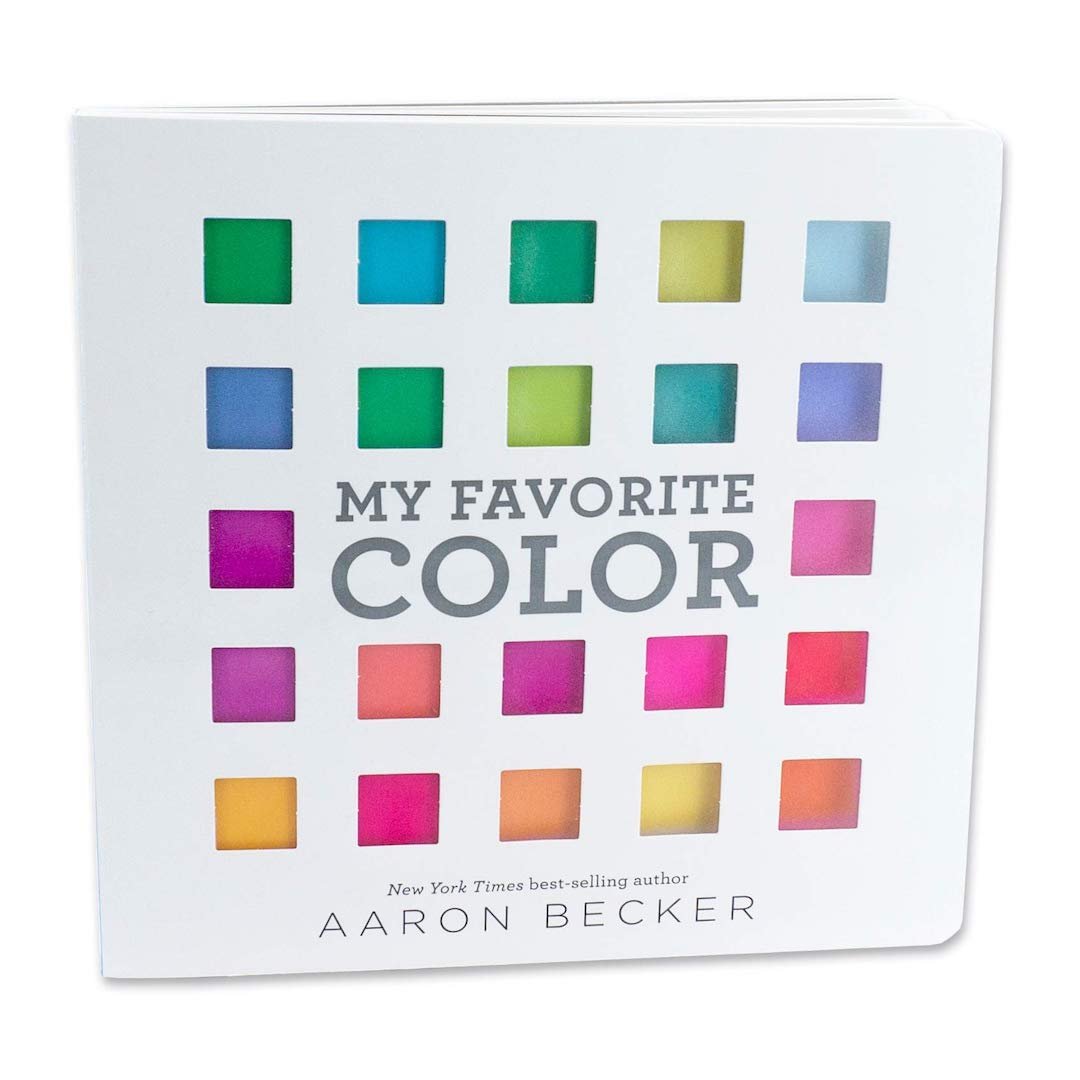
My Favorite Color by Aarom Becker

Becker is a Caldecott winner, so you already know this book is going to be gorgeous. Kids change their favorite color all the time, and this book celebrates the glorious spectrum of hues with fun semi-transparent segments.

ABCs of Art by Sabrina Hahn

Imagine a classic children’s ABCs book combined with beautiful classic works of art, and that’s what Hahn has created. From Cezanne to Stubbs, with all the Hokusai and Monet we could wish for our infants and toddlers wedged in between, you’ll love this book as much as your little one.

Picture Books

Ablaze With Color: A Story of Painter Alma Thomas by Jeanne Walker Harvey, illustrated by Loveis Wise

Art and creativity had always been a part of Thomas’ life, but it wasn’t until her 60s that she chose to pursue it as a career. This book covers the racial injustices faced by Thomas and her family, as well as the strange and beautiful journeys our lives take.

Funny Bones: Posada and His Day of the Dead Calaveras by Duncan Tonatiuh

José Guadalupe Posada, the Mexican artist known to many as Lupe, enjoyed using a variety of artistic mediums for a variety of purposes. From lithography to engraving, political cartoons to the Calaveras drawings he became famous for, art was always a part of his life.

Winner of the Robert F. Sibert Medal and a Pura Belpre Honor Book.

Radiant Child: The Story of Young Artist Jean-Michael Basquiat by Javaka Steptoe

Winner of the Caldecott Medal and the Coretta Scott King Award, Steptoe’s biography of Basquiat highlights the idea that art doesn’t need to conform to be beautiful.

Middle Grade

From the Mixed-Up Files of Mrs. Basil E. Frankweiler by E.L. Konigsburg

Claudia talks her brother into running away with her, and they end up secretly living in the Metropolitan Museum of Art in New York City. The two then get caught up in solving the mystery of a statue, and eventually realize they’re better off facing their problems at home.

Many Points of Me by Caroline Gertler

Georgia stumbles upon a drawing made by her father (a famous artist) before he died. She struggles to find meaning in the drawing, which seems to leave her out. Her quest to discover answers leads her, like the characters in our other middle grade recommendation, to the Met.

Nonfiction

Drawing From Memory by Allen Say

Say is another Caldecott winner, and this book is a fascinating autobiography complete with illustrations and photographs. Artists and their passions aren’t always supported, and we are all sometimes met with challenges that seem insurmountable. Say shares his journey, and how he managed to stay true to his dreams.

Fun and Easy Crafting with Recycled Materials: 60 Cool Projects That Reimagine Paper Rolls, Egg Cartons, Jars and More! by Kimberly McLeod

The title says it all. Some of the projects include toilet paper tube owls, 3-D hot air balloons, scrap paper trees, pirate hats, and a castle.

A World of Animals: Learn to Draw More Than 175 Animals From the Seven Continents! by Rimma Zainagova

This book is perfect for animal lovers, geography lovers, and art lovers! Containing interesting factual information about the continents and zoology, there are lots of simple step-by-step drawing instructions that kids will love.

Graphic Novels

Before They Were Artists: Famous Illustrators as Kids by Elizabeth Haidle

A gorgeous anthology of shortened artist biographies, this book explores how artists’ lives during their early years. How is creativity nurtured, and what is it like when an artist is just beginning to discover their passions? Artists include Hayao Miyazaki, Trove Jansson, Maurice Sendak, Yuyi Morales, Wanda Gag, and Jerry Pinkney.

Doodleville by Chad Sell

Drew loves to draw, and somehow her creations actually come to life. This is great, until she draws a monster. She relies on her artistic friends to help her solve this tricky problem.

Young Adult

Making Comics by Lynda Barry

Barry is an associate professor at the University of Wisconsin-Madison, where she teaches students about art and discovery. This book is essentially her curriculum; it encourages students to see drawing as a means of expression and communication, and to stop worrying so much about artistic talent.

Drawing Dragons by Sandra Staple

If your teen loves drawing and fantasy worlds, this is the perfect pick for them. Along with specific instructions for learning to draw a variety of dragons, this book gives some very helpful information about drawing techniques in a general sense.

Little Felted Animals: Create 16 Irresistible Creatures with Simple Needle-Felting Techniques by Marie-Noelle Horvath

Your heart might just melt flipping through these pages. Learn to create a felted polar bear, sheep, dalmatian, and much more with detailed instructions and information about the materials needed to get started.

Mending Matters: Stitch, Patch, and Repair Your Favorite Denim and More by Katrina Rodabaugh

Clothing repair and design meets slow fashion meets artistry. Rodabaugh’s book inspires readers to grab their old torn jeans, some contrasting thread, and make something beautiful.

A Fresh Look at Chores (5 Tips)

Montessori chores

We’re guessing you’ve probably already heard that chores are good for kids. You remember dreading them when you were a child, you’ve likely tried to implement them at home, and may have experienced varying levels of success. You have probably come across those adorable, and actually, incredibly helpful charts that list what’s appropriate for children at different ages.

You may have even experienced (like we have) life being unpredictable and throwing things off course, with your previously established chore routine left completely forgotten.

Consider this article a reminder about the amazing benefits chores can have for kids and their families. Our five tips may even give a little fresh perspective.

1. Consider what is developmentally appropriate

So, maybe you haven’t seen the cute little lists we referenced above? Here’s a great one if so, or even if your child is older and you want to revisit. Keep in mind that every child is different, but this is a pretty good general guide. The idea is not to make your child do everything they are capable of every single day, but it does serve as a helpful guide in knowing what is possible. Lists like these are a good starting point in developing your own routine at home.

It can be truly amazing to consider what our children are actually capable of, but we do want to balance that knowledge with not giving them tasks that are beyond their abilities. If we push independence in a specific area too soon, we are likely to cause frustration and a sense of failure. Focusing on the right tasks will bring success, build feelings of confidence, and set the stage for more challenging tasks in the future.

2. Build a routine

Children thrive on routine. When they know what to expect, everything runs more smoothly. It gives them a sense of safety and predictability, and it makes things so much easier for everyone. Once an expectation is set, there’s rarely a need for nagging.

Routine looks different for every family, and it’s important to find what works for you. Some ideas in case you’re looking for inspiration:

  • Use visual lists as nonverbal reminders. This might be a simple sticky note for older kids, or a picture list for kids who aren’t reading yet.

  • Be super consistent in the beginning. Putting in the work at first isn’t always easy, but it pays off in the long run.

  • Start when your child is young. Kids aren’t as excited to help out when they get older, so establishing routines early is helpful.

  • Allow for time to complete the tasks, considering that it takes children longer to complete them - especially when they’re first learning.

3. Follow their lead

Younger children - meaning up through at least the lower elementary years - actually want to do chores. The key is to pay attention and notice what they’re into. Some really want to do laundry while others love sweeping and mopping. It really doesn’t matter what they’re doing to help; the key is to find ways to integrate children into our regular household tasks. We all have chores we prefer over others, and children are no different. While it’s true we all have to do tasks we don’t enjoy sometimes, there’s nothing wrong with basing your chore system on the tasks your child does like to do.

Many children just want to be by your side. This makes things really simple. If you’re cooking dinner, give them a cucumber to chop. Doing laundry? Hand them a pile of washcloths to fold (even toddlers can help with that!). Vacuuming the car? Make it their job to clean out the back seat area first.

4. It’s okay to help them out

As much as we push for cultivating independence, we can’t expect our kids to do everything all the time. It can be easy to forget that. Perhaps it’s their responsibility to clear the table after dinner, but you know they’ve had a tough day. It’s okay to jump in and do it for them. We need to remember that building good habits and skills is important, but so is modeling what we do for the people we love.

During the elementary years children seem to lose all sense of order and leave a trail of mess in their wake everywhere they go. When you have called them back to pick up for the 27th time in the day and you’re frankly tired of it, it’s okay to just take care of that empty milk carton they’ve left on the counter. You’ve probably made your point, and they probably won’t even remember they ever left it there in the first place. They really are doing their best, and it’s totally fine to help them along the way.

5. Frame chores as a contribution

The chores we give our children should not be a punishment. They shouldn’t even be a set of mundane, hard-to-tolerate tasks enforced upon them. Chores are a way to contribute to the family. We can teach our children about everything that needs to happen to allow a household to run smoothly, and then we make sure they understand that it shouldn’t all fall on the adults.

Our children want to be a part of what we do. They want to help. It feels good to really be a contributing member of the family.

We will leave you with a quote from Dr. Maria Montessori you may find inspiring:

Therefore this work which has built up civilisation and which has transformed the earth is at the very basis of life and is a fundamental part of it. So much so, that it is, as we say, even in the child. Work has existed in the nature of man as an instinct even from birth itself.... The study of society will be held to be a study of the life of the child which shows us in an embryonic stage this profound tendency of humanity and the mechanism by which society is built up.
— Dr. Maria Montessori, 'Child’s Instinct to Work', AMI Communications, 1973, 4, 9

Independence Day, Montessori Summer Vacation-Style

Montessori July 4th

For many people in the United States, July fourth is a time for cookouts and fireworks. We get together with family and friends, enjoy our favorite potato salad, and spend some quality time in our backyards.

As adults, we know there’s a whole lot more to the day than that.

Whether you’re reading this on Independence Day, or sometime after, everything we mention below is still totally relevant and applicable. And even though we are well into summer vacation, we know many of our families never step out of Montessori mode. If that describes you, read on.

Do a deep dive into the holiday’s origins

We often rely on books to help us teach children, and this situation is no exception. A quick trip to your local library will be all you need to find an armload of age-appropriate reading material. The main points you’ll want to cover include:

  • Why did early Americans feel the need to break free from England’s rule?

  • What was the process like to establish the United States?

  • Why do we celebrate on July fourth?

Searching for relevant pictures, articles, and videos online can help enrich kids’ experience, as can visiting historical sites if you happen to live in certain parts of the country.

Consider different perspectives

The establishment of the United States, along with large chunks of its history, aren’t exactly celebratory for some groups of people. Again, it’s helpful to lean on books to share this type of information, and especially books that are written by authors who represent the group they are teaching about.

The land we now refer to as the United States of America was inhabited by many nations of Indigenous people for thousands of years before Europeans arrived. The native perspective is that the land was stolen, and this was followed by centuries of forced relocation and mistreatment.

Another important perspective to consider is that of black Americans. The US economy originally relied heavily on the enslavement of people from Africa, and our nation’s beginnings are rooted in some pretty horrific practices that continue to have rippling effects even today. Most of us are very aware that race is at the forefront of modern American society, and the issues we still need to address have their beginnings in America’s earliest days.

Do young kids need to know every detail about what has happened in our history? Of course not. As always, keep what’s developmentally appropriate in mind. It is important to note that our children are much more aware, and studies show they develop biases much earlier than most adults realize.

Explore independence days in other countries

It would be impossible for us to list each country around the globe that celebrates an independence day; the list is just too long! Take a look at this unofficial compilation if you’re curious.

Here are a few fun highlights:

  • Bastille Day is July 14 and celebrates the beginning of the French Revolution. The French love their parades and fireworks, but they also have a special tradition of opening fire stations for community dance parties.

  • Bolivia begins its two-day celebration with grand parades on August 6.

  • India celebrates its independence from Great Britain on August 15 by flying colorful kites.

  • Who else could we imagine celebrating their independence with surfing races than Australia? Theirs takes place on January 26.

  • Norway celebrates on May 17, and children are front and center. There are children’s parades around the country, as well as special parties in schools.

Help your child develop their own independence

As Montessorians, we believe all humans have the right to freedom and independence, and this includes children. Note that freedom does not mean the right to do whatever you want, whenever you want. In a community, whether it be a family or a global society, our choices should never encroach on the freedoms of others. For adults, this often takes the form of laws or social norms. For children, it’s all about the concept of freedom within limits.

What can you do to help nurture your child’s independence? If you’ve been a Montessori parent for a little while, you may already have a basic sense of where to start. It’s a huge topic, which we could never fully summarize here at the end of this article, so instead we’ll include a few ideas and starting points.

  • Learn as much as you can about child development. Utilize books, articles, and ask questions of people you know. Lean on us at the school as a resource.

  • Practice observing your child. Our tendency is often to jump and help or react. Wait. Notice. Reflect. What does your child really need?

  • Follow the child. We all have preconceived ideas of what our kids need and how they will progress; it’s only natural. The important bit is to be mindful of this fact, and to examine the moments in which you could potentially inject your expectations onto them, and then don’t do it. This is way easier said than done.

  • Give your child choices whenever you can. This might be as simple as offering your toddler two shirts to choose from, or it might be as difficult supporting your adolescent as they reject the college you wish they would attend.

  • Embrace mistakes and failures. This means on the part of you and your child. You’ll both make them, and they’re always opportunities for growth and learning. No one is born knowing everything, and it’s only through our errors that we become more complete human beings.

We hope this article has been fun and informative. Please know that we value you as important members of our community. We are grateful that you care so much about your child’s learning experience. And we wish you all a celebratory holiday with your loved ones.

Summer, Montessori-Style

Summer is a great time to relax a bit, have fun as a family, and enjoy some new experiences. If you’re looking to continue your child’s Montessori experience at home during these warmer months, you have come to the right place. We believe in keeping it simple, but here are some tips you might appreciate!

Take a Deep-Dive Into Personal Interests

Is your child into dinosaurs? Ancient Egypt? Horses? Summer can be the perfect time to help them explore these interests further. The key is to find ways to work their passions into the types of things you were already going to do anyway. A few places to start:

  • Ask your local librarian for help finding both nonfiction and fiction books that would appeal to your child’s interests.

  • Figure out if there are any relevant day trips you could take to get in-person experiences (museums, farms, historical sights, parks, etc.)

  • Find ways to bring your child’s interests into the kitchen. You might find yourself recreating various cultural dishes or baking up some panda-shaped cookies.

  • Turn family movie night into a learning experience with a documentary.

Connect With Each Other

Find ways to reconnect. During the regular school year, life can get busy. Embrace the slower pace of summer and reevaluate how you and your child can spend meaningful time together. This will change as they get older, as will your common interests.

As with all things Montessori, just remember to follow the child.

If you have an infant, toddler, or preschooler, your together time will include lots of cuddles and caretaking. It’s almost easiest at this age, because our youngest children rely so heavily on our presence. (Just remember to take a little time for yourself!)

As your child gets older, continues to develop their independence, and socializes increasingly with their peers, there will naturally be more changes in how you interact with each other. Spending time outdoors together is a favorite for many families, as is creating regular traditions (like the family movie night we mentioned earlier).

Get Outside! (Of Course)

We know you won’t be surprised to hear us encouraging this point! During the school year, kids get outside every day for recess. Now that they’re home more, it’s critical to ensure they’re still getting this time. Combine their needs with the gorgeous weather, and you’ll find endless opportunities.

For the little ones: go to a playground, take a walk in a local park, or just sit out in front of your house. They will delight in watching a bug crawl by, smelling the scent of flowers, and feeling the dirt on their bare feet.

For older children and teens: the possibilities are endless. Keeping their developmental needs in the forefront of your mind will make them much more likely to be enthusiastic. This could include making time outside a social activity with their friends, giving them choices of activities, and making it a regular part of their daily routine.

Read, Read, Read

Kids may take a break from academics in the summer, but reading should never stop. It’s important to find ways to make reading a part of the daily routine, no matter the age of your child. For pre readers, find a time you can sit together each day to read a book together. For older kids, carve out plenty of time for them to read on their own daily. A few tips to keep the reading going:

  • Let your child see you reading for enjoyment. They want to model their behavior after you, and this can be very powerful.

  • Get excited about books. Make sure your child knows they are important to your family.

  • Don’t push emerging readers too hard. Give them access to books, read to them, but recognize that they need to feel good about books.

  • Ask for help when it comes to book-resistant tweens. Some kids seem like they don’t want to read, when in reality they would rather read about their specific interests, or stick to a very specific genre. Let them immerse themselves completely in the types of books they love; they’re getting something important out of them and will evolve eventually.

  • Bring books along for the ride. When you go for outings, keep a few in your bag. You never know when a quiet moment of boredom will arise, and you will be prepared.

Explore Your Community

Feeling connected to your community is good for all of us. Start small and see where your efforts take you.

For young children, their community might be just their neighborhoods. Walks will give them a sense of familiar “landmarks”, neighbors, and neighborhood workers. Recognizing that gorgeous garden down the street or waving to the mail carrier every afternoon are little things that help children recognize they are part of a bigger group of people who live and work together.

As your children get older, you might expand upon their experience. Explore what makes your town special, whether that means checking out historical landmarks, buildings or institutions of importance, enjoying annual festivals, or participating in community events. Service experiences are always a good idea. This could mean joining a town clean-up effort or volunteering with a local organization.

Do you already have fun summer plans in the works? We would love to hear about your Montessori summer, whatever that looks like for your family. Enjoy the time together!

Why Do Families Make the Switch?

There are many different reasons why families choose Montessori for their child. Some enroll when their child is young and stay the course. Others discover it a bit later on. Others, still, leave their Montessori school and end up returning a year or two later.

Why do parents gravitate toward this unique method of education? Here are a few of the main reasons we have seen frequently in recent years.

They’re Wary of High-Stakes Testing

Many educators like to think of the field as a pendulum that swings back and forth over the decades. Sometimes regulations and trends tend toward restrictive measures, while other times everything is more flexible.

Right now in the public sector, the focus is on standardization and testing. The results of high-stakes tests given to students can affect school funding, oversight, and the way teachers are made to educate their students. As for the children, they feel the pressure of these tests, and this often gets in the way of joyful learning.

When we hear about teachers feeling forced to “teach to the test”, it’s not a myth. This might not happen everywhere, but it absolutely happens. Many parents, understandably, want a different experience for their children.

They Value Recess and the Outdoors

With the abovementioned emphasis on standards and pressures of state oversight, certain elements of the school day have fallen to the wayside in some places. It is not uncommon in recent years for a school to discontinue programs in the arts, or to drastically reduce the amount of time dedicated to children’s time outdoors. Many kids have a shocking fifteen minutes of recess time each day.

Research has shown that frequent breaks and adequate access to outdoor green spaces dramatically increases children’s ability to concentrate and engage deeply with their work. Private Montessori schools aren’t typically bound to the same pressures as public schools, so we are able to continue offering our students opportunities we know are best for their development.

They’re Looking for a Different Social Environment

“Social Emotional Learning” has - shockingly - become a negative concept in some areas, with districts outright banning even the mention of this type of work.

To us, learning shouldn’t just be about math and reading. Academics are absolutely important, but so is learning how to be a kind and empathetic human being. Montessori schools are able to take time out of the day to teach in the moment when conflict occurs, as well as include regular, planned lessons that teach children how to care for their emotions and interact with their peers in a healthy manner.

A big part of being successful involves how you interact with others. Our children will grow up to work with people at their jobs, in their communities, and even in their personal relationships. It takes a lot of practice to build the skills needed to handle various relationships in a manner that serves everyone involved.

The elementary years, in particular, can be a tumultuous time for some kids; they gravitate toward their peers, but they don’t always know how to manage conflict. That’s where we come in. We read stories, use role-playing strategies, and teach conflict resolution skills so that our students have all the tools they need to use when something comes up on the playground or in the classroom.

They Want Their Child to Love Learning

School shouldn’t be a necessary evil. It shouldn’t be something children have to endure. It should be a place where adults help children cultivate a deep and passionate joy for learning about the world around them. Children should be encouraged, inspired, and celebrated as they learn at their own pace.

Montessori schools aren’t about forcing children to memorize facts. We want them to feel in awe of the world around them and have the skills to search out information they need or want. We teach the basics in fun ways that kids can’t resist, and we give them a wide variety of science, history, and geographical information. Montessori schools honor the fact that as human beings, we have unique talents and interests, and we make time for each of our students to further explore areas they are drawn to.

The Traditional Classroom Structure Isn’t Working for Their Child

Although many schools are beginning to change, there is still a long way to go. Sitting in rows of desks and listening to a teacher lecture the whole group at a single pace isn’t a model that works for most kids.

Kids need to be able to move around. They need to be able to get help when they’re struggling, and zip ahead when they need more challenges. Education should never be a one-size-fits-all approach, because in reality, one-size fits very few.

In Montessori environments, children are free to sit where they like. This may be at a table, on the floor, by themselves, or with a group of others. Their needs may change from one minute to the next, and that’s perfectly okay.

We believe children - even very young children - should have autonomy over their own bodies and basic needs. If they’re hungry, they should have a snack without having to wait another hour for the scheduled lunch time. If they’re thirsty, they should be able to get themselves a cup and some water. If they need to use the toilet, they shouldn’t need the permission of an adult. We believe there are ways to create structures that allow for children to attend to these basic needs independently and safely. We don’t feel the need to exercise control over these types of things.

Are there other reasons families choose Montessori? Absolutely. These are just a handful of what we hear from parents. If you’re considering Montessori for your child, we encourage you to come to our school and take a look. We would be happy to give you a tour or meet to discuss your situation and answer any questions you may have.

Choosing a path for your child’s education is deeply personal. Know that we are here to support your family.

Montessori vs. Daycare: 5 Key Differences

Many families rely on childcare while their children are still young. Figuring out the best place to drop your little one off every day is a big decision. Parents want to ensure their child spends their days safe, comfortable, and happy, and under the watchful eye of well-trained and competent adults.

Daycare is the obvious choice for many folks…that is, until they become aware of other options.

If you’re reading this article, it’s likely you are one of those parents who is trying to figure out the best possible placement for your child. Allow us to highlight five key differences between a typical daycare center and a Montessori school.

1. An Emphasis on Education

Montessori goes beyond the reaches of a typical daycare facility. While daycares focus on watching and caring for children, Montessori schools do this and more by creating an environment focused on children’s learning.

We believe education starts at birth. Children’s days should be filled with play, as that is how they learn, but we create space for them to play in ways that enrich their development.

We don’t fill our classroom with whatever toys look fun; we carefully prepare an environment with materials that have been developed after careful scientific observation and used for over 100 successful years. These materials are still games and toys from the perspective of the child, but they tend to have much different effects on them from a learning perspective.

2. A Natural Environment

Most daycare environments are filled with bright colors, plastic toys, and maybe even a cartoon character or two.

Montessori environments eschew any type of commercialism or characters. They utilize natural materials like wood, plant fibers, and even glass. Natural tones are favored over bright and loud colors, and soft and natural lighting is evident.

Montessori classrooms intentionally bring the natural world inside, with plants, found objects, and pets. Children are directly involved with the care of living things in the classroom.

Daycares may have bright posters on the wall, whereas Montessori environments favor a minimalist approach and examples of art displayed at the level of the child’s viewpoint.

3. Specially-Trained Guides

The training of a Montessori guide goes far beyond the training of a typical daycare worker. To care for young children, both must meet certain requirements such as first aid training, passing a background check, and some knowledge of working with children.

Montessori guides, however, continue far beyond the basics. Most have college degrees, with many obtaining advanced degrees. They have completed rigorous Montessori credential training, which includes comprehensive instruction on child development, intensive lessons to help them present Montessori materials correctly, work in Montessori philosophy, and so much more.

We encourage you to ask your local daycare facility about their teacher training requirements and compare them to Montessori requirements while you explore your options.

4. The Sense of Community

When your child is enrolled at a Montessori school, it’s so much more than a place to drop them off each morning. The whole family is welcomed as a part of the school community, and special events and traditions work to solidify this sense of community.

Montessori parents are often eager to connect with one another; we all seem to have a sense that a strong community contributes greatly to the wellbeing of our children. It’s helpful to have other parents to ask questions, hear about experiences, and even socialize with.

Montessori schools are also unique in that we welcome parents into the classroom. In fact, we encourage regular observation. The children are used to adults sitting quietly in a corner of the room, so the practice is unobtrusive, and really gives adults a clear picture of the type of work we do. Many parents walk away from observations in awe of the engagement of the children and the depth of the work/play they show.

5. Development of Practical Life Skills

We believe that learning is so much more than academics, which is why Montessori environments intentionally include practical life lessons. Practical life learning is incredibly appealing to young children as well, as they look to adults in their lives and want to emulate the work they see them doing. Some of the types of skills they develop in our environments include:

  • Toilet learning (for infants and toddlers)

  • Food preparation

  • Care of the environment (cleaning skills)

  • Plant and pet care

  • Fastening various types of clothing

  • Tying and lacing

  • Care of self (washing, brushing, etc.)

  • Grace and courtesy lessons: interacting appropriately and politely with others

We hope this article has been helpful and informative. To learn more, we encourage you to visit various types of settings in person and ask to observe in the different classrooms. Not only will you notice stark differences, we think you’ll find yourself impressed with the scope of skills covered in a Montessori class (as well as the absolute joy of the children who you see there).

Please reach out to us if you have any questions or would like to schedule a visit. We would love to meet you and your child.