Academics

Junior High Summer Work—Chickens and Fences?

Junior High Summer Work—Chickens and Fences?

Long before the first day of school, the Junior High (which we call the Adolescent Program—AP) campus at Hollis Montessori was already buzzing with energy. Over several days this summer, AP students, guides, and families came together for hands-on work that keeps our small community thriving. They repaired the chicken tractor, weeded and tended the garden, began building a protective fence around the beds, and organized tools and supplies in the shed.

At first glance, it might look like simple manual labor. But in Montessori education — and especially in the Adolescent Program — there’s always more happening beneath the surface…
Learning Support in the Classroom

Learning Support in the Classroom

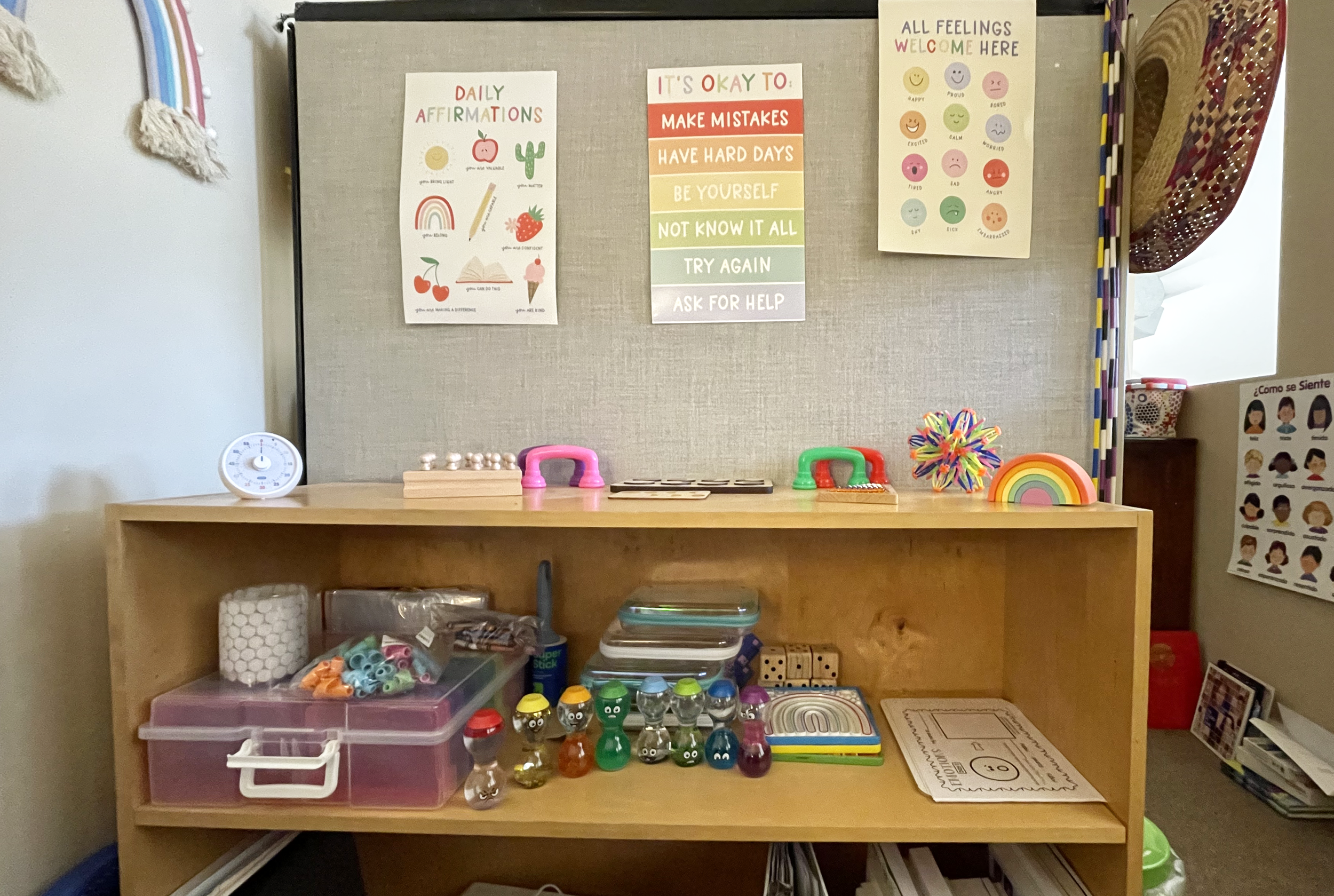
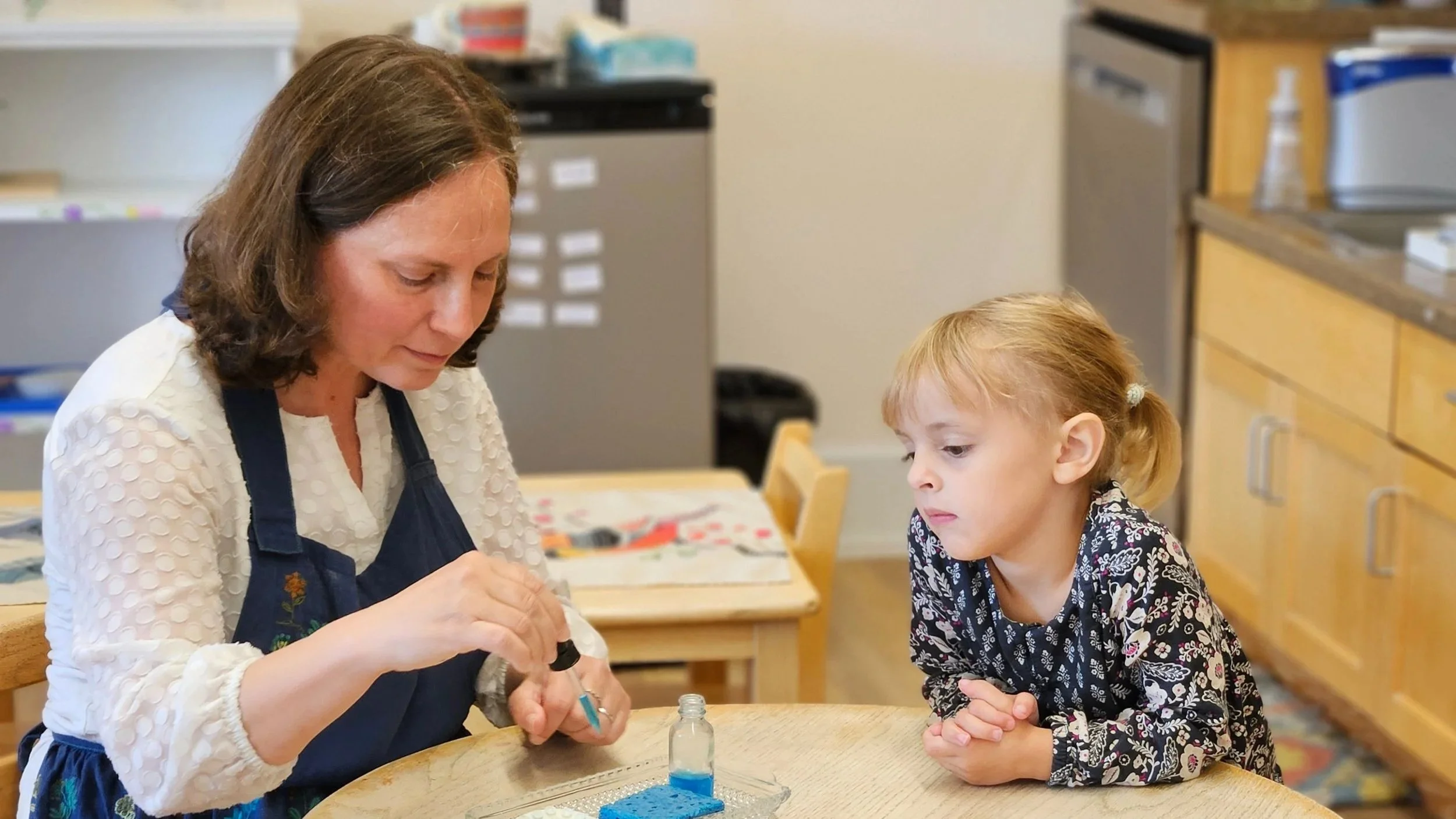
At Hollis Montessori, our goal is to provide an environment where all students can succeed academically, socially, and emotionally. We believe every child deserves to thrive at their own pace and in their own way. As our community has grown, so have the diverse learning needs of our students. This year, we are very pleased to have hired Nicole DeRosa in the newly created position of Learning Support Specialist.

Nicole supports both students and teachers in creating an inclusive, responsive learning environment, and ensures that each child receives the individualized attention and strategies they need to reach their fullest potential. We interviewed Nicole about the path of her career and how she came to Hollis Montessori School.

New Research on the Impact of Montessori Preschool

New Research on the Impact of Montessori Preschool

A new study by Angeline Lillard, one of the foremost education scholars studying Montessori education, has found that attending a Montessori pre-school has measurably positive impacts by the end of Kindergarten. The study, A national randomized controlled trial of the impact of public Montessori preschool at the end of kindergarten, found that students who attended Montessori preschools “had significantly better end-of-kindergarten outcomes for reading, short-term memory, executive function, and social understanding.” Interestingly, while there was no significant difference between the groups at the end of the 3 year old or 4 year old years, the significant differences appeared by the end of kindergarten. 

Where Are They Now Part 3: Elena Longan

Where Are They Now Part 3: Elena Longan

Over several Observer issues, we have been featuring stories about our Alumni in our “Where Are They Now” series. In Part Three, we talked to Elena Longan, who is pursuing an AMI 3-6 diploma (Children’s House) in Portugal. Elena feels that her Montessori background has completely influenced her current life in the most positive of ways.

What is AMI?

What is AMI?

In conjunction with our article about alumna Vanessa Longan training to be an AMI Guide (Association Montessori Internationale), we thought it would be helpful to explain what AMI is, and how our school came to embrace it. Our founders were seeking a method of Montessori education that was truly authentic, and when they came across an AMI affiliated school they realized they had found what they were looking for.

Learning Responsibility in Elementary Classrooms

Learning Responsibility in Elementary Classrooms

Elementary-aged children need a feeling of responsibility, and the need to be active contributors to their community; whether that community  is their family, a group of children they are working with at school, all of the people in their classroom, another group like Scouts or a sports team, or even humanity as a whole. Learning how to care for their environment is one way that Elementary children practice responsibility to themselves and others.

So Much Science!

So Much Science!

If you have been on campus at Hollis Montessori School at the end of the day lately, you may have noticed Adolescent Program (AP) students and guides hiking up from the pond looking wet, tired, and happy. They have been studying Dunklee Pond in the Hollis Town Forest. This fall they are doing a water quality assessment of Dunklee Pond to submit to the NH Department of Environmental Services. The Adolescent Community has taken on a water quality study every few years so they have now begun to accumulate long term data and can begin to look at the trends.

Civics in the Real World

Civics in the Real World

New Hampshire is an amazing place to study civics! Although they aren't yet of voting age, the students of Hollis Montessori’s Adolescent Program (AP) got to experience being active participants in the democratic process this winter. The theme of their studies this term has been governance, and this was a great year to work on that topic. In addition to lessons on the structure of government, the rise of governance (going back to early humans, how laws are made, and political media, they got to visit presidential candidates, the State House, a Courthouse, and attended a convention and debate.